Last updated October 30, 2026
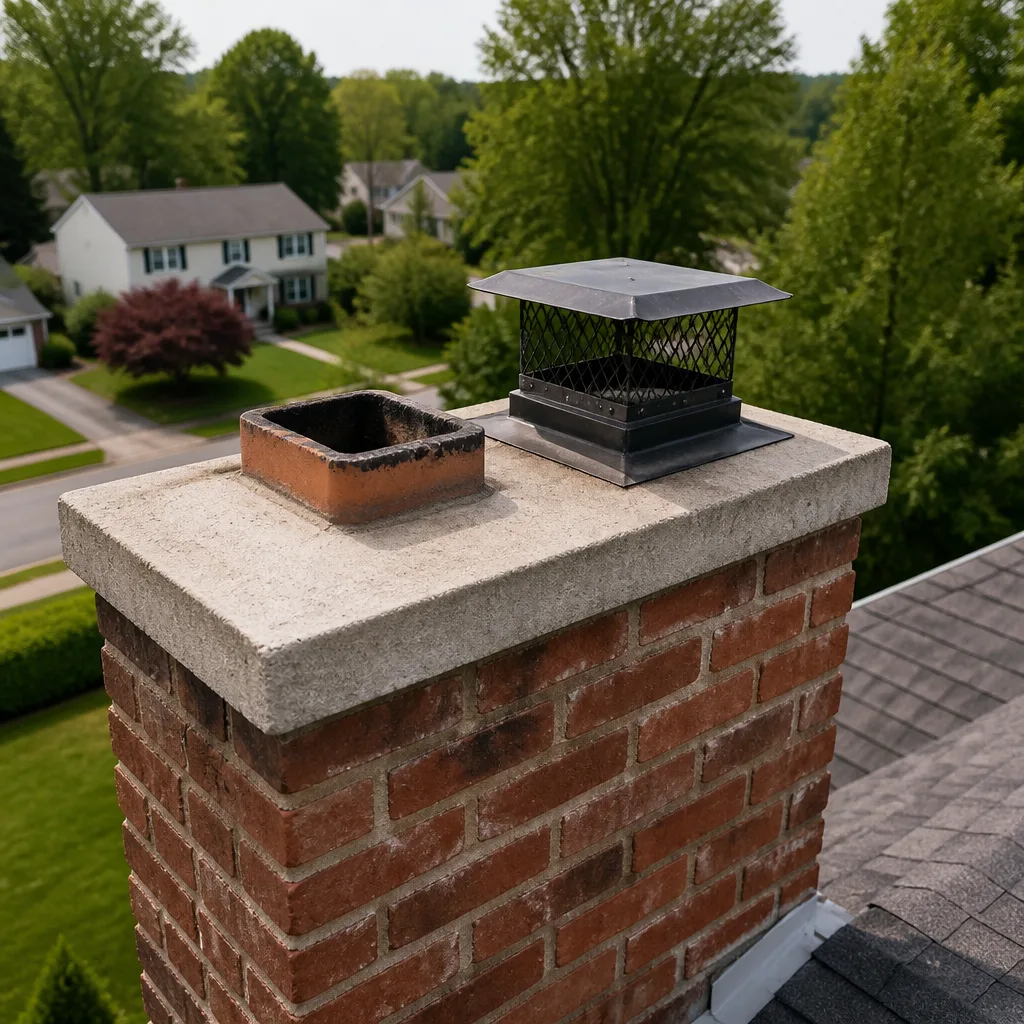 Sweep & inspection
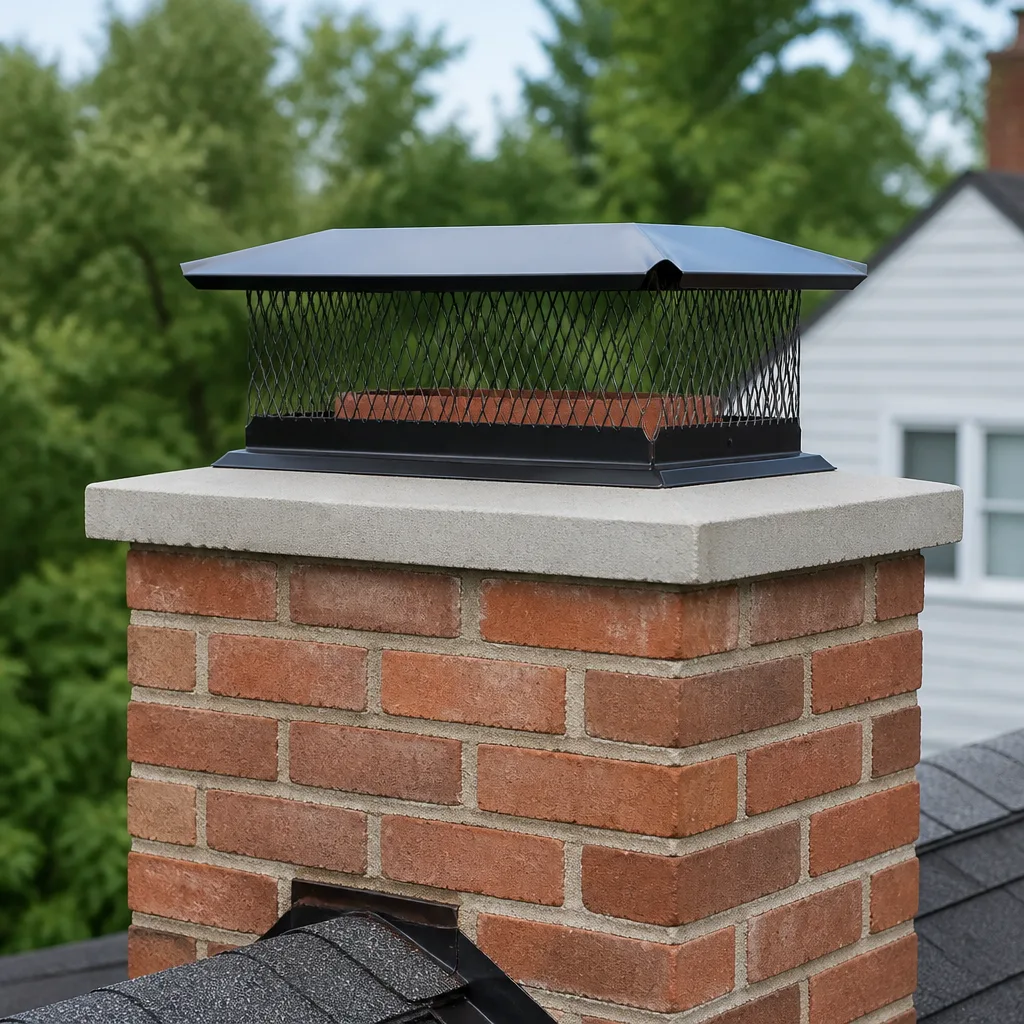 Caps & crowns
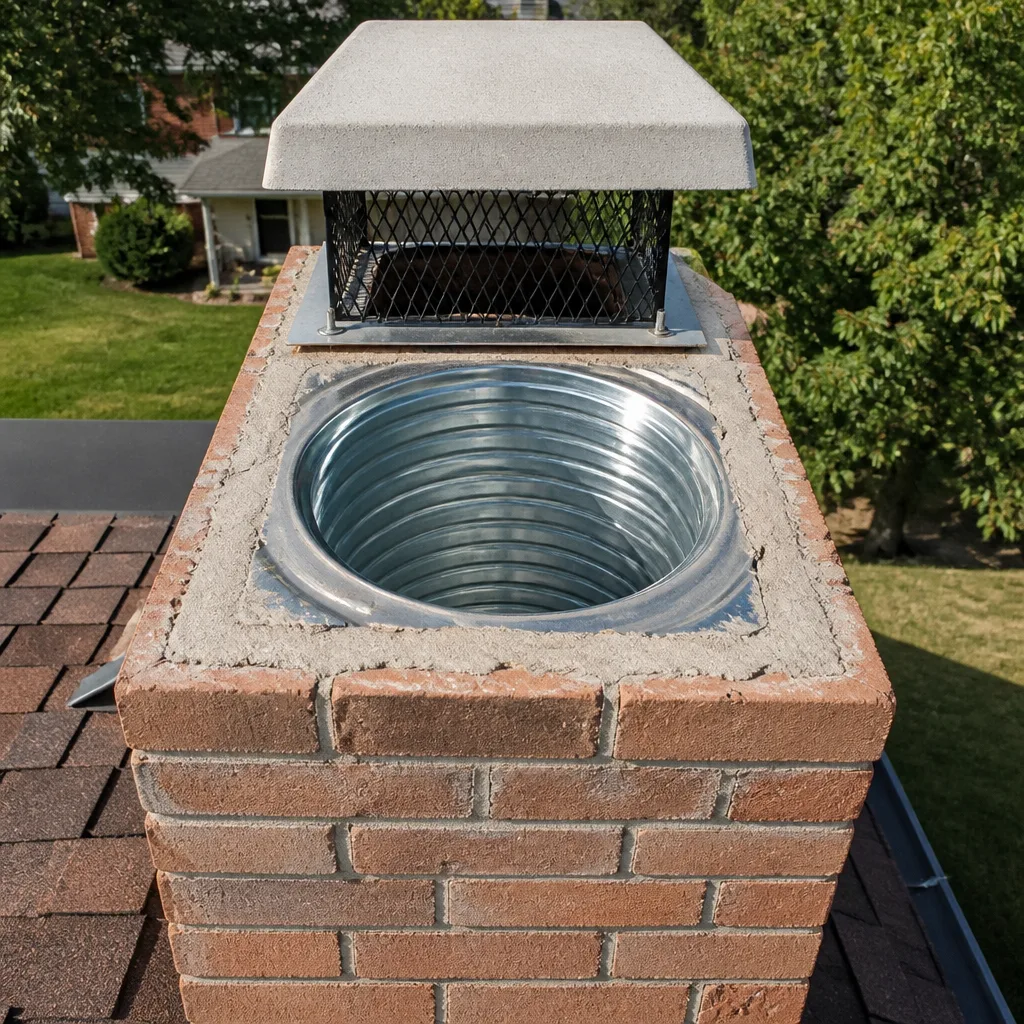 Flue relining
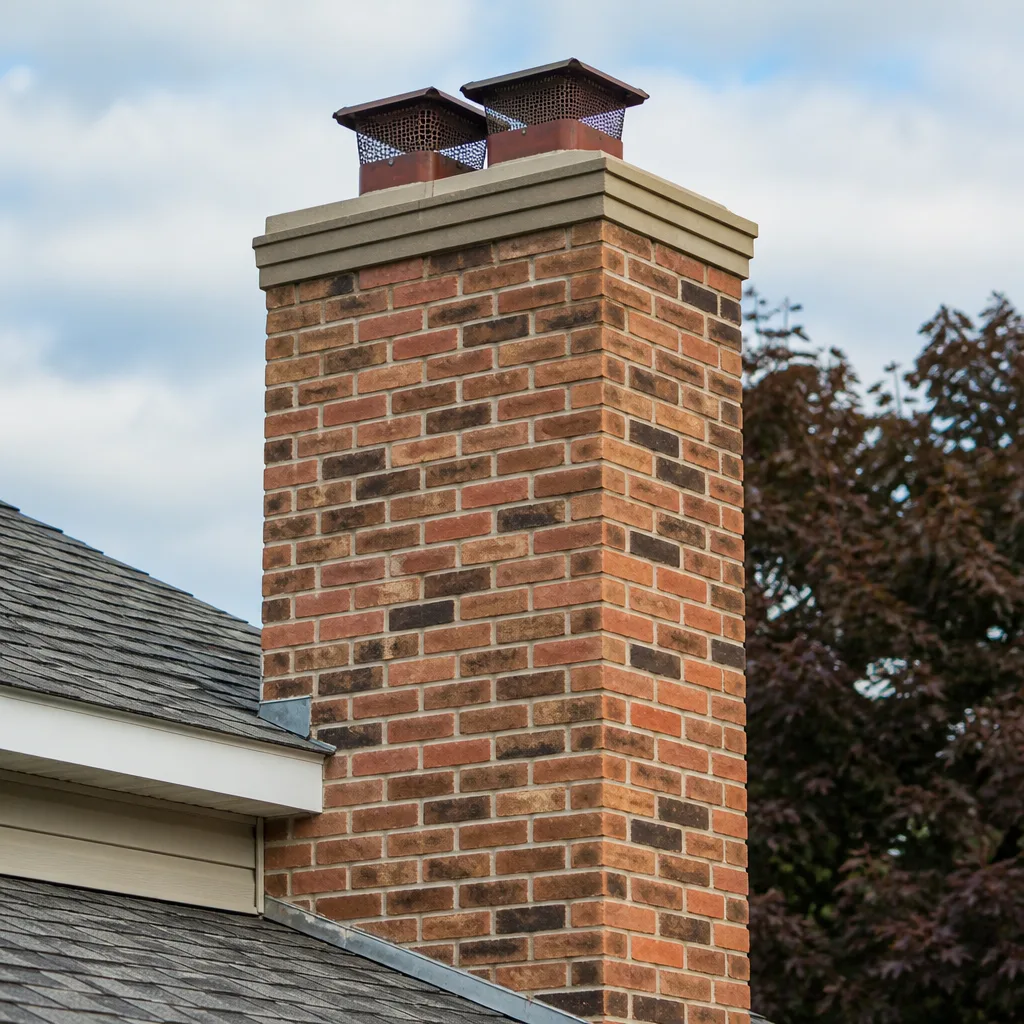 Masonry repair
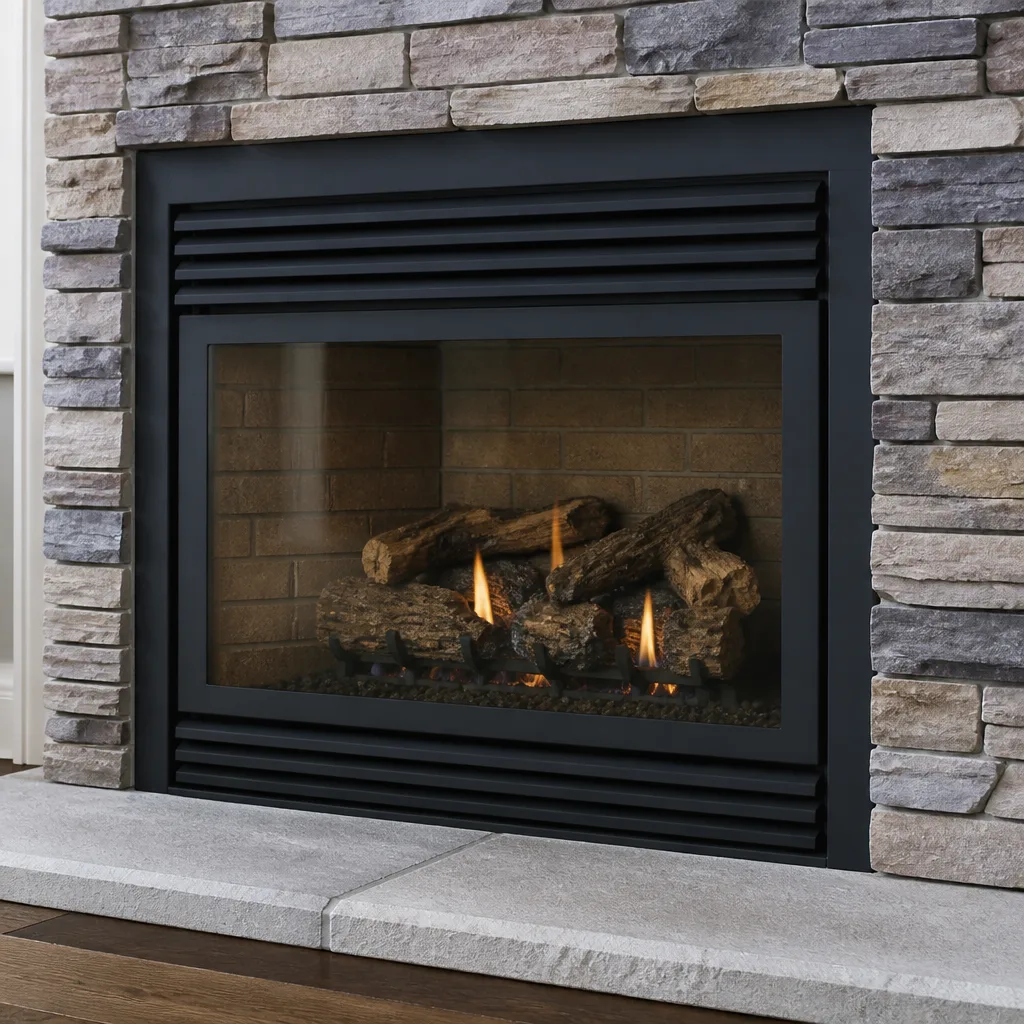 Gas fireplace service
Level 1 sweep and inspection to the NFPA 211 annual standard - flue, crown, cap, and flashing checked and photographed
Chimney sweep logs do not sweep chimneys. They loosen some creosote - which then falls where a brush and vacuum still have to collect it.
The Complete Chimney Sweep Guide for Bolingbrook Homeowners
Most homeowners in Bolingbrook can’t tell the difference between a Level 1 inspection and a Level 2, and unfortunately, some chimney sweeps count on that. A sweep that takes twenty minutes and leaves a clean firebox tells you almost nothing about what’s happening inside the flue where fires actually start. This guide walks you through every step of our Chimney Sweep services, what your Bolingbrook home’s construction era means for what should be checked, and how to evaluate whether you actually received a real service or just a courtesy visit with a brush.
Styles & brands we work with
Quick Answer
A proper chimney sweep in Bolingbrook involves three distinct phases: a documented inspection, mechanical creosote removal matched to the stage of buildup present, and a post-sweep report with photos of the flue interior. For a deeper dive, see The Complete Guide to Chimney Cleaning in Bolingbrook. Most homes in Bolingbrook built before 2000 have clay tile liners, which changes what a sweep should include compared to newer stainless systems. Expect to pay $189 to $329 for a standard sweep and Level 1 inspection, with the final number depending on creosote stage, roof access, and whether a rotary cleaning is required.
Table of Contents
- What a Chimney Sweep Actually Is (And What It Isn’t)
- The Three Creosote Stages and Why They Change the Job
- How Bolingbrook’s Clay Tile Liners Change What a Sweep Should Include
- What a Post-Sweep Inspection Should Document
- Why Gas Fireplace Owners Still Need Annual Sweeps
- NFPA 211: The Standard You Can Cite to Any Sweep Company
- What a Chimney Sweep Should Cost in Bolingbrook
- Common Mistakes to Avoid
- When to Call a Professional
- Frequently Asked Questions
- The Bottom Line
What a Chimney Sweep Actually Is (And What It Isn’t)
A chimney sweep is the mechanical removal of creosote, soot, and debris from the interior walls of your flue, followed by an inspection of the entire venting system from firebox to chimney cap. That’s the technical definition. The practical definition matters more: a sweep is your annual opportunity to have a trained professional evaluate whether your chimney can safely carry combustion gases out of your home for another heating season. In Bolingbrook, where heating season can stretch from October through April, that evaluation isn’t optional. It’s the single most important maintenance task for any home with a fireplace, wood stove, or gas insert.
The “isn’t” part matters too. A chimney sweep is not a quick brush-through. It’s not a visual glance up the flue from the hearth. And it’s not something that can be done properly in fifteen minutes by someone who’s also cleaning gutters that afternoon. A sweep that doesn’t include a documented inspection tells you nothing about the condition of your liner, the stability of your mortar joints, or whether your chimney cap is actually preventing rain and animal entry. Those are the things that determine whether your chimney is safe, not how shiny the firebox looks afterward.
Here’s what a complete sweep includes, step by step:
- Setup and protection: Drop cloths around the hearth, sealing the fireplace opening to contain dust, and establishing roof access if needed.
- Initial visual assessment: Checking the firebox, damper, smoke shelf, and visible flue for obvious damage, obstruction, or excessive buildup before any cleaning begins.
- Mechanical creosote removal: Using brushes, rods, and rotary tools matched to the stage of creosote present (more on this below).
- Debris removal: Clearing the smoke shelf and firebox of what the cleaning dislodged.
- Inspection: A Level 1 inspection per NFPA 211 standards, which includes examining the readily accessible portions of the chimney interior and exterior.
- Documentation: Written findings and, ideally, photos showing the flue condition. If a sweep offers no photos, ask why. A camera inspection takes minutes and removes all doubt about what was found.
This is what we mean when we say a chimney should be diagnosed, not just cleaned. The cleaning itself is mechanical work. The diagnosis is what keeps your family safe. A sweep from Summit Peak Chimney Sweep home includes both, because one without the other leaves you guessing.
The Three Creosote Stages and Why They Change the Job
Creosote is the condensed residue from wood smoke: tar, carbon particles, and moisture that solidify on your flue walls as the smoke cools on its way up. Every wood fire produces some creosote. The question is never whether it’s there; it’s what stage it’s in, because each stage requires a different removal method. A sweep company that uses the same brush on every job is either unaware of the distinction or hoping you are.
Stage 1: Flaky, dusty soot that brushes off easily. This is what forms during hot, efficient fires with well-seasoned hardwood. A standard wire brush on flexible rods typically removes Stage 1 creosote without difficulty. It’s the least concerning stage, but it still needs to come out, because it doesn’t stay Stage 1 forever.
Stage 2: Crunchy, granular tar flakes that look like black cornflakes stuck to the flue walls. This forms during cooler fires or from burning wood that isn’t fully seasoned. Stage 2 creosote will not come off completely with a standard brush. It requires more aggressive mechanical action: a rotary cleaning head with chains or whip attachments that physically breaks the deposits loose. In our experience cleaning Bolingbrook chimneys, Stage 2 is what we find most often in fireplaces that get used regularly but not hot enough.
Stage 3: Glazed, hardened tar that has baked onto the flue surface until it resembles black glass. This is the dangerous stage. Stage 3 creosote is highly concentrated fuel, it’s extremely difficult to remove, and it can drop flaming chunks if ignited. It requires rotary tools, often with chemical treatment first to break down the glaze before mechanical removal can work. In severe cases, a liner evaluation is necessary to determine whether the flue can even be restored safely.
Here’s the practical takeaway for Bolingbrook homeowners: the stage of creosote in your chimney determines both the effort required and the risk present. A sweep that quotes a flat price without asking when you last swept, what you burn, and how often you use the fireplace isn’t doing the diagnostic work. The stage dictates the tool, and the tool dictates the labor. If a sweep company can’t articulate the difference between Stage 2 and Stage 3 creosote, they’re not equipped to handle what’s in your flue.
How Bolingbrook’s Clay Tile Liners Change What a Sweep Should Include
Bolingbrook’s housing stock tells a specific story. Large subdivisions built in the 1970s through the 1990s, many of which feature masonry chimneys with clay tile liners. Clay tiles were the standard for decades, and they’re perfectly serviceable when in good condition. But they age differently than stainless steel, and a sweep needs to account for that difference.
Clay tile liners are vulnerable to a specific failure mode: spalling. This is when the tile surface begins to flake, crack, or delaminate due to thermal stress and moisture. A clay liner experiences hundreds of heating and cooling cycles each season in Bolingbrook, where winter temperatures swing from below zero to above freezing regularly. Add the freeze-thaw cycle of moisture absorbed into the masonry, and you get exactly the conditions that cause spalling.
What this means for a sweep: when we’re cleaning a chimney with a clay tile liner, we’re not just clearing creosote. We’re looking for the early signs of tile damage, because cracked or spalled tiles create gaps where creosote accumulates and where heat can reach combustible materials. A sweep on a clay-lined chimney should include checking for:
- Spalled or missing tile faces visible during the post-clean inspection
- Mortar joint erosion between tiles, which creates ledges where creosote builds
- Liner offsets (tiles shifted out of alignment), especially common in older Bolingbrook construction
- Evidence of water entry, which accelerates tile deterioration every freeze-thaw cycle
If significant liner damage is found, there are options short of a full demolition and rebuild. HeatShield is a cerfractory sealant system that can restore structural integrity to a damaged flue without removing the original tiles. We stock HeatShield materials because liner restoration is a better answer than an automatic full-replacement upsell for many Bolingbrook homes. Chimney Repair in Naperville covers similar restoration territory for our neighboring communities.
The point is this: a pre-2000 Bolingbrook home needs a sweep who understands clay liner aging, not a technician who treats every flue as a generic tube. The material of your liner changes what “clean” means and what “safe” requires.
What a Post-Sweep Inspection Should Document
After the brushes and rods are out of the flue, the most important part of the service begins: the inspection. This is where a sweep earns the title of specialist, and it’s where many low-bid operators do the least work. A proper post-sweep inspection should answer one question with total clarity: is this chimney safe to operate as-is?
Here’s what should be documented every single time:
- Flue wall condition: Is the creosote fully removed? Are there cracks, gaps, or spalled tiles visible now that the walls are clean?
- Mortar joint integrity: Are the joints between liner sections intact? Missing mortar creates ledges and heat paths.
- Liner alignment: Are tile sections still in alignment, or has the liner shifted? Offsets can indicate structural movement.
- Chimney cap presence and condition: A missing or damaged cap is an open invitation for rain, which accelerates liner damage, and animals, which can block the flue entirely.
- Damper function: Does the damper open fully and seat properly when closed? A bad damper seal lets heated air escape all winter.
- Firebox condition: Cracked firebrick or deteriorated mortar in the firebox is a direct path for heat to reach combustible framing.
Photos matter here, because they remove ambiguity. A sweep company that does not provide photographic evidence of the flue interior after cleaning is asking you to trust a verbal description of something you cannot see. Camera inspection equipment is standard in professional chimney work now. There’s no technical reason a sweep can’t show you exactly what they found. At Summit Peak, we photograph the flue after every sweep and walk homeowners through what the images show. You should expect the same from any company you hire in Bolingbrook.
Why Gas Fireplace Owners Still Need Annual Sweeps
There’s a persistent belief that gas fireplaces and gas inserts don’t need chimney sweeps because there’s no wood, therefore no creosote, therefore no problem. The absence of creosote is true, but the “no problem” conclusion is wrong. Gas flues have their own failure points, and they’re not visible from the living room.
Gas combustion produces water vapor. A lot of it. That moisture condenses on the flue walls and mixes with the combustion byproducts to form acidic residue. Over time, that acid attacks the liner. In a masonry chimney with a clay tile liner, the result is accelerated spalling and tile deterioration. In a metal liner, the result is corrosion and pinholes. Add the freeze-thaw cycles of a Bolingbrook winter, and gas flue damage compounds quickly.
What should a gas fireplace sweep include?
- Verification of the flue size and condition relative to the gas appliance (gas units have different venting requirements than wood fireplaces)
- Inspection of the gas log set and burner for proper flame pattern
- Checking the termination cap for blockages from debris, nests, or ice
- Inspection for corrosion in metal liners or acidic deterioration in clay liners
- Confirming that the venting system is the correct configuration for the specific gas appliance
An annual gas fireplace service is less about cleaning and more about inspection, but that doesn’t make it optional. The same acidic condensation that damages liners can also compromise the structural connections that hold the venting system in place. A gas insert that was installed in a Bolingbrook home twenty years ago may look fine while the unseen portions of its flue are quietly failing. An annual check catches that progression before it becomes a replacement.
NFPA 211: The Standard You Can Cite to Any Sweep Company
If you remember one thing from this guide other than “sweep your chimney annually,” make it this: NFPA 211 is the governing standard for chimney and venting system inspection in the United States. The National Fire Protection Association publishes this standard, and it defines exactly what a chimney inspection must include. Bolingbrook homeowners can use it as a benchmark to evaluate any sweep company’s claims.
The standard defines three levels of inspection:
Level 1: The inspection that accompanies every routine sweep. It examines the accessible portions of the chimney, including the interior flue, the exterior structure, and the appliance connections. Level 1 is appropriate when the chimney is being serviced regularly and no changes have been made to the system.
Level 2: A more involved inspection that includes everything in Level 1 plus access to attics, crawl spaces, and basements to inspect the concealed portions of the chimney. Level 2 is required whenever there’s a change to the venting system (new appliance, reline, rebuild), a change in fuel type, a chimney fire, or a real estate transaction. If you’re buying a home in Bolingbrook, NFPA 211 says you need a Level 2 inspection before close, not a standard sweep.
Level 3: An invasive inspection that involves removing portions of the chimney or building structure to inspect hidden areas. Level 3 is reserved for cases where a Level 1 or Level 2 inspection reveals a hazard that requires deeper investigation.
The practical application: when you call a sweep company in Bolingbrook, ask them what level of inspection they perform with a standard sweep. If they say “we just clean it,” that’s a red flag. NFPA 211 says a standard sweep includes a Level 1 inspection. It’s not optional, and it’s not an upsell. It’s the baseline.
What a Chimney Sweep Should Cost in Bolingbrook
Chimney sweep pricing in Bolingbrook varies based on creosote stage, liner type, roof access, and inspection depth. Here’s what to expect in the current DuPage and Will County market:
Standard Sweep with Level 1 Inspection
- Basic sweep, Stage 1 creosote, easy roof access: $189 to $249
- Sweep with Stage 2 creosote requiring rotary cleaning: $269 to $349
- Sweep with Stage 3 glazed creosote requiring chemical treatment plus rotary removal: $389 to $549
- Gas fireplace inspection and service (no creosote, inspection-focused): $149 to $229
Add-Ons Common to Bolingbrook Chimneys
- Chimney cap replacement (varies by size and material): $95 to $295 installed
- Damper repair or replacement: $150 to $400 depending on type
- Camera inspection (if not included in sweep): $75 to $150 when separately itemized
- Level 2 inspection (without sweep): $249 to $449 depending on access requirements
These ranges reflect the Bolingbrook market where chimney access is typically straightforward but where older construction means liner condition is often a finding. The final quote should always be flat-price agreed before work begins, not an hourly rate that lets the clock run. Any company that won’t give you a firm price before starting is not one you want on your roof.
We carry professional-grade materials from brands like DuraFlex and Copperfield because repair work done right requires components that match the venting system, not hardware-store substitutes. Chimney Sweep in Naperville follows the same flat-price approach across our service area.
Common Mistakes to Avoid
- Hiring the lowest bidder without asking what’s included. A $99 sweep that skips the inspection or uses inadequate tools for Stage 2 creosote costs more than a proper sweep, because it leaves the hazard in place while creating the impression that the chimney is safe.
- Burning unseasoned wood from local Bolingbrook suppliers without verification. Green wood produces cool, smoky fires that accelerate creosote formation. Seasoned hardwood should be below 20% moisture content. If the wood hisses when it burns, it’s still wet.
- Skipping the annual sweep because “we barely use the fireplace.” Infrequent use doesn’t prevent creosote accumulation in a wood chimney, and it doesn’t stop acidic condensation damage in gas flues. Both systems degrade with time and weather, not just with use.
- Treating the chimney cap as optional. A missing cap means rain, ice, and animals entering the flue year-round. In Bolingbrook’s freeze-thaw climate, that water accelerates liner damage through every winter cycle.
- Accepting a verbal “all good” without photos. If the sweep can’t show you the flue interior, they haven’t proven the flue interior is clean. Camera documentation is standard professional practice now.
- Delaying repairs because the sweep didn’t explain them clearly. A flue liner crack that goes unrepaired will never fix itself, and the repair only gets more expensive as moisture continues to work into the masonry. Ask for photos and a plain-language explanation of what the images show.
- Using the fireplace despite a known blockage or liner damage. This is the one that turns a maintenance item into a house fire. If a sweep flags a condition that makes the chimney unsafe, the correct response is to repair it before the next fire, not to risk one more season.
When to Call a Professional
Call a chimney professional if you haven’t had a sweep in more than twelve months and you use the fireplace or gas insert at all. Call if you notice a smoky smell in the house when the fireplace is lit, if you see black flakes falling into the firebox, or if you hear animals in the flue (yes, it happens in Bolingbrook more often than you’d think). Call if your real estate transaction requires a Level 2 inspection. Call if you had a chimney fire, even a small one, because the structural damage isn’t visible from the hearth. And call if your last sweep left you with no photos, no written findings, and no explanation of what was actually done. Summit Peak Chimney Sweep offers free estimates in Bolingbrook. Call (855) 382-3714 to schedule.
Frequently Asked Questions
A standard chimney sweep with Level 1 inspection in Bolingbrook typically costs $189 to $329, with the price influenced by creosote stage, liner type, and roof access. Dryer Vent Cleaning in Naperville shows our pricing approach applies across services: flat quotes given before work starts, never hourly billing. Call (855) 382-3714 for an exact quote for your chimney.
Not necessarily. Cracked or spalled clay tiles can sometimes be restored using HeatShield cerfractory sealant, which rebuilds the flue surface without removing the original liner. If the damage is too extensive for restoration, a DuraFlex flexible liner system can reline the chimney without demolition. Get a camera inspection and ask specifically whether restoration is an option before accepting a replacement quote.
NFPA 211 says chimneys should be inspected at least annually and cleaned when creosote accumulation reaches 1/8 inch or more. For most Bolingbrook homeowners who burn throughout heating season, that means an annual sweep is the practical standard. Gas fireplaces need annual inspection too, even though they produce no creosote.
Creosote continues to accumulate until it reaches a stage where a chimney fire becomes possible. Chimney fires can reach temperatures above 2,000°F, which will crack clay tiles, warp metal liners, and can spread to the house structure. Skipping a sweep doesn’t postpone maintenance; it postpones the moment you discover what’s already wrong.
You can buy chimney brushes at hardware stores, but equipment and reaching the problem are different things. A proper sweep requires roof access or top-down tools, professional-grade brushes or rotary equipment, and the expertise to interpret what’s found after cleaning. Most importantly, cleaning without inspecting means you still don’t know whether the chimney is safe to use. The dangerous part of a chimney is where you can’t push a brush from below.
Gas combustion produces acidic condensation that corrodes metal liners and damages clay tiles over time. The damage compounds each season and is invisible without a camera inspection. An annual gas fireplace service checks for liner corrosion, cap blockages, and proper venting configuration, all of which affect whether carbon monoxide exits your home safely. Call (855) 382-3714 to schedule a gas fireplace inspection in Bolingbrook.
The Bottom Line
A chimney sweep in Bolingbrook is a diagnostic service, not a cosmetic one. Explore more guides & resources to keep your system safe year-round. The creosote stages present in your flue determine the tools and effort required, and the post-sweep inspection determines whether your chimney can safely operate for another season. If you own a pre-2000 home with a clay tile liner, your sweep needs to include a careful assessment of spalling and liner integrity, not just a brush-through. If you own a gas fireplace, annual inspection is still required, because gas flues fail through corrosion rather than creosote. Insist on camera documentation, flat-price quotes, and a sweep who can explain what they found in plain language. That’s what a specialist provides, and that’s what your home in Bolingbrook deserves.
Written by the team at Summit Peak Chimney Sweep, serving Bolingbrook since 2018.
See the difference
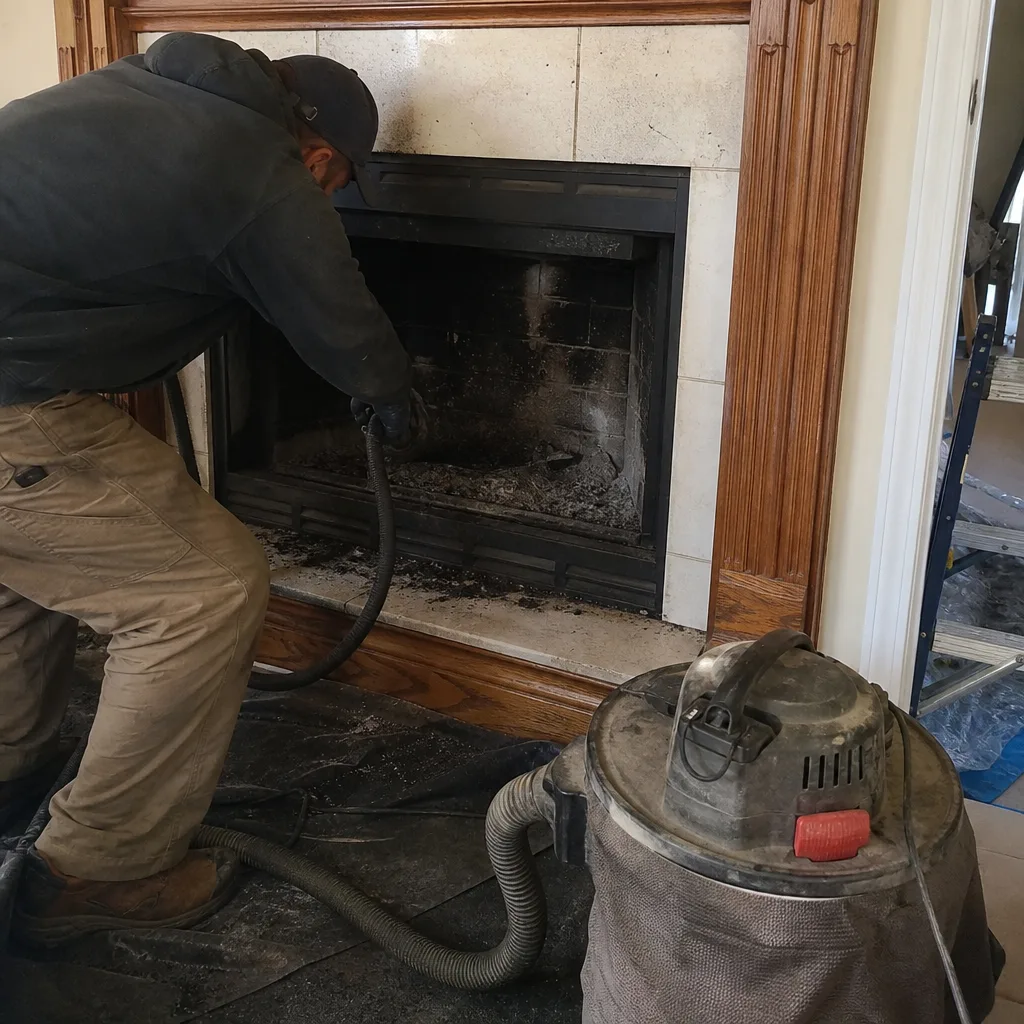 Before
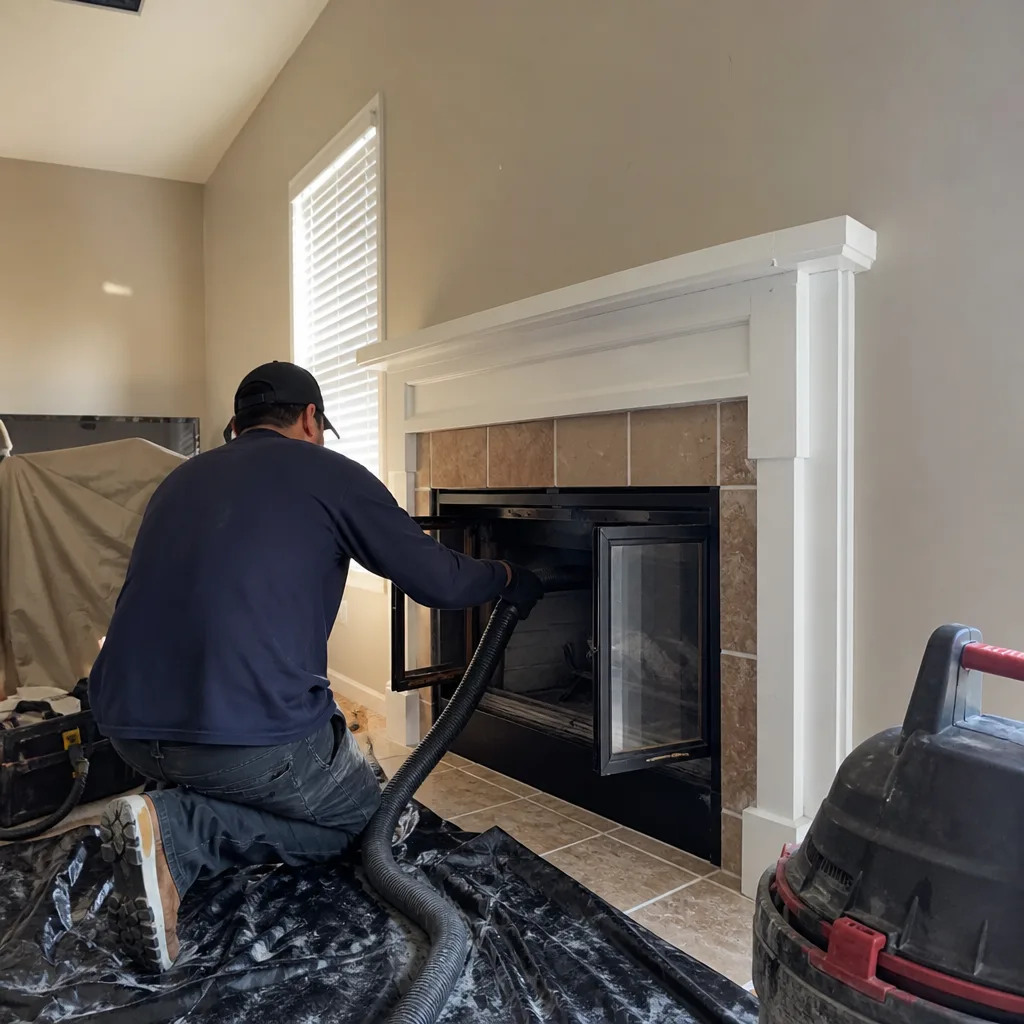 After
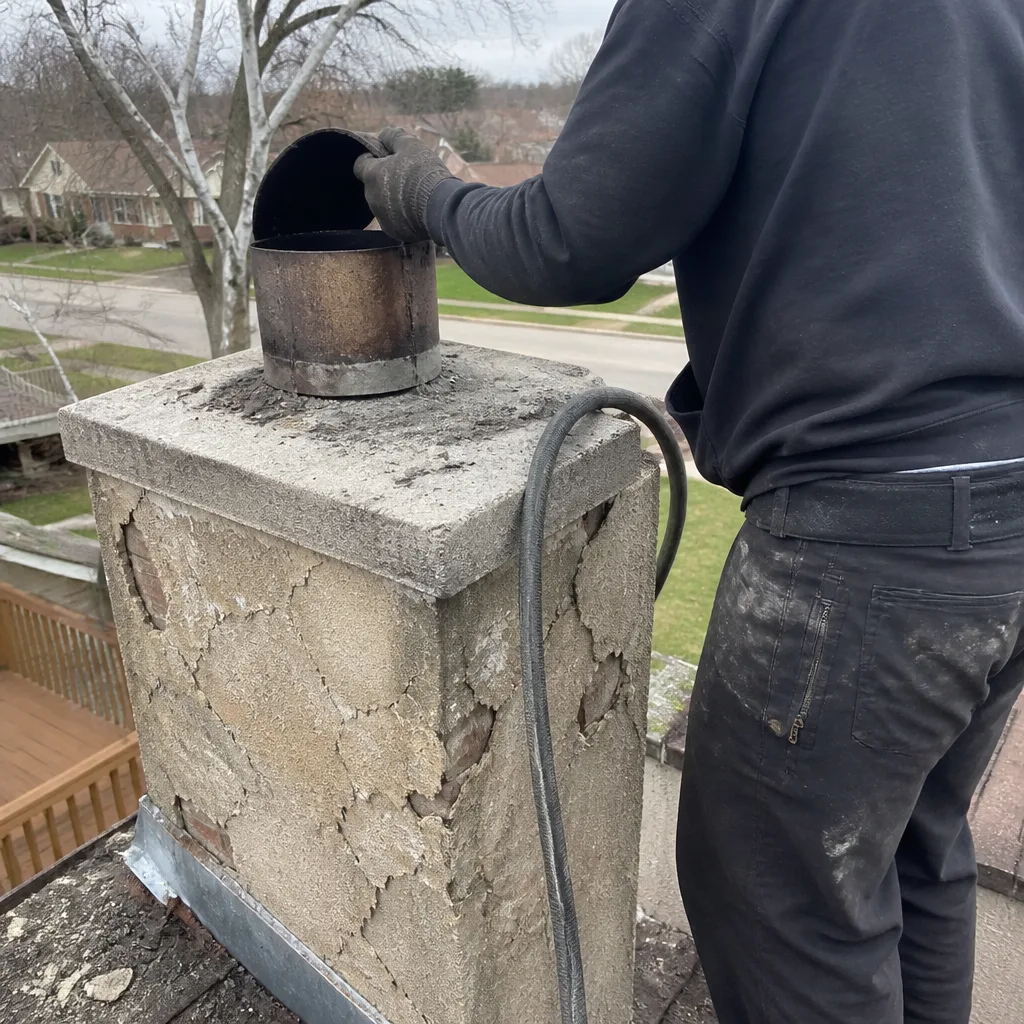 Before
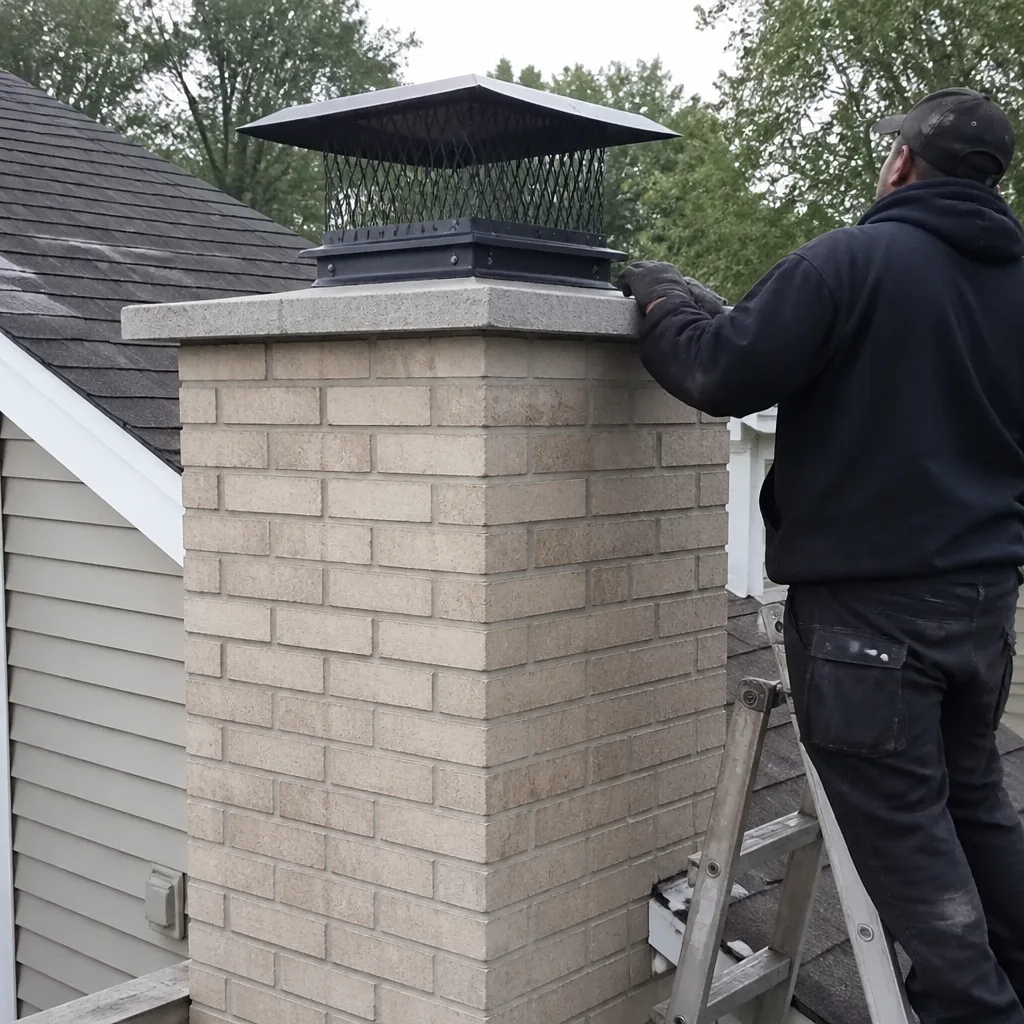 After
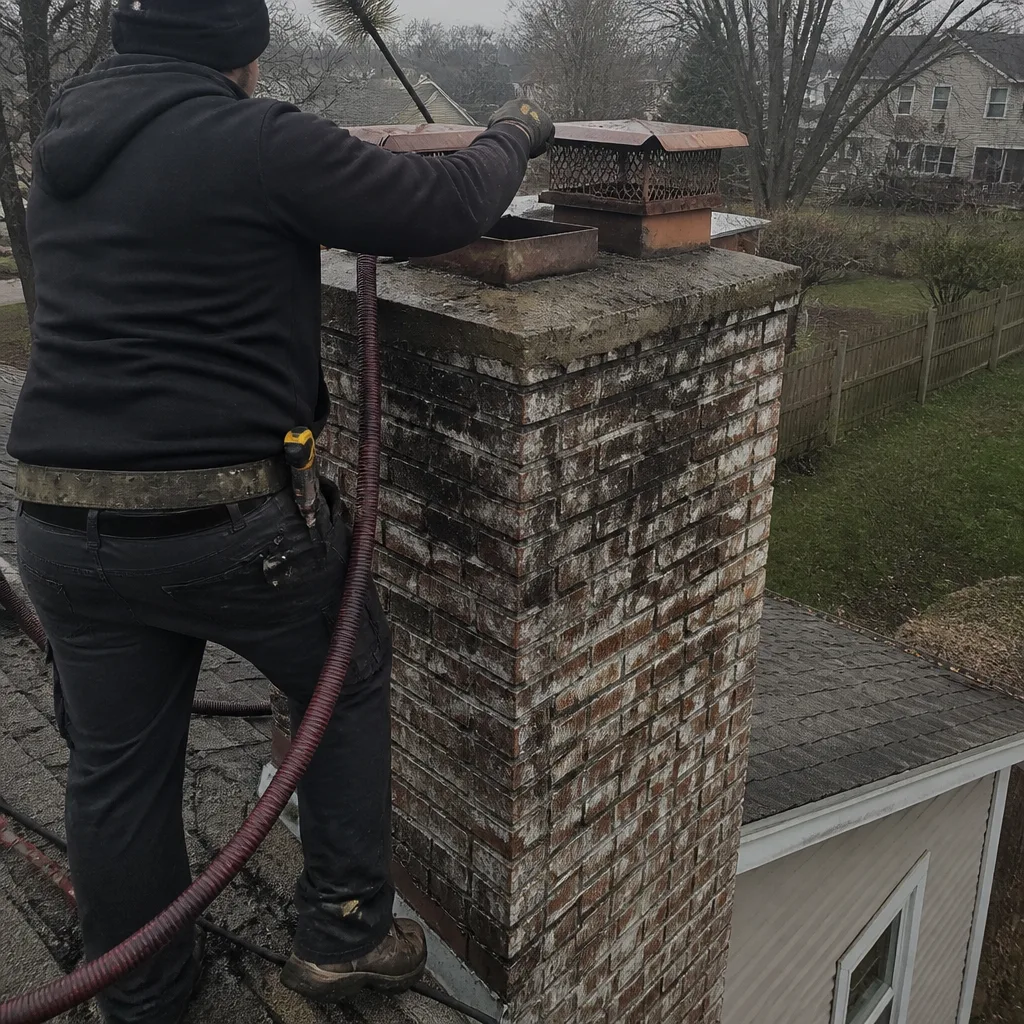 Before
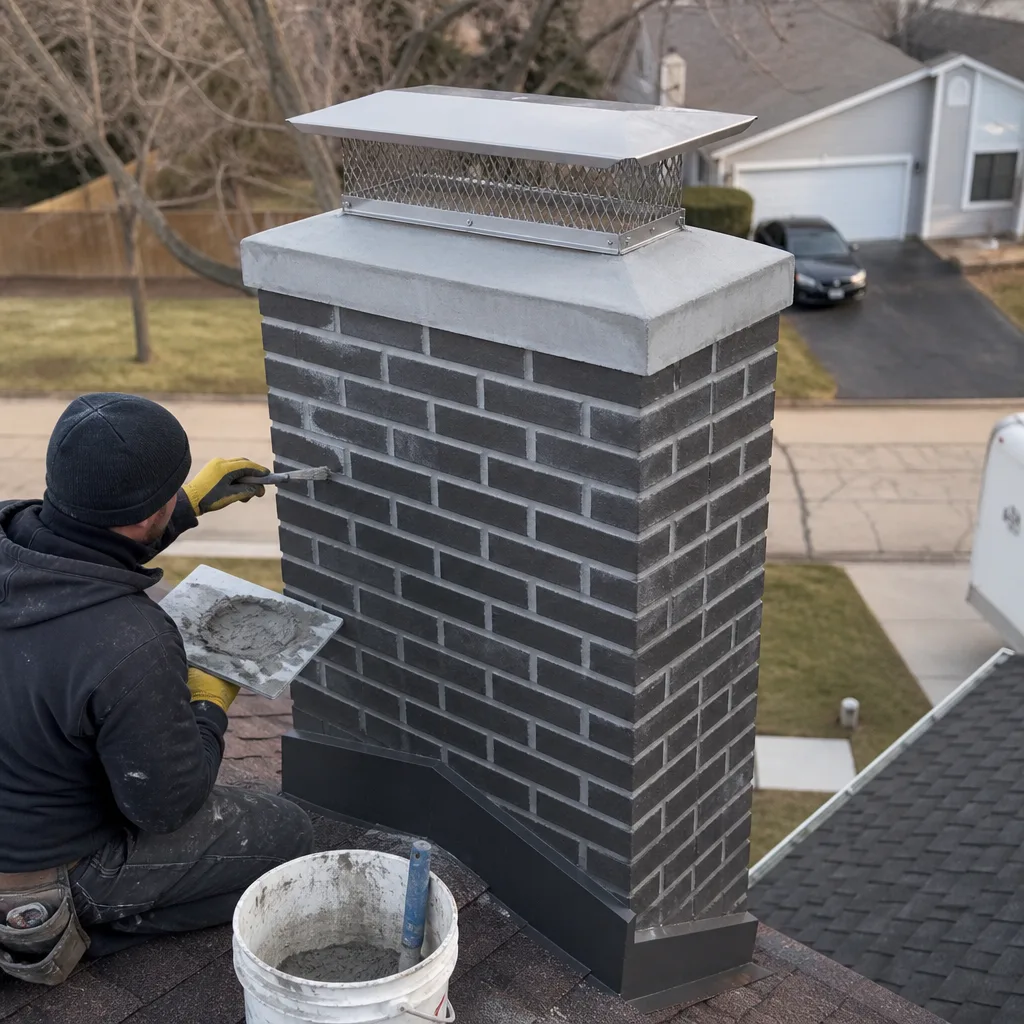 After