Last updated October 30, 2026
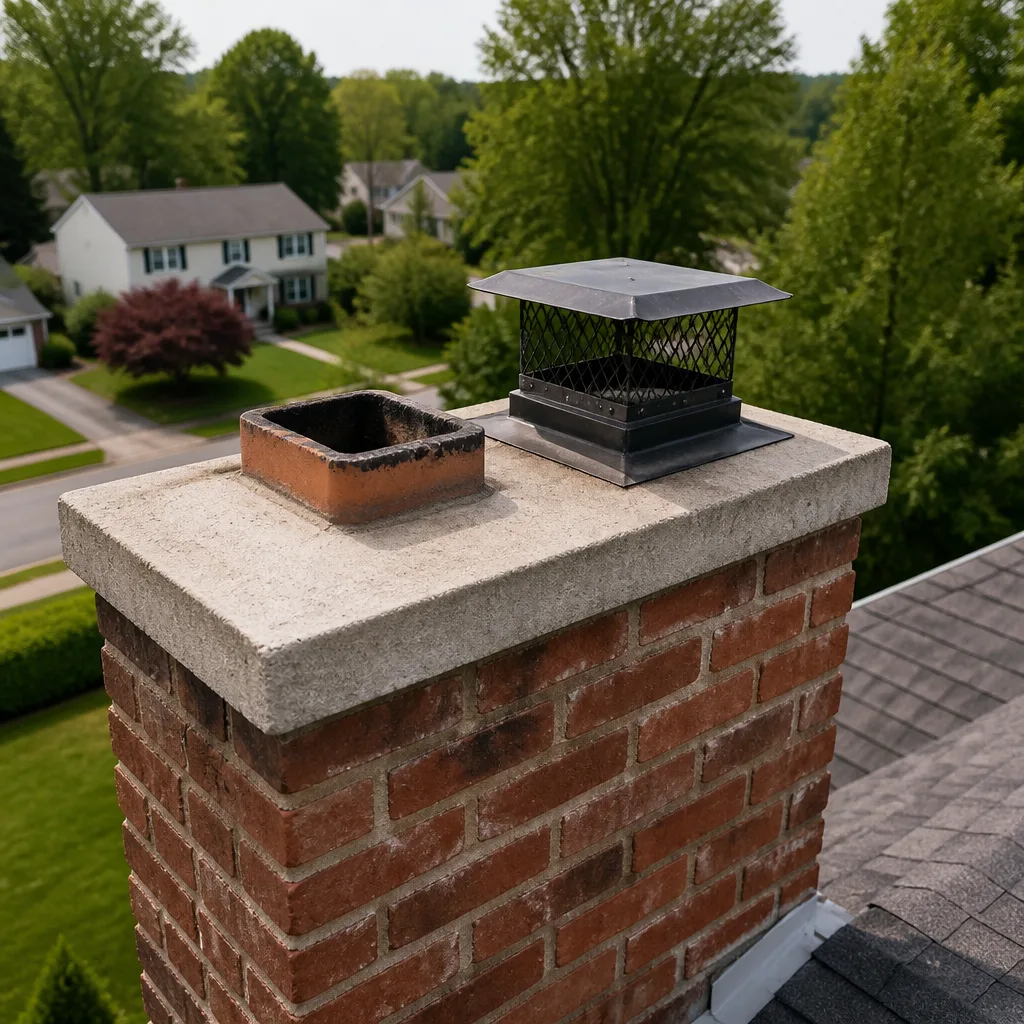 Sweep & inspection
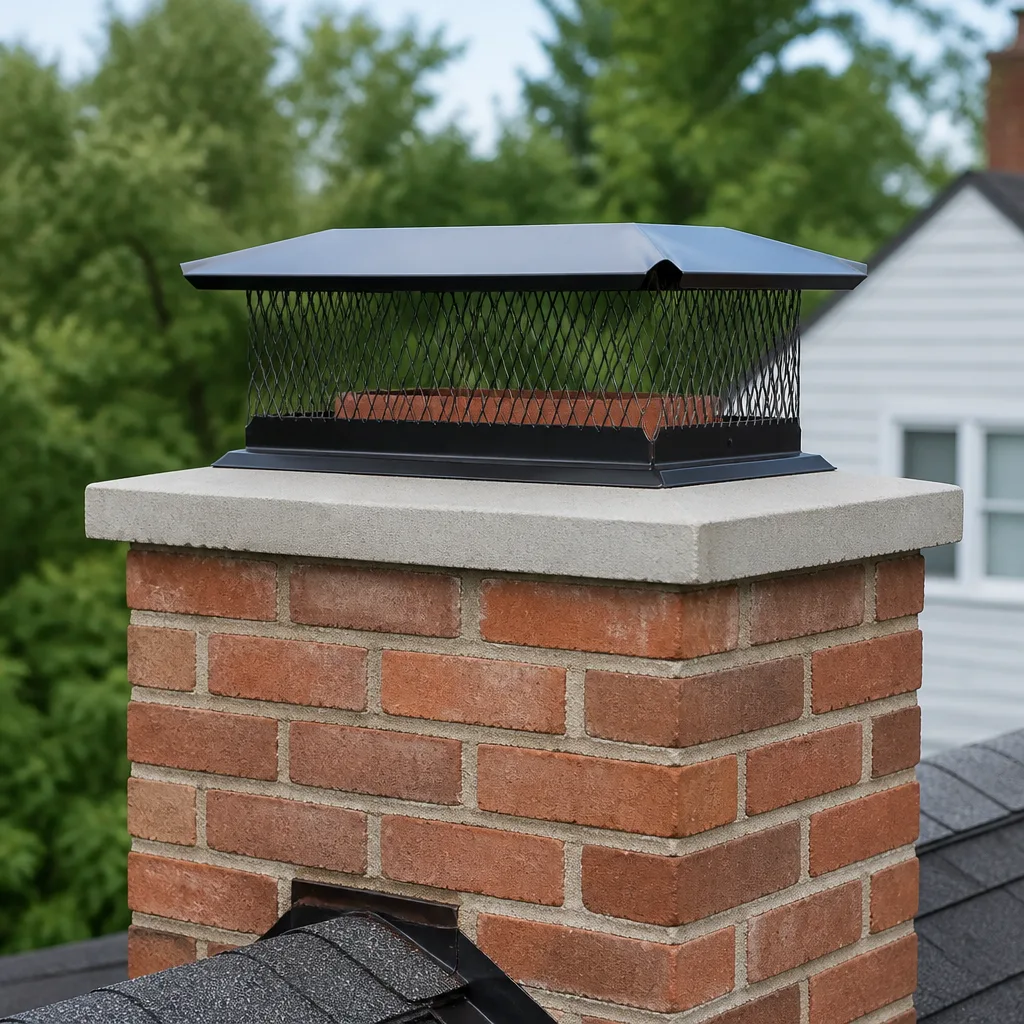 Caps & crowns
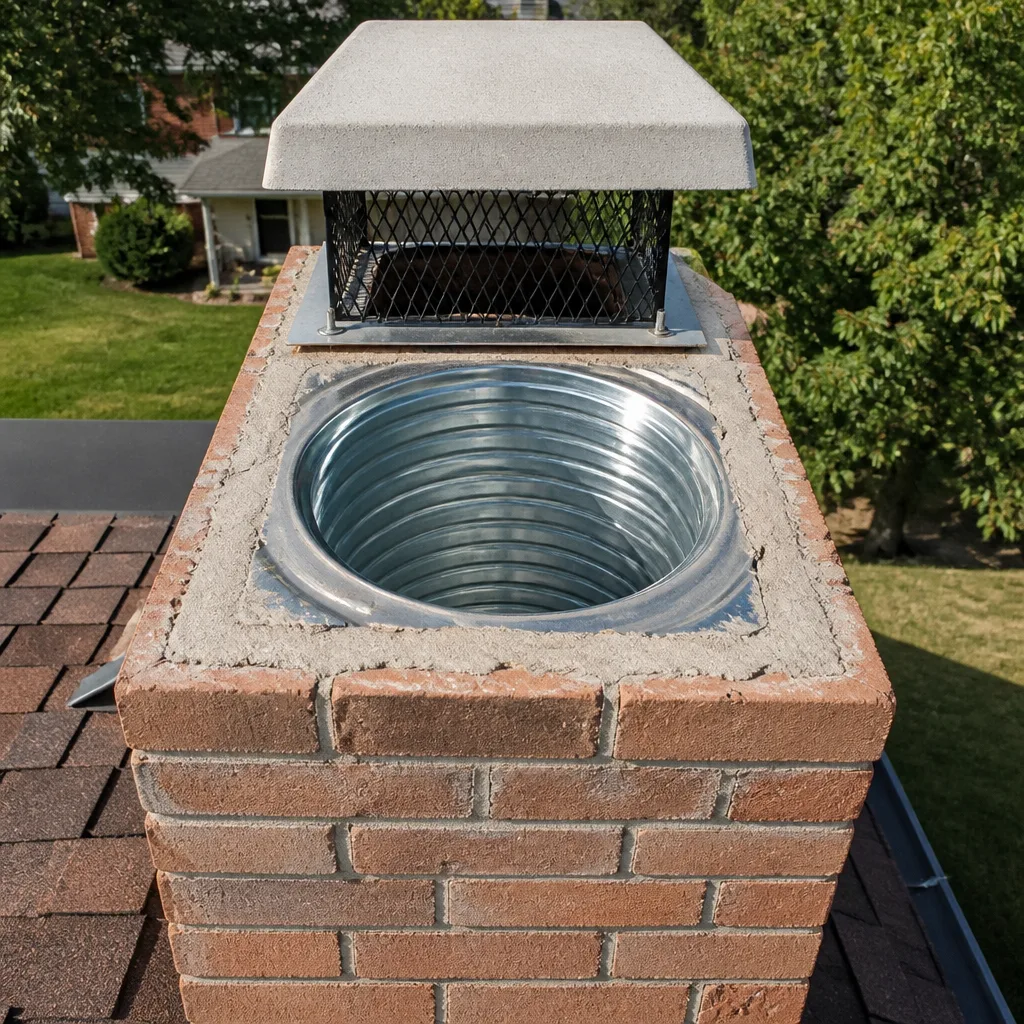 Flue relining
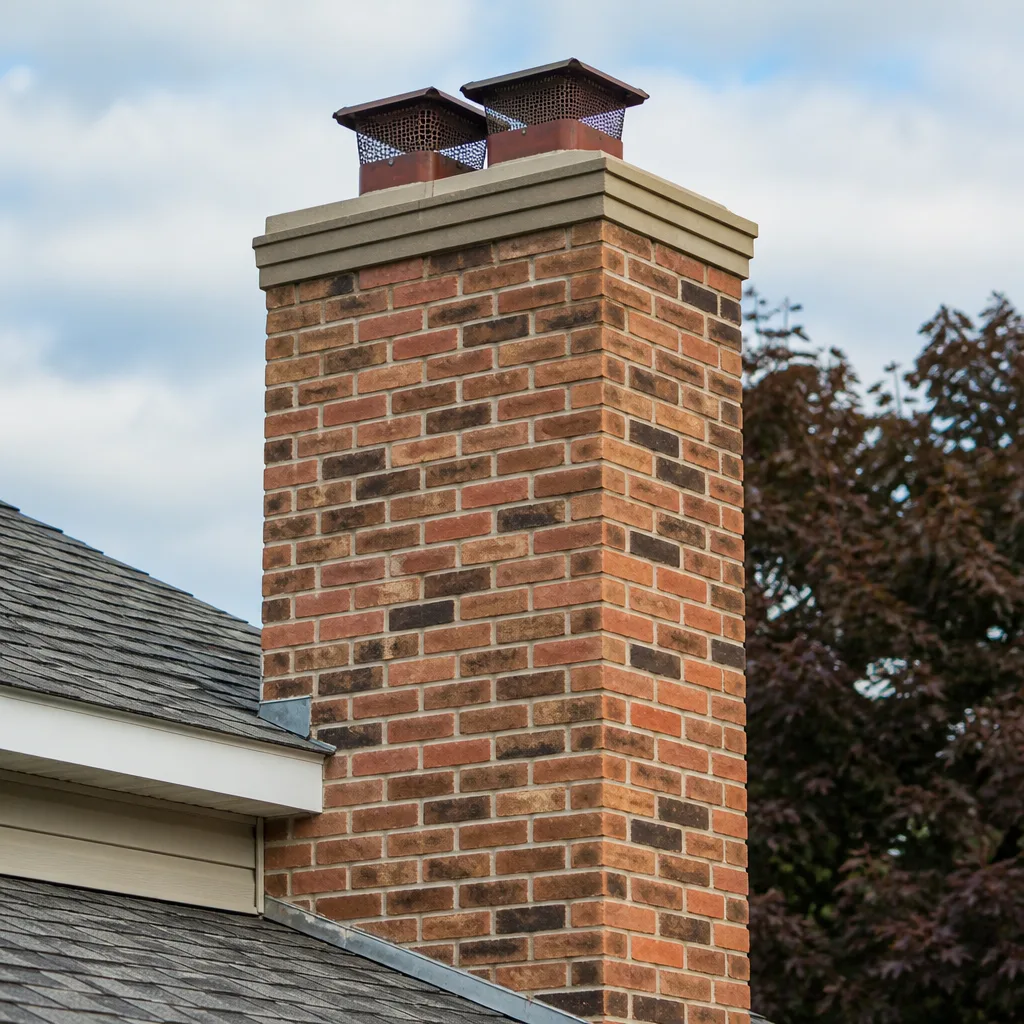 Masonry repair
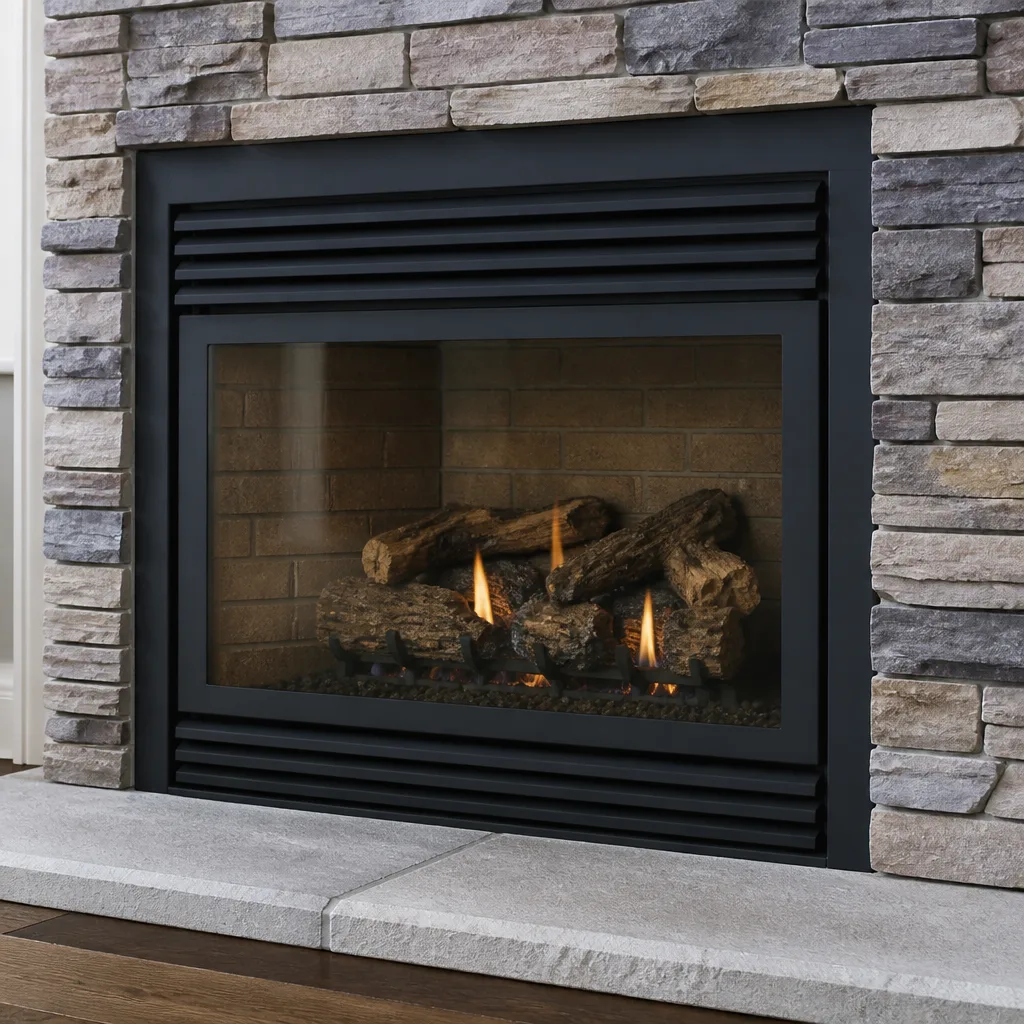 Gas fireplace service
Level 1 sweep and inspection to the NFPA 211 annual standard - flue, crown, cap, and flashing checked and photographed
Chimney sweep logs do not sweep chimneys. They loosen some creosote - which then falls where a brush and vacuum still have to collect it.
The Complete Guide to Chimney Cleaning in Bolingbrook
The CSIA has published data showing roughly 25% of chimney-related structure fires occur in systems the homeowner believed were recently cleaned. Think about that for a second. A quarter of chimney fires happen in fireplaces that were supposedly just serviced. In Bolingbrook, where we work on chimneys every week, the pattern behind that statistic is painfully clear: someone ran a brush up the flue, knocked down some loose soot, handed over an invoice, and never actually looked at the condition of the system. This guide exists to change how you think about chimney cleaning. It’s not a chore you schedule. It’s a diagnostic event that tells you whether your fireplace is safe to burn, what’s failing inside it, and what materials will actually fix the problem.
Quick Answer
Chimney cleaning in Bolingbrook should happen at least once per year if you burn wood, and every 1 to 2 years for gas fireplaces depending on usage. A proper cleaning includes a video inspection of the flue interior, which reveals whether creosote buildup, cracked tile liners, or deteriorating mortar joints require repair. The goal is not a swept chimney. The goal is a diagnosed chimney.
Styles & brands we work with
Table of Contents
- Why Cleaning Alone Isn’t Enough
- What a Chimney Sweep Actually Involves in Bolingbrook
- Three Cleaning Methods Explained: Rotary, Brush, and Vacuum Containment
- Creosote Classification: Stage 1, Stage 2, Stage 3
- How to Read Level 1 vs Level 2 Inspection Reports
- Bolingbrook Soil, Climate, and Your Chimney: What 10 Years of Freeze-Thaw Actually Does
- Post-Sweep Decision Tree: Is Your System Ready for the Season?
- Common Mistakes to Avoid
- When to Call a Professional
- Frequently Asked Questions
Why Cleaning Alone Isn’t Enough
Here’s the uncomfortable truth most chimney companies won’t tell you: the brush is the least important part of the visit. A chimney sweep that removes soot and creosote from the flue walls without inspecting the underlying masonry, liner, and crown is performing half a service. We’ve opened chimneys in Bolingbrook that looked perfectly clean on the interior surface, but the video inspection revealed a cracked flue tile behind a thin layer of soot. The homeowner had been told for years, “Everything looks great.” It wasn’t great. It was a chimney fire waiting to happen.
The real value of a professional chimney cleaning is what the process exposes. When the creosote is removed, the technician can finally see the actual surface of the flue liner. That’s when deteriorated mortar joints become visible. That’s when the hairline crack in a clay tile shows up. That’s when the spalling brick in the smoke chamber becomes obvious. Cleaning without inspection is like a doctor taking your blood pressure and declaring you healthy without ever drawing blood.
In our experience serving Bolingbrook homeowners, the systems that scare us most are usually the ones that were “just cleaned” by someone who didn’t inspect. The brush went up, the brush came down, and the failure mode stayed hidden. The CSIA statistic about recently cleaned chimneys catching fire makes complete sense once you understand that dynamic.
This is also why we stock materials from brands like Olympia Chimney and Gelco, not hardware store substitutes. The inspection rarely ends with “just clean it.” It usually ends with “this joint needs repointing, this cap needs replacement, and this flashing needs to be re-sealed.” When those repairs are needed, the quality of the materials determines whether the fix lasts 3 years or 15 years. A proper sweep identifies the problem. Proper materials solve it. You need both, and that’s the full-service scope we cover at Summit Peak Chimney Sweep home.
What “Diagnosed, Not Just Cleaned” Means
Every chimney we service in Bolingbrook gets a camera inspection, not just a brush pass. The camera goes into places no human eye can reach: the throat area above the damper, the full length of the flue, the top of the liner, and the crown. We photograph what we find. If we recommend a repair, we show you the image. If we say the system is safe to burn, that conclusion is based on what the camera showed, not on what the brush knocked loose. This is the difference between a chimney that’s known to be safe and a chimney that’s assumed to be safe. One of those is worth paying for.
What a Chimney Sweep Actually Involves in Bolingbrook
A chimney cleaning is not a single action. It’s a sequence of checks, removals, and documentation. Here’s what a proper sweep in Bolingbrook includes, step by step:
- System assessment and setup: The technician examines the fireplace opening, hearth, damper, and visible masonry before starting. Drop cloths and floor protection go down first. In Bolingbrook homes with finished basements and converted attics, containment matters because the mess from a sloppy sweep can travel.
- Mechanical creosote removal: Depending on the liner type and creosote stage, the technician uses a rotary whip, a wire brush, or a poly brush to detach deposits from the flue walls. This is where the method selection matters (more on that below).
- Containment and vacuum extraction: A high-capacity HEPA-rated vacuum runs continuously during cleaning. The goal is negative pressure: air flows into the fireplace, not into your living room.
- Flue inspection: After the deposits are removed, a video camera travels the entire length of the flue. The technician documented liner condition, mortar joint integrity, any blockages, and any cracks or gaps.
- Component checks: Damper operation, crown condition, cap presence, flashing seal, and smoke chamber surface are all assessed. If the chimney cap is missing, that’s a red flag, because Bolingbrook gets significant rainfall and masonry absorbs water like a sponge.
- Findings review: The technician walks you through what was found, shows you any concerning images, and gives you a written report. If repairs are needed, you’ll know exactly what’s wrong and why.
- Recommendation: Clean bill of health, scheduled maintenance, or immediate repair. If repair is needed, the recommendation should include materials and timeline.
This is the process we follow at Summit Peak Chimney Sweep, and it’s the process you should insist on from any company you hire in Bolingbrook. If a company quotes a chimney sweep in under five minutes without asking about your fuel type, liner material, or the last inspection date, that’s a red flag.
Three Cleaning Methods Explained: Rotary, Brush, and Vacuum Containment
Not all chimney cleanings use the same technique. The method matters because the wrong method on the wrong liner can cause actual damage. Here’s how the three approaches break down:
Rotary Cleaning
Rotary cleaning uses a motorized whip head with poly or metal strands that spin at high speed against the flue walls. It’s the most aggressive mechanical cleaning method and works exceptionally well on Stage 2 and Stage 3 creosote that has hardened or glazed. Rotary cleaning is appropriate for masonry chimneys with intact clay tile liners and for properly installed stainless steel liners. It is not appropriate for flues with already-fragile mortar joints or damaged tiles, as the agitation can worsen existing cracks. The technician should assess liner condition before choosing this method.
Brush Cleaning
A traditional brush system, whether wire or poly, is pushed and pulled through the flue in a controlled motion. Wire brushes are used on clay tile liners in good condition. Poly brushes are gentler and preferred for stainless steel liners where a wire brush could scratch or abrade the surface. Brush cleaning works well for light to moderate creosote or routine annual maintenance where the system is being serviced on schedule. The limitation: a brush can miss deposits that have hardened in chimney offsets or behind damaged liner sections.
Vacuum Containment
Vacuum containment is not an alternative to the brush or rotary methods. It’s the system that runs alongside them. A HEPA-filtered vacuum with a sealed face at the fireplace opening creates negative air pressure so that dust, soot, and creosote particles don’t enter the home. This is non-negotiable for any cleaning performed in a finished living space. In Bolingbrook, where many homes have open floor plans, a cleaning done without proper containment will leave fine soot on surfaces throughout the first floor.
The right choice depends on the chimney’s condition, fuel type, and creosote classification. We select the method based on what the inspection reveals, and we’ll tell you why we’re using one approach over another. If a company can’t explain the method they selected, that’s your signal to find another company.
Creosote Classification: Stage 1, Stage 2, Stage 3
Creosote is not one substance. It forms in stages, and each stage changes the safety equation and the necessary treatment. Understanding the difference will help you understand what a technician means when they report findings.
Stage 1 Creosote: Flaky Soot
Stage 1 creosote is brown or black flaky dust with a high soot content. It brushes off easily with a standard sweep. Systems with Stage 1 buildup are typically in the “routine maintenance” category. This is what you want to hear.
Stage 2 Creosote: Granular Tar
Stage 2 creosote is shinier and granular, often described as “cornflake” texture. It has a higher tar content than Stage 1 and is more difficult to remove. It is combustible and should be addressed before the next burn. Rotary cleaning is usually the right approach for Stage 2.
Stage 3 Creosote: Glazed Tar
Stage 3 creosote is a hard, shiny, tar-like coating that has baked onto the flue walls. It is highly concentrated fuel and the most dangerous form. Stage 3 builds when the chimney is not cleaned regularly, or when burning green or unseasoned wood. In some cases, chemical treatments like Gelco creosote modifiers are applied after mechanical removal to break down the remaining residue so it can be swept out over subsequent cleanings. Stage 3 is a serious finding and a chimney fire risk.
Bottom line: Stage 1 is routine. Stage 2 requires mechanical cleaning and a change in burning habits. Stage 3 requires aggressive cleaning, chemical treatment, and a hard conversation about what caused the buildup in the first place. In Bolingbrook, we see a lot of Stage 2 in wood-burning fireplaces that get intermittent use during the shoulder seasons of fall and spring, when homeowners burn a quick fire on a chilly evening with less-than-optimal wood.
How to Read Level 1 vs Level 2 Inspection Reports
The National Fire Protection Association (NFPA) defines three levels of chimney inspection. Understanding what each level covers will help you know what you’re paying for and what the results mean.
Level 1 Inspection
A Level 1 inspection is the standard annual check that accompanies a routine cleaning. The technician examines the readily accessible portions of the chimney: the fireplace, damper, smoke chamber, visible flue, and exterior chimney exterior. A Level 1 inspection confirms that the chimney is functioning as intended and there are no obvious signs of deterioration or obstruction. It is appropriate when the chimney has not changed use, not changed fuel type, and not experienced a chimney fire or severe weather event.
Level 2 Inspection
A Level 2 inspection is required when you buy or sell a home, change fuel type (for example, from wood to gas insert), after an earthquake, chimney fire, or lightning strike, or when a Level 1 inspection raises concerns. A Level 2 includes everything in Level 1 plus video inspection of the entire flue interior, inspection of accessible attics, crawl spaces, and basements where the chimney passes through, and evaluation of the crown, flashing, and cap. In Bolingbrook, where a significant portion of homes are 20 to 40 years old and many have changed hands in the last decade, Level 2 inspections are the standard for real estate transactions and should also be done after any major storm that produces straight-line winds.
How to Read the Findings
- “Routine maintenance” means the system is in normal condition and scheduled annual service is sufficient.
- “Repair required” means a specific defect was found. The report should identify the defect, where it is, and the recommended repair scope. Ask for the video images.
- “Immediate hazard” means the system should be removed from service until repair is completed. This finding justifies the urgency and the cost.
- “Monitor” means a condition exists but does not yet require intervention. Scheduled follow-up is the right call, not immediate repair.
When we inspect homes in Bolingbrook, we document everything with photos. If a repair is needed, you see the evidence. If a condition is worth monitoring, we tell you when to re-check and why. The report should leave no ambiguity about what’s wrong and what comes next.
Bolingbrook Soil, Climate, and Your Chimney: What 10 Years of Freeze-Thaw Actually Does
Bolingbrook sits on a foundation of clay-heavy soil. That’s not a trivial detail for your chimney. Clay soil absorbs water and expands when wet. During a wet spring, the soil swells. The shift is slow but persistent. Over a 10-year span, that seasonal movement is enough to put hairline cracks in masonry foundations and to separate mortar joints in above-grade brickwork. We see this all the time in Bolingbrook chimneys, especially in homes built before 2000 with standard clay tile liners and standard mortar joints.
Freeze-thaw cycles accelerate the damage. When water gets into the brick, it freezes in winter. Ice occupies about 9% more volume than liquid water. That expansion pushes outward, cracking the brick face or spalling the surface. If the crown cap is cracked, water finds its way in. If the flashing was done poorly or is aging, water seeps behind the chimney. Every Bolingbrook winter is a series of freeze-thaw pressure cycles on every masonry chimney in the area. The chimeys that survive well are the ones that get sealed and inspected before the worst of the winter sets in.
The bolingbrook region also gets significant rainfall, which means water management is not a one-time fix. It’s an ongoing concern. A chimney that looks fine from the street may be saturating its masonry behind the flashing line, especially on north-facing elevations that never see direct sun. When we perform sweeping in Bolingbrook, we’re also looking at the exterior masonry. A clean flue with a leaky crown is a chimney that’s still failing.
What This Means for Homeowners
If your chimney has not had a masonry inspection in the last 5 years, you likely have mortar joints that are in some stage of deterioration. If your chimney is 20+ years old and has never been repointed, the mortar is almost certainly due. And if your chimney sits on a portion of the property with known drainage issues, the foundation shift may be worse. The cleaning provides the opportunity to catch these problems early. The masonry repair is what prevents them from becoming structural. If you need a repair specialist, the team at Chimney Repair in Naperville handles the full scope of masonry restoration using copper and stainless steel components from Copperfield and Famco, so the fix lasts.
Post-Sweep Decision Tree: Is Your System Ready for the Season?
After a sweep and inspection, you’ll have a report in hand. Here’s how to translate the findings into a decision:
- Did the inspection reveal creosote at Stage 2 or higher? If yes, the system needs mechanical cleaning. If the creosote was Stage 3, chemical treatment may be needed before burning. Address before next use.
- Did the camera show cracks in the flue liner? If yes, do not burn until the liner is repaired or resurfaced. Cracked liners allow heat and gases to reach combustible framing. A chimney cleaning is not a liner repair.
- Did the inspection show missing or damaged chimney cap? If yes, replace it. A cap keeps rain, animals, and debris out. Without one, the flue is exposed. This is a straightforward fix and should not be deferred.
- Did the report note spalling brick or deteriorated mortar? If yes, schedule repointing. Spalling is a sign of water damage and will progress if ignored. Water damage does not self-heal.
- Did the inspection find no creosote above Stage 1, no liner cracks, and no cap damage? If all clear, the system is ready for the season. Schedule the next sweep 12 months out. Burn only seasoned hardwood, never pine, and never construction scraps.
If at any point in this decision tree you’re not sure what the finding means, ask for the video. A reputable chimney company will show you the footage and explain the decision in plain language. This is your chimney and your home. You should understand the recommendation fully.
Common Mistakes to Avoid
- Burning unseasoned wood: Green or wet wood burns cool and produces heavy creosote. In Bolingbrook, where firewood is sometimes sold roadside with no seasoning date, you should buy wood at least 6 to 12 months before burning. If the wood hisses when you light it, it’s too wet.
- Using the fireplace before the sweep: If you haven’t had the chimney cleaned in over a year and you light the first fire of winter, any Stage 2 or Stage 3 creosote in the flue is now being heated. Sweep first, then burn.
- Skipping the video inspection: A brush-only service leaves you with no evidence of condition. Insist on camera documentation. If a company won’t provide it, that’s a structural gap in their service.
- Ignoring minor water damage on the ceiling near the chimney: That stain suggests the flashing is leaking. A leaky flashing will eventually rot the framing around the chimney. Fix the flashing before it becomes a carpentry project.
- Deferring repointing because the mortar “looks okay from the ground”: Mortar deterioration starts at the top of the chimney, not the bottom. By the time it’s visible from the curb, the damage is already advanced.
- Assuming a gas fireplace never needs cleaning: Gas fireplaces produce acidic condensation that can corrode the flue. They need periodic inspection and cleaning, usually on a 2-year cycle depending on usage.
- Treating the chimney as a standalone system: Your clothes dryer vents through a separate duct that also accumulates lint and presents a fire hazard. We recommend a dryer vent cleaning as part of your annual maintenance routine. It’s a separate fire risk that most people never think about until it’s too late. For homeowners in the neighboring area, Dryer Vent Cleaning in Naperville is available as part of the full-service scope.
When to Call a Professional
Call a chimney professional if you hear a rumbling sound from the chimney during a fire, see smoke entering the room, notice a strong smoky odor lingering after the fire is out, or you see a dark oily substance on the fireplace walls. These are all signs of creosote ignition or ventilation failure.
Call also if you’ve owned the home for more than a year and have no record of a chimney inspection. Most Bolingbrook homes change hands with a Level 2 inspection at closing, but not always. If you can’t document the last cleaning, assume it’s overdue.
If you’re in Bolingbrook and want a documented cleaning with video inspection, Summit Peak Chimney Sweep offers free estimates. Call (855) 382-3714 to schedule. We’ll tell you what’s needed, what can wait, and what it will cost before any work begins.
Frequently Asked Questions
Chimney cleaning in Bolingbrook typically costs between $180 and $320 for a standard masonry fireplace with a single flue. That price should include the full sweep, vacuum containment, and a Level 1 inspection. Variable factors include flank height and roof pitch, the amount of creosote present, and whether a chimney cap or other component needs replacement. Gas fireplace cleaning runs slightly less. If the cleaning reveals Stage 3 creosote or liner damage, the service becomes more involved. Call (855) 382-3714 for an exact quote. Estimates are free.
Wood-burning chimneys should be cleaned once per year, ideally in late summer or early fall before the burning season starts in Bolingbrook. Gas fireplaces can usually go 2 years between cleanings, but the first year after a gas insert is installed should include a check. If you burn more than 3 cords of wood per season, schedule a mid-season inspection as well.
Creosote accumulates and transitions from Stage 1 flaky soot to Stage 2 granular tar to Stage 3 glazed tar. Stage 3 is highly combustible. A single hot fire can ignite it. The fire then burns inside the flue at temperatures that can crack the liner and spread to the framing. The risk is real and the progression is predictable. The cost of a sweep is a fraction of the cost of a chimney fire.
A lingering smoke odor after a cleaning indicates either a draft problem, a missing or damaged chimney cap, or creosote remains lodged in an offset or smoke chamber. The chimney should be re-inspected. The cleaning may have been incomplete, or the flue may be undersized for the fireplace. This is a ventilation issue, not a “try airing it out” issue.
Not every damaged liner requires a full replacement. Depending on the extent of the cracking or deterioration, flue resurfacing using HeatShield ceramic repair material can restore the liner’s integrity without the cost and disruption of a full reline. We stock HeatShield and use it for Bolingbrook chimneys where the damage is localized and the original liner is structurally sound. A full reline with a DuraFlex flexible liner is reserved for systems where the original flue is beyond resurfacing. The camera inspection tells us which path is appropriate. We don’t recommend a full replacement unless the images justify it.
Gas fireplaces don’t produce creosote, but they do produce acidic condensation that can corrode the flue interior over time. Gas systems also need venting checks to ensure the exhaust is not backdrafting into the home. Carbon monoxide is a genuine risk with gas appliances. Have a gas fireplace inspected at least every 2 years.
The Bottom Line
Chimney cleaning in Bolingbrook is a diagnostic cycle, not a one-and-done event. The sweep gets the creosote out. The inspection shows you what’s actually hidden beneath. The repair decisions flow directly from what the camera reveals. If you treat the cleaning as the goal, you’ll miss the failing liner, the spalling brick, and the missing cap. If you treat the cleaning as the starting point, you’ll know exactly what your system needs and when. That’s the difference between a chimney that’s clean and a chimney that’s known to be safe. Call (855) 382-3714 to schedule a sweep with video inspection, and you’ll have the documentation to prove it. For more guides & resources, visit our blog.
Written by the team at Summit Peak Chimney Sweep, serving Bolingbrook since 2018.
See the difference
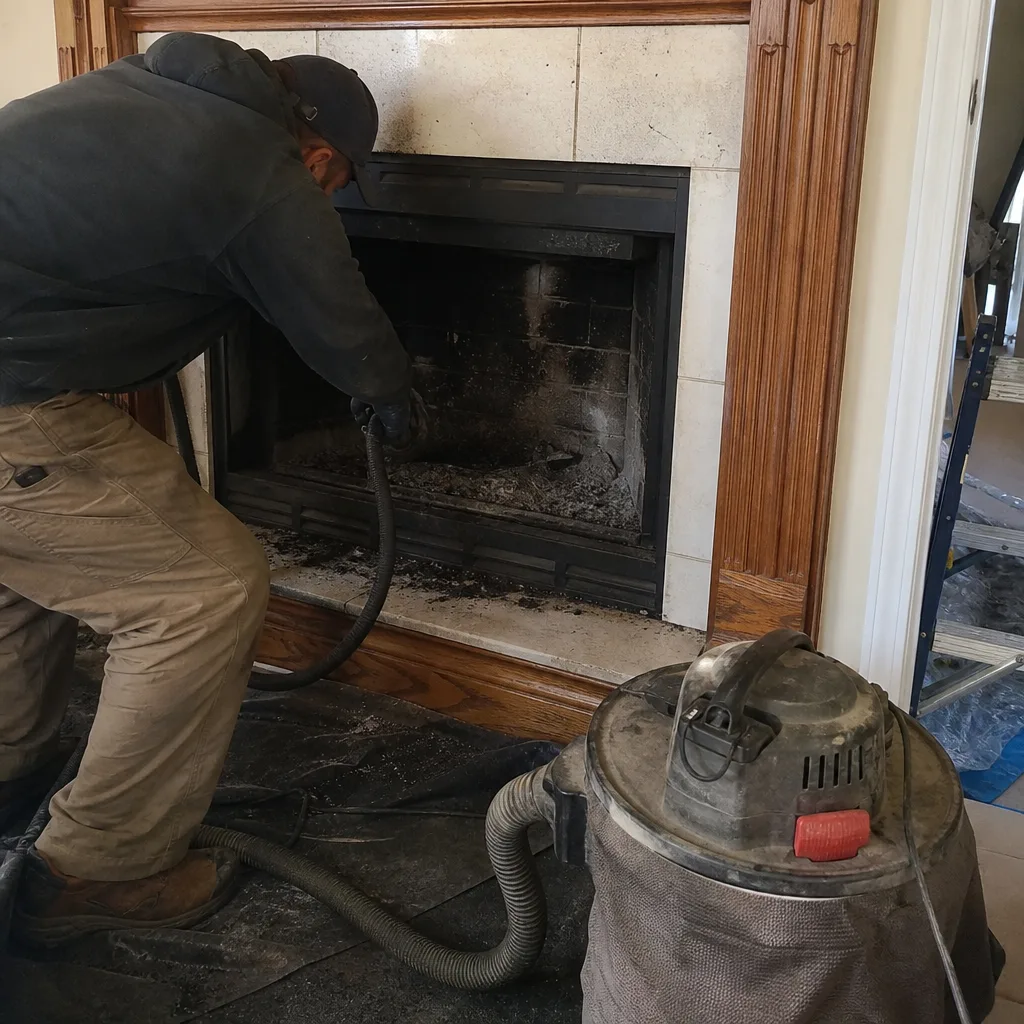 Before
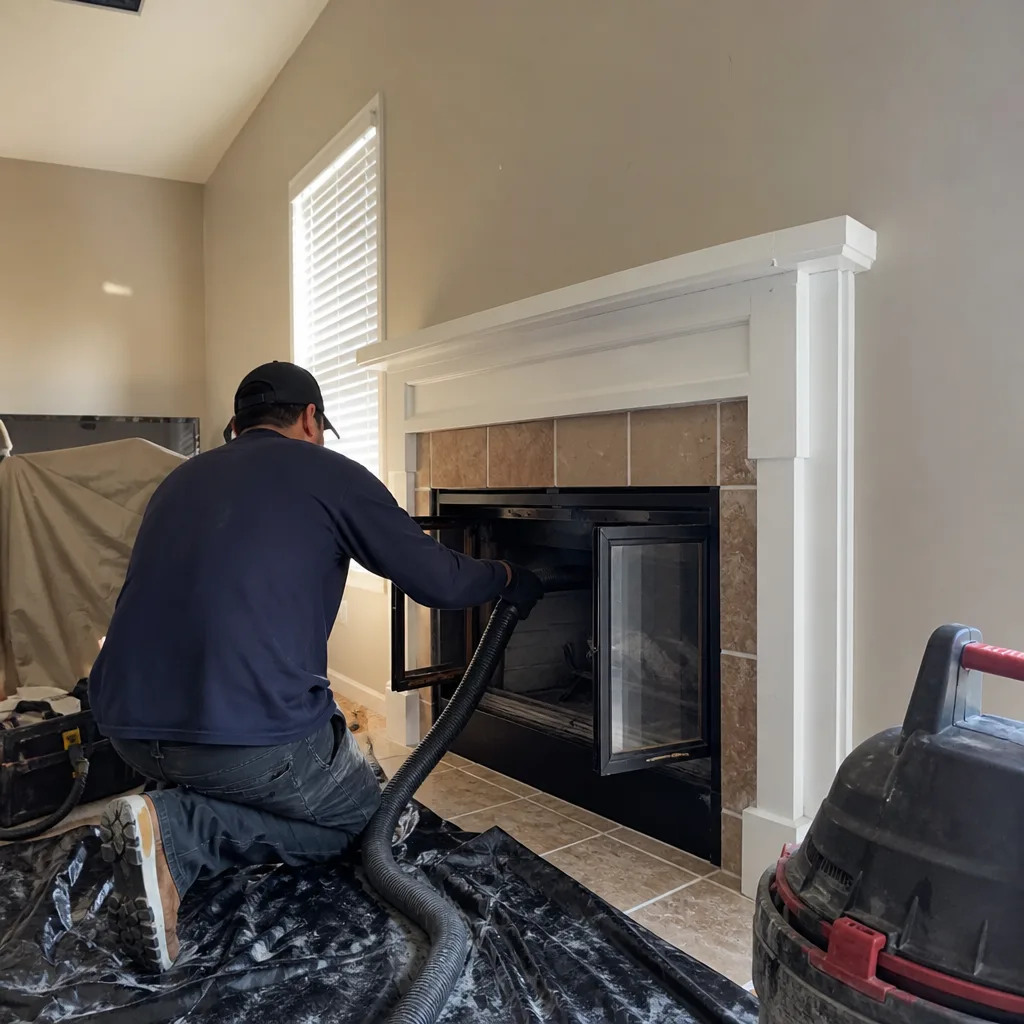 After
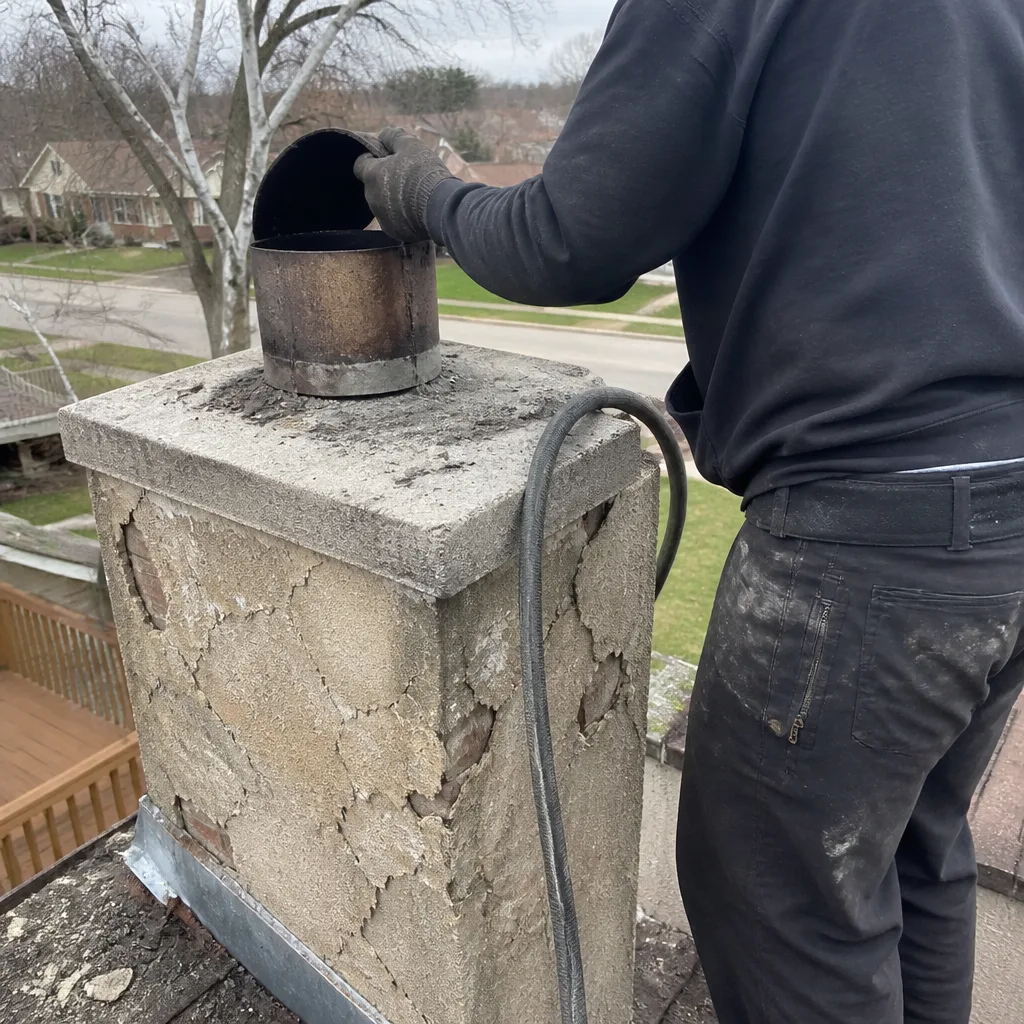 Before
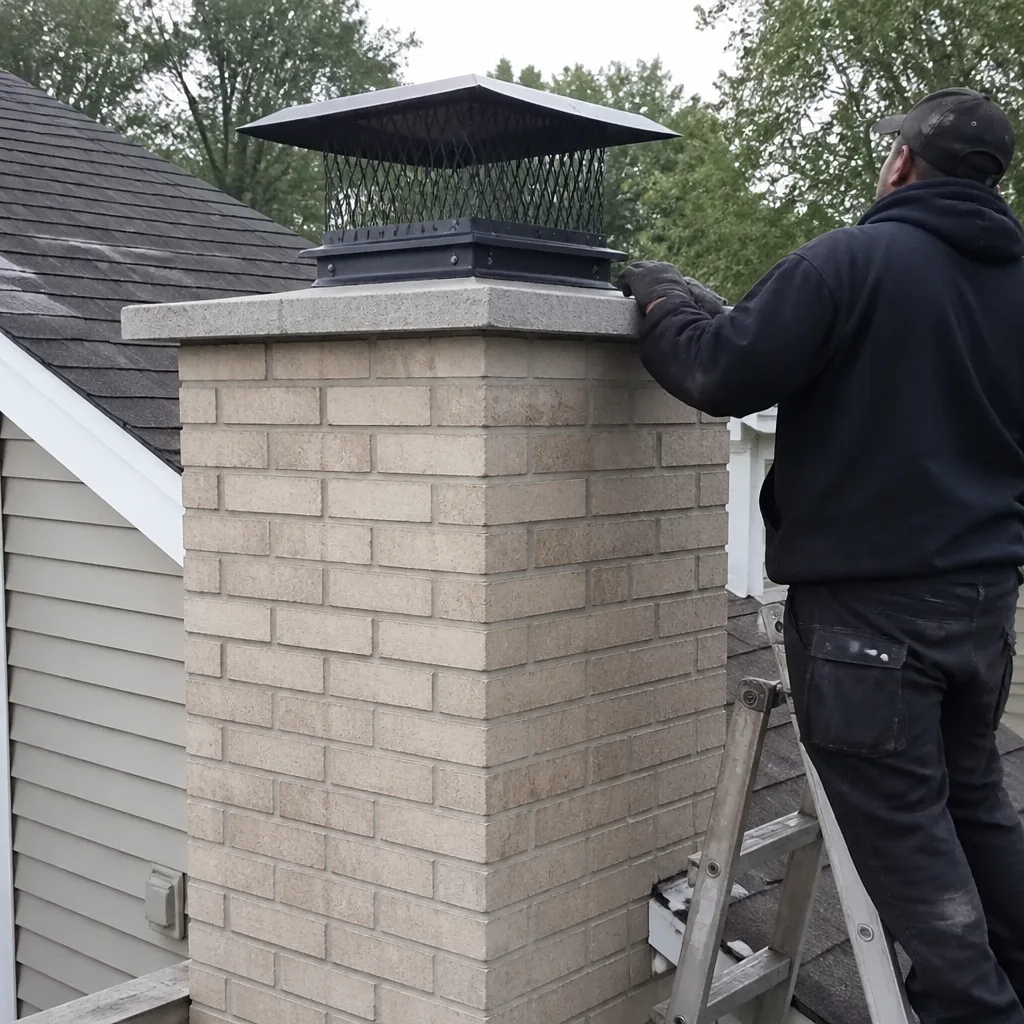 After
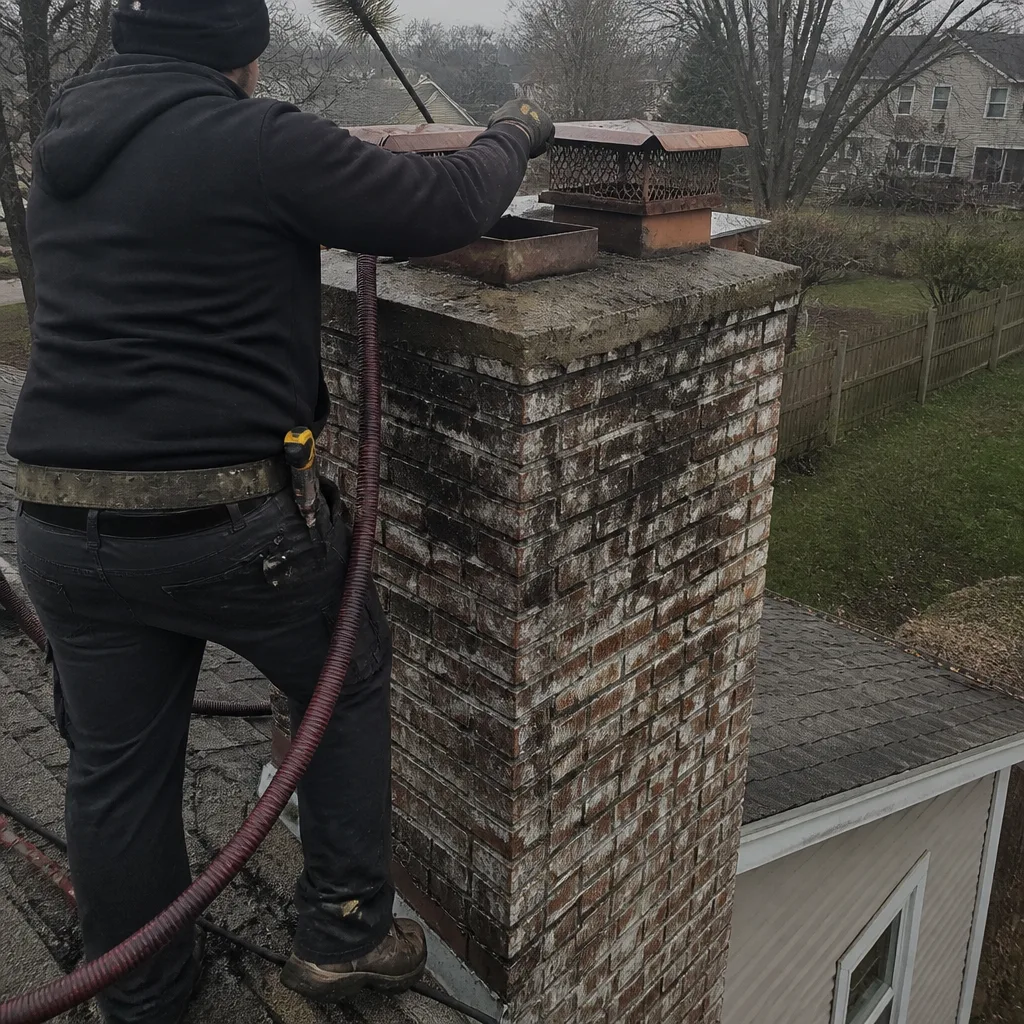 Before
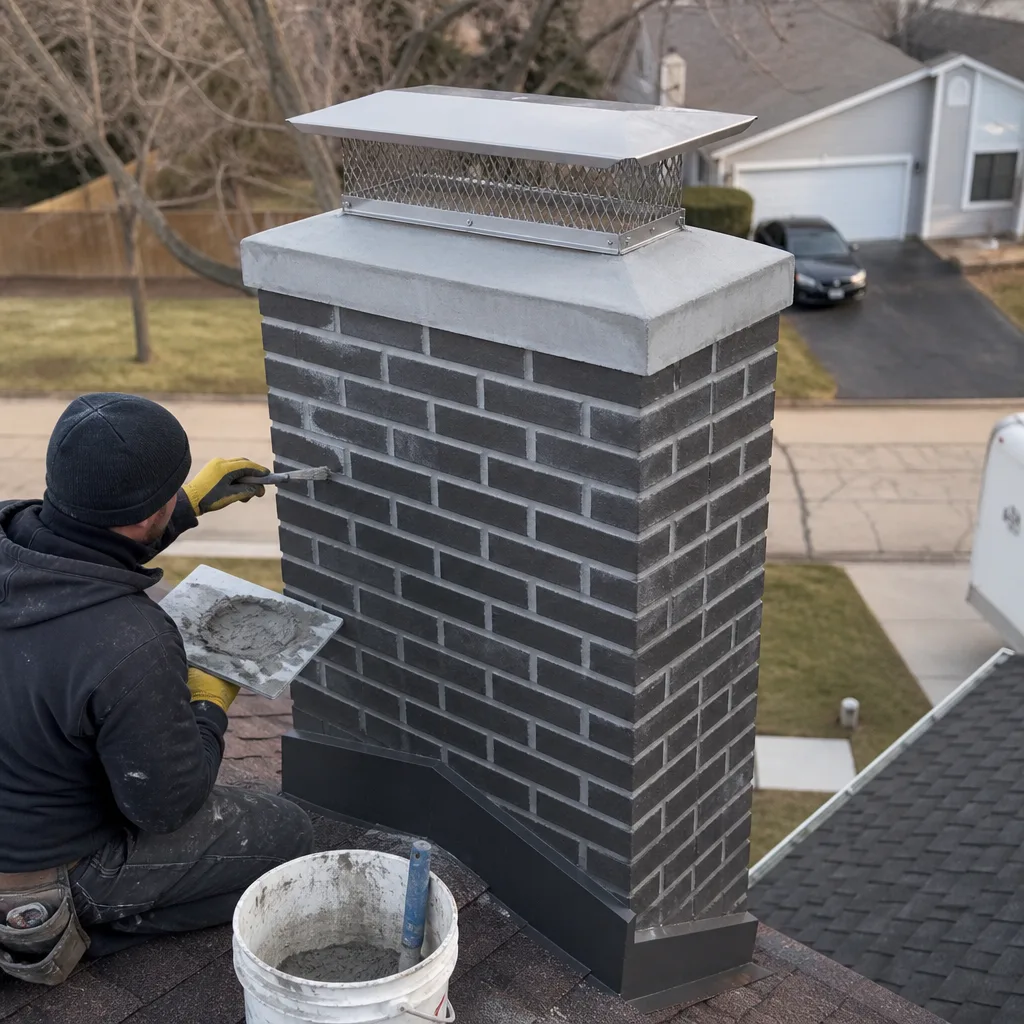 After