Last updated October 30, 2026
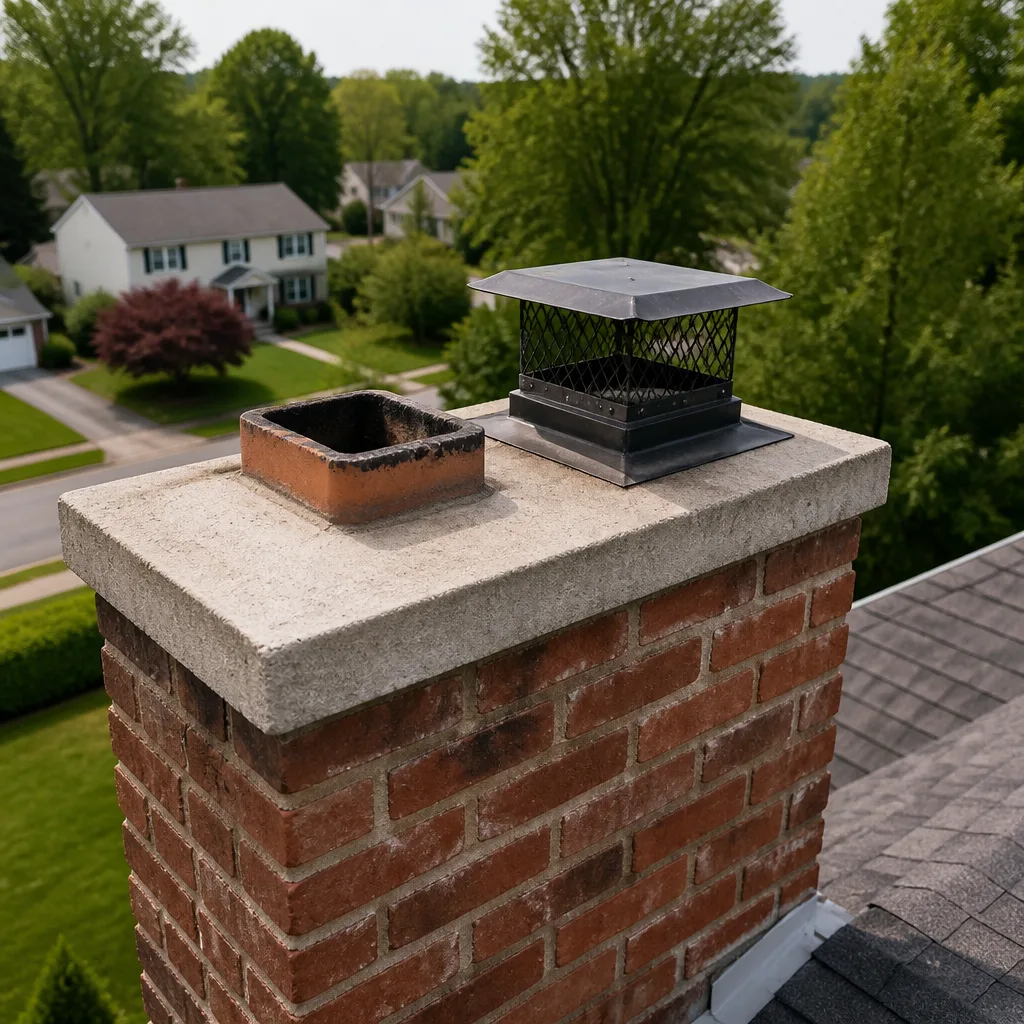 Sweep & inspection
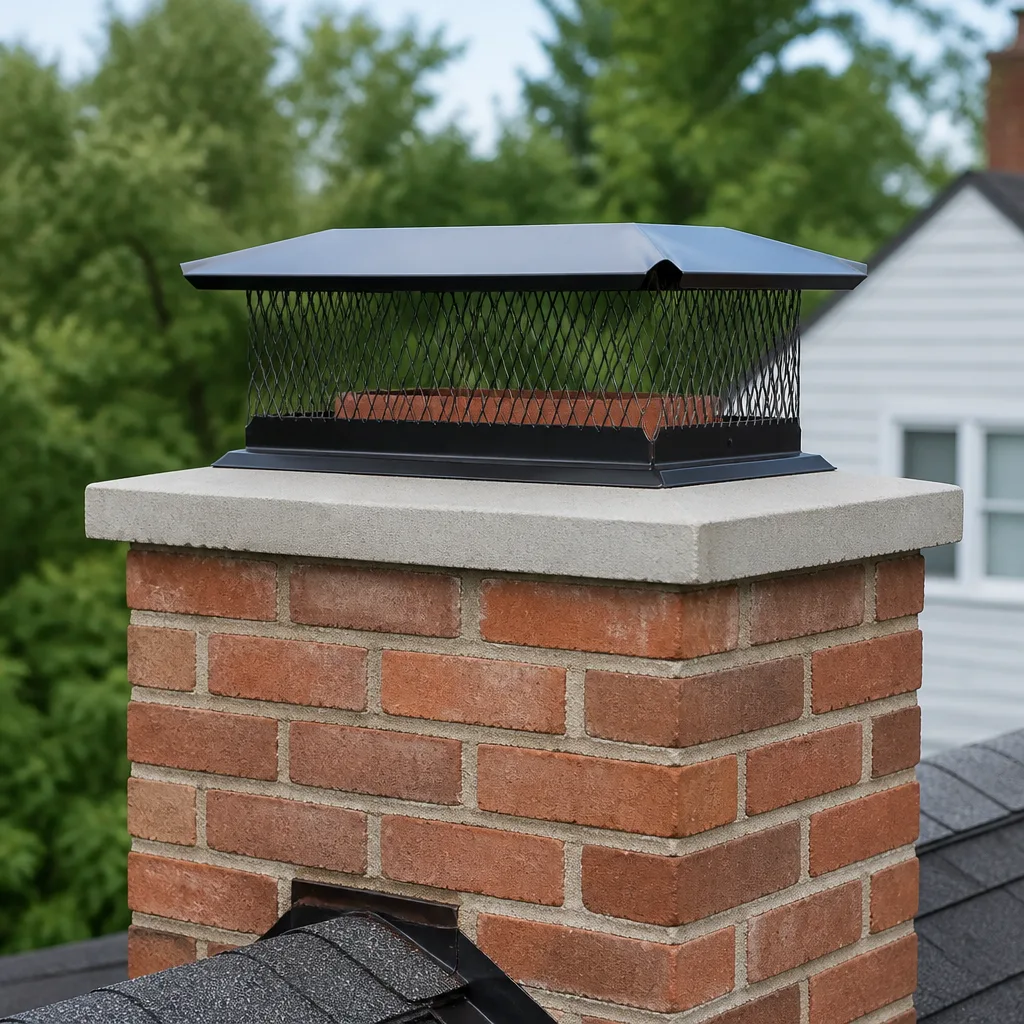 Caps & crowns
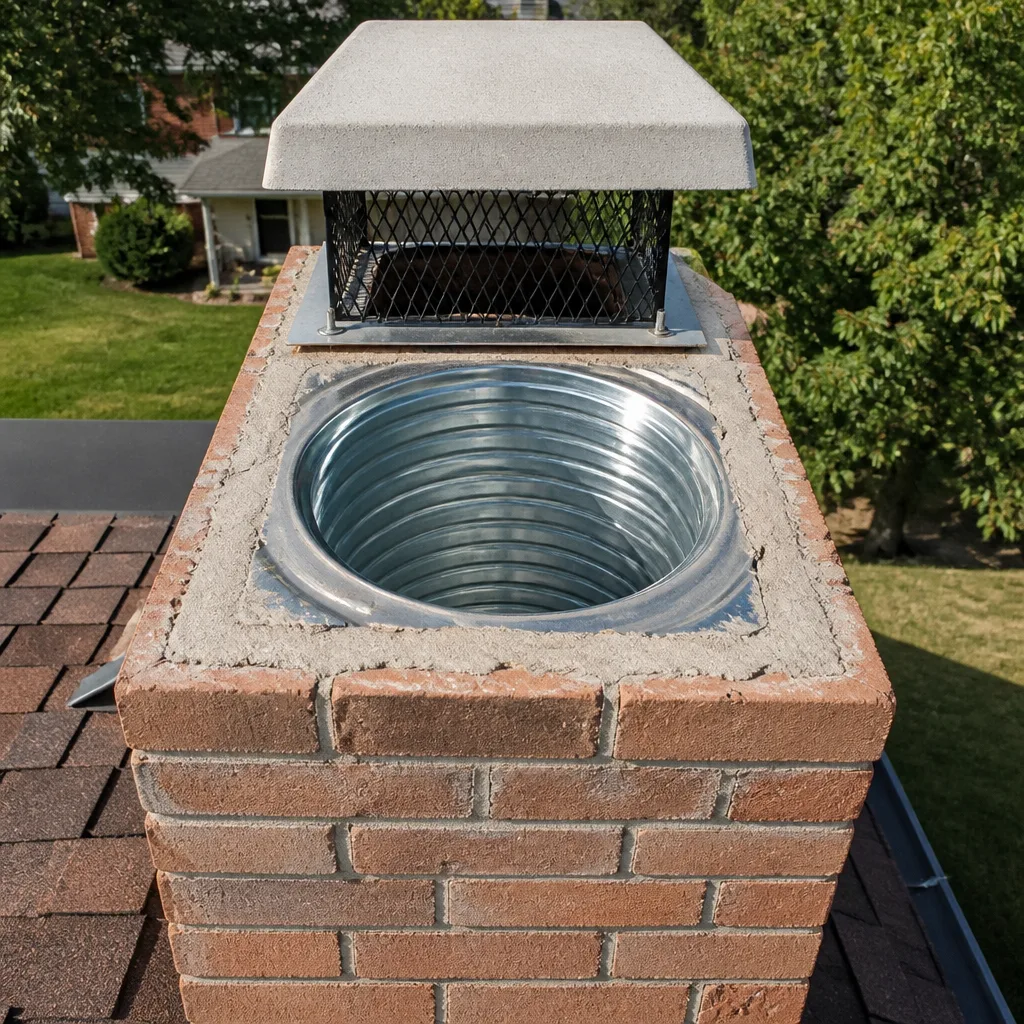 Flue relining
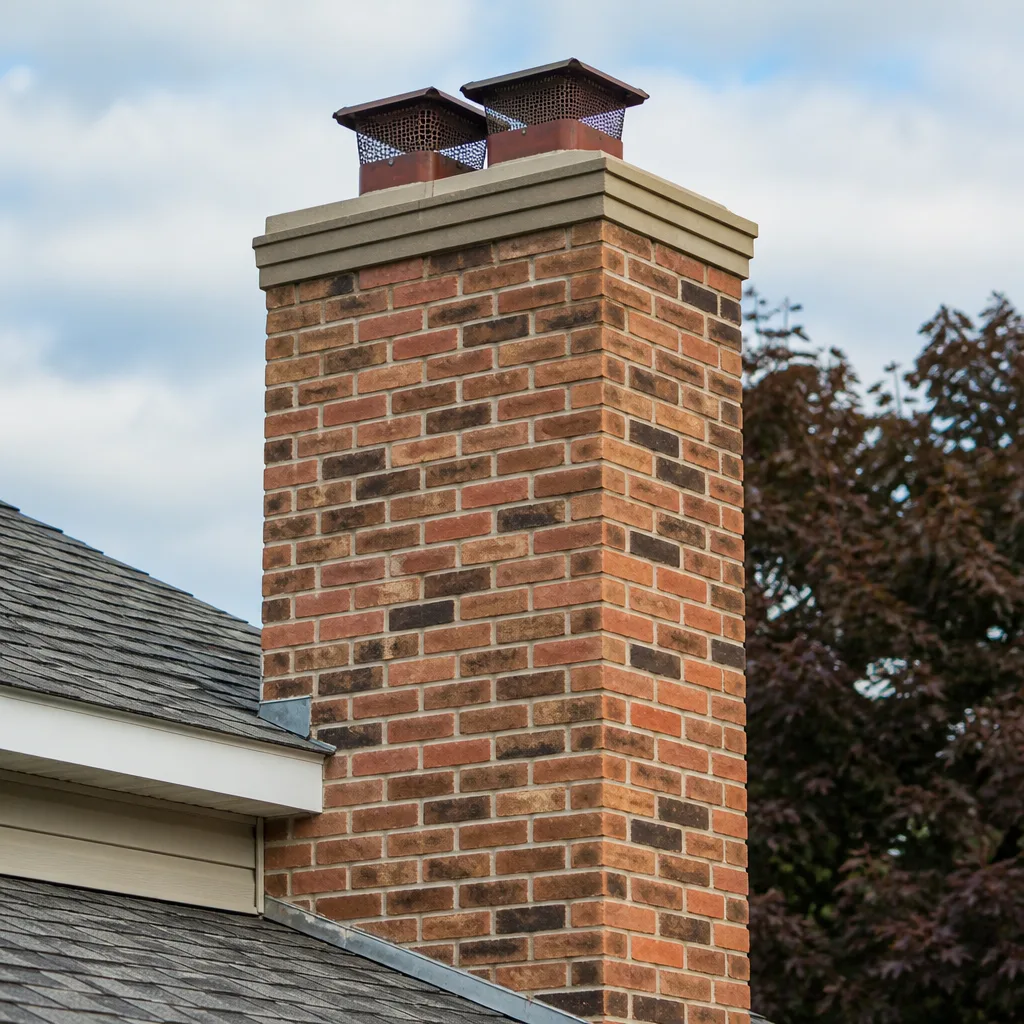 Masonry repair
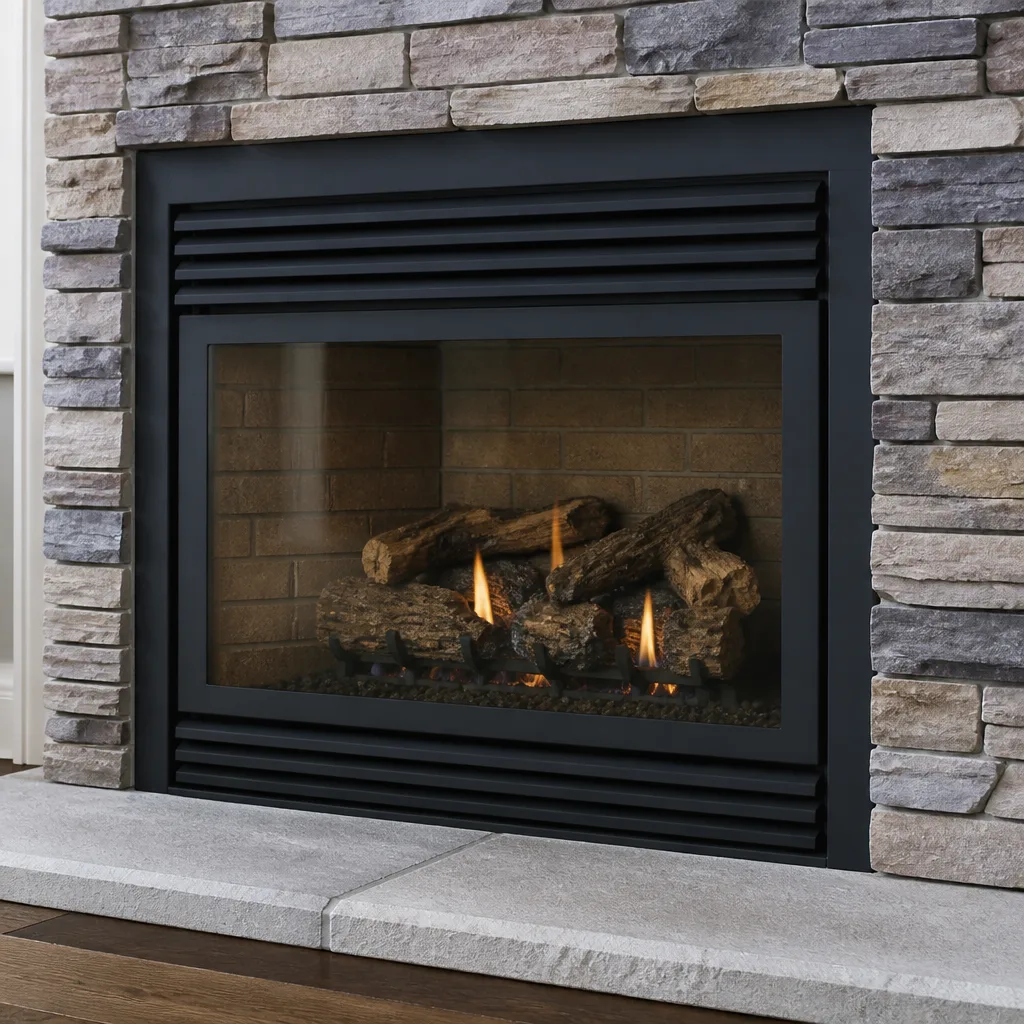 Gas fireplace service
Level 1 sweep and inspection to the NFPA 211 annual standard - flue, crown, cap, and flashing checked and photographed
Chimney sweep logs do not sweep chimneys. They loosen some creosote - which then falls where a brush and vacuum still have to collect it.
Choosing the Right Chimney Cleaning Brand: A Buyer’s Guide for Bolingbrook
Here’s something most Bolingbrook homeowners don’t realize until it’s too late: two contractors can both call themselves “chimney sweeps” and deliver completely different services. One shows up with a shop vac from a big-box store and a wire brush that’s been rattling around a van for years. The other arrives with a commercial HEPA filtration system, a rotary cleaning head sized to your specific flue dimensions, and a video camera that documents every inch of the inspection. Same job title. Same price range, sometimes. Entirely different outcome. This guide walks through what actually separates a diagnostic specialist from a cosmetic cleaner, which materials and brands signal real repair capability, and how to evaluate a chimney company before you ever pick up the phone. For more, see our Complete Chimney Sweep Guide for Bolingbrook Homeowners.
Styles & brands we work with
Quick Answer
The right chimney cleaning company in Bolingbrook is a dedicated venting specialist who uses professional-grade equipment, stocks repair materials from recognized industry brands like Olympia Chimney and Copperfield, and documents their findings with video inspection rather than a verbal “looks fine to me.” When a contractor carries commercial-grade materials rather than consumer substitutes, they can usually identify and fix structural problems during the same visit instead of recommending a sweep today and a mystery repair quote weeks later.
Table of Contents
- The Three Equipment Tiers: What Your Sweep’s Truck Reveals
- Why Brand Names in the Truck Matter More Than the Logo on the Van
- Reading Reviews Like a Chimney Professional: Diagnostic Language vs. Cosmetic Language
- The Specialty Question: Venting Specialist vs. General Home Services Company
- Material Sourcing: The Difference Between Commercial-Grade and Consumer-Grade Repairs
- Bolingbrook’s Climate and Your Chimney: Why Local Conditions Change the Math
- Seven Questions to Ask Before Booking a Chimney Cleaning
- Common Mistakes to Avoid
- When to Call a Professional
- Frequently Asked Questions
- The Bottom Line
The Three Equipment Tiers: What Your Sweep’s Truck Reveals
In our experience cleaning chimneys across DuPage and Will counties, the equipment a contractor shows up with tells you more about the service you’ll receive than any estimate. Chimney cleaning equipment falls into three basic tiers, and each tier corresponds to what the technician can actually see, remove, and diagnose.
Tier 1: Entry-Level Equipment. A shop vacuum, a basic wire brush set from a hardware store, and a flashlight. This setup removes loose soot and some creosote from a straight chimney. What it cannot do: reach into offset flues, remove glazed or stage-three creosote, identify hairline cracks, or document the condition of the flue liner. A Tier 1 sweep is essentially a brushing service. The technician may be perfectly honest, but their equipment limits what they can tell you about your chimney.
Tier 2: Mid-Grade Equipment. A dedicated soot vacuum with basic filtration, interchangeable brush sizes, and a drop cloth game that actually keeps your living room clean. A Tier 2 technician can handle most straight and mildly offset chimneys and will catch obvious problems like large cracks or significant creosote accumulation. What Tier 2 still lacks is documentation. Without a camera, the homeowner is taking the technician’s word for the condition of a flue they cannot see themselves.
Tier 3: Professional-Grade Equipment. A commercial HEPA-filtered vacuum system that keeps fine particulate out of your home’s air, rotary cleaning heads with nylon or poly brushes sized to the flue, and, critically, a video inspection system that records the condition of the flue liner from top to bottom. This is the tier where “chimney sweep” becomes “chimney diagnostic technician.” A Tier 3 visit includes photo or video evidence of what was found, what was cleaned, and what may need attention. When Summit Peak Chimney Sweep works in Bolingbrook, our process follows this tier because a sweep without documentation is just a guess with good intentions.
The equipment tier also determines what happens after the cleaning. A Tier 1 technician who finds flue damage can hand you a business card for a repair company you’ll have to vet separately. A Tier 3 technician with repair materials on hand can often address minor issues immediately or provide a documented repair quote based on camera evidence rather than guesswork.
Why Brand Names in the Truck Matter More Than the Logo on the Van
Every chimney company has a logo on a van. Very few have a meaningful inventory on that van. The distinction matters because chimney repair is a materials business as much as it is a labor business. A sweep who stocks professional-grade components is equipped to fix problems. A sweep who stocks nothing but brushes and a vacuum is equipped only to clean and refer.
Professional chimney contractors nationwide source from a relatively small list of recognized manufacturers. When you hear names like Olympia Chimney, Copperfield, and Gelco, you’re hearing the language of a contractor who orders from industrial supply chains, not the shelf at a retail store. These brands produce stainless steel liner components, caps, chase covers, water repellents, and sealants that are engineered for the thermal cycling and moisture exposure that chimneys actually experience in northern Illinois.
Here’s why that matters in practice. A consumer-grade chimney cap from a hardware store may fit, but it’s often made from thinner gauge metal with a basic screen that corrodes within a few Illinois winters. An Olympia Chimney or Copperfield cap is built to the same specifications that commercial chimney contractors specify on new construction and major renovation projects. The difference in material cost is modest. The difference in service life is measured in years, sometimes a decade or more.
The same logic applies to sealants and water repellents. A chimney crown that’s treated with a masonry-grade product from Gelco stands up to freeze-thaw cycles differently than one sealed with a consumer acrylic product. In Bolingbrook, where winter temperatures routinely swing across the freezing point, freeze-thaw damage is one of the most common causes of chimney crown failure we see. The materials used in the repair determine how soon that repair needs to happen again.
When you call a chimney company, ask what brands they stock for repair work. A contractor who can name their suppliers without hesitation is telling you they’re prepared to fix what they find. A contractor who hesitates, or says they “can get whatever you need,” is telling you their scope ends at the brush.
Reading Reviews Like a Chimney Professional: Diagnostic Language vs. Cosmetic Language
Online reviews are useful for chimney contractors, but only if you read them for the right signals. Most homeowners scan for star ratings and a general sense of “were they nice.” A chimney professional reads reviews for evidence of diagnostic behavior. The language matters more than the rating.
Cosmetic cleaning language sounds like this: “They were in and out in 45 minutes, very friendly, swept the fireplace and left everything clean.” There’s nothing wrong with this review, but notice what’s absent. No mention of what the technician found. No mention of creosote levels, liner condition, cap damage, or recommendations. This describes a brushing, not an inspection.
Diagnostic visit language sounds like this: “They showed me photos from the camera inspection, explained that we had stage two creosote in the upper third of the flue, and pointed out hairline cracking in the clay liner. They gave me a quote for repairs but said we could safely wait a season if we wanted.” That review describes a technician who looked, documented, explained, and prioritized. That’s the service level Bolingbrook homeowners should expect when they pay for a chimney cleaning.
Here’s a practical method for evaluating reviews:
- Search reviews for the word “showed.” Reviews that mention the technician showing the homeowner something (photos, video, the problem itself) indicate documentation, not just assertion.
- Look for named problems. Creosote stage, liner crack, cap replacement, flashing repair, flue tile damage. If negative reviews mention the technician flagged issues, that’s actually a positive signal about thoroughness.
- Watch for equipment mentions. HEPA, camera, rotary, video inspection. These indicate professional-grade tools.
- Be wary of uniformly vague positives. Fifty reviews that all say “great service, highly recommend” with no specifics suggest either templated reviews or a customer base that can’t articulate what they received.
- Read the 3-star reviews. These are usually the most informative. A 3-star review from someone who was annoyed that the technician “found too many problems” is evidence of a thorough inspector.
When we work in Bolingbrook, we treat the video inspection report as a standard part of the sweep, not an add-on. The homeowner should always see what we see. If a company cannot or will not show you the inside of your own chimney, ask why.
The Specialty Question: Venting Specialist vs. General Home Services Company
Bolingbrook has no shortage of home services companies. Some generalist firms offer chimney sweeping as one of twenty services, alongside gutter cleaning, pressure washing, and window repair. There’s a structural reason to prefer a dedicated venting specialist, and it comes down to depth of inventory and depth of diagnostic habit.
A generalist home services company treats chimney sweeping as a checklist item. The technician is cross-trained across multiple service lines, which means their chimney knowledge is deliberately shallow. They can run a brush. They can point a flashlight. They cannot distinguish a stage-two creosote glaze from a stage-three hard glaze that requires mechanical removal, because their training was a one-day module, not a career. They don’t stock liner components because those components don’t fit their other service lines. When they find a problem, they refer it out. You’re left coordinating a second company, a second visit, and a second round of vetting.
A dedicated venting specialist lives in one world: chimneys, flues, and exhaust systems. The technician has seen hundreds of Bolingbrook fireplaces across every era of construction, from 1970s ranch homes with clay tile liners to newer construction with factory-built units to 1990s homes with rusting metal liners. That pattern recognition is the difference between “I think this might be a problem” and “this is the third home this month in this neighborhood with this exact liner failure pattern.”
The inventory difference is equally important. A specialist who stocks professional-grade repair materials can often transition from “sweep” to “repair” in the same visit. A generalist transitions from “sweep” to “here’s a referral.” The Summit Peak Chimney Sweep home approach reflects this: we carry the materials we need for the repairs we’re most likely to find, because the whole point of inspecting is being prepared to act on what the inspection reveals.
There’s also the dryer vent question, which most generalists and even many chimney companies treat as an afterthought. A clothes dryer exhaust is, functionally, a small chimney. It carries combustion byproducts and hot air out of your home. It accumulates lint, which is combustible. The same diagnostic discipline that applies to a fireplace flue applies to a dryer vent, but only if the contractor treats it as a venting system rather than a chore. A specialist who stocks Famco vent components understands dryer venting as a system with specific requirements for termination, airflow, and material. That’s a different service than running a brush through a tube.
Material Sourcing: The Difference Between Commercial-Grade and Consumer-Grade Repairs
If your chimney cleaning reveals damage, the next conversation is about repair materials. This is where the brand names in a contractor’s inventory become the deciding factor in repair longevity. The distinction isn’t about snobbery. It’s about material specifications and how they perform in northern Illinois weather.
Consumer-grade chimney products are built to a price point for the DIY market. Think hardware store chimney caps made from thin galvanized steel, acrylic sealants sold in caulk tubes, and universal-fit connectors that sort of work on most sizes. These products exist for a reason: they’re accessible, and for minor applications they’re adequate. But a chimney is not a minor application. It’s exposed to direct rain, snow, ice, and thermal cycling from interior fire heat to exterior subzero temperatures, sometimes within the same day.
Commercial-grade products from manufacturers like Olympia Chimney and Copperfield are engineered for that environment. The stainless steel is a heavier gauge. The mesh on caps is sized to prevent ember escape while maintaining draft. The termination hardware is designed for specific flue dimensions, not universal fit. The sealants from a company like Gelco are formulated for masonry chimney crowns, with elasticity that accommodates the expansion and contraction cycles that crack rigid consumer products.
There’s a cost difference, and it’s real but modest. A commercial-grade cap might cost 30 to 50 percent more than a consumer equivalent. Spread across a service life that’s two to three times longer, the annualized cost favors the professional product. And when repair labor is part of the equation, the product cost is a small fraction of the total bill. Saving $40 on a cap that fails in three years means paying labor again in three years. That’s not economy. That’s deferred expense.
Bolingbrook’s climate makes this material decision more acute than in milder regions. The freeze-thaw cycling that damages chimney crowns and masonry is a direct function of winter temperature swings. A sealant that cannot flex will crack when moisture trapped in the masonry freezes and expands. A cap that corrodes will expose the flue to that moisture in the first place. The material choice isn’t about what’s on the shelf. It’s about what survives the weather.
Bolingbrook’s Climate and Your Chimney: Why Local Conditions Change the Math
Chimney cleaning is a seasonal need everywhere, but the specifics of Bolingbrook’s weather make annual inspection a different calculation than it might be in a milder climate. See The Complete Guide to Chimney Cleaning in Bolingbrook for a full breakdown. We’re at the edge of the Chicago metro’s winter system, which means cold, wet, and freeze-thaw cycles that work against masonry and metal in ways that southern Illinois simply doesn’t experience.
Here’s the specific pattern. Bolingbrook winters see temperatures that cross the freezing point frequently, sometimes daily. Each crossing is a cycle of expansion and contraction for any moisture that has worked its way into chimney masonry or settled on metal components. Over a single winter, that’s dozens of cycles. Over five years, that’s hundreds. The hairline crack that a camera inspection catches in year three is the structural repair that a homeowner in a warmer climate might not face for another decade.
Creosote accumulation also follows local patterns. Homes in Bolingbrook that burn wood through the heating season accumulate creosote at a rate that depends on burn habits, wood quality, and appliance type. Unseasoned wood, which is common when homeowners buy from casual suppliers rather than dedicated firewood yards, produces significantly more creosote per cord. The type of creosote matters too: the hard, glazed stage-three deposits common in our wet winters cannot be removed with a wire brush alone. They require rotary cleaning, and they’re a primary contributor to chimney fires.
The practical takeaway for Bolingbrook homeowners is this: schedule cleaning and inspection annually, before burning season. If you use your fireplace regularly, annual is not optional. The cheap fireplace insert that was installed twenty years ago has now weathered twenty northern Illinois winters, and the components that protected it are due for replacement. A sweep that includes video inspection catches these issues while they’re still small, specific, and affordable.
Seven Questions to Ask Before Booking a Chimney Cleaning
The best defense against a cosmetic cleaning is a set of direct questions asked before the technician ever arrives. Here’s the list we recommend Bolingbrook homeowners use:
- “Do you perform a video inspection with every cleaning?” If the answer is anything but an unqualified yes, keep looking. A chimney you cannot see is a chimney you cannot evaluate.
- “What equipment do you use for creosote removal?” Listen for “rotary” and “HEPA.” These indicate professional-grade tools. A wire brush and shop vac is entry-level.
- “What repair materials do you keep on the truck?” A contractor who stocks stainless steel components, sealants, and liner materials is prepared to fix. A contractor who stocks only brushes is prepared to refer.
- “Which manufacturers do you source parts from?” Names like Olympia Chimney, Copperfield, and Gelco indicate a professional supply chain. If the answer is “whatever the supply store has,” that’s a red flag.
- “Can you show me the condition of my flue liner after the sweep?” Documentation is the difference between a sweep and a diagnosis. If they can’t show you, they probably can’t see it either.
- “Do you handle chimney repairs, or do you refer them out?” A full-service provider reduces your coordination burden and is motivated to give you accurate repair quotes based on what they actually saw.
- “Do you clean dryer vents as well?” This tells you whether you’re working with a venting specialist or a fireplace-only technician. A dryer vent is a combustion exhaust system that carries the same fire risk profile as a chimney. A company that treats both with equal seriousness is a company that thinks in systems, not services.
These questions take two minutes to ask. The answers can save you a decade of deferred maintenance or a second service call to fix what the first company didn’t catch.
Common Mistakes to Avoid
- Hiring on price alone. The cheapest Bolingbrook chimney sweep is often the one with the least equipment and the least training. A low price for entry-level equipment is not a bargain; it’s a market signal about service depth.
- Skipping the video inspection. Accepting a verbal “all clear” from a technician who couldn’t actually see the upper flue is how cracked liners go unnoticed for years. Camera documentation is the standard for a reason.
- Assuming a generalist home services company saves time. Bundling services sounds efficient, but a chimney sweep performed by a cross-trained generalist is a shallower inspection than one performed by a dedicated venting specialist. The time saved in scheduling is often lost in a referral to a specialist anyway.
- Treating the chimney cap as optional. A missing or damaged cap is an open invitation for Illinois rain and snow into your flue. The cap is the first line of defense against moisture damage, and it’s a cheap fix relative to the liner damage it prevents.
- Ignoring the dryer vent because “it’s just lint.” Lint is combustible material accumulating in a heated exhaust system. A dryer vent is a chimney you never think about, and it’s a leading cause of residential fires that most chimney companies don’t even address.
- Waiting until burning season to schedule. Bolingbrook’s fall chimney demand means waits stretch for weeks. Scheduling in late summer or early fall gets you on the calendar before the rush and gives you time to address repairs before the first fire.
- Choosing a sweep-only company for a repair issue. If your chimney has known damage, hiring a company that cannot execute repairs means paying for two visits from two companies and coordinating between them. A full-service provider does both in one call.
When to Call a Professional
Some situations clearly call for a professional chimney technician rather than a DIY check. If you notice a strong smoky odor in the house even when the fireplace isn’t in use, that’s a draft or liner issue that needs diagnosis. If you see flaking or spalling on the exterior masonry, moisture has penetrated the structure. If you hear animals in the chimney, you have an uncapped flue that’s open to the elements. If your fireplace has burned through more than a cord of wood since its last cleaning, creosote accumulation is likely beyond what a visual check can assess. And if your dryer is taking longer than 45 minutes to dry a load, the vent is likely restricted, which is both a fire risk and an energy cost. Not sure whether to tackle it yourself or call a pro? Read our DIY vs Professional Chimney Cleaning: The Bolingbrook Homeowner’s Decision Guide. Summit Peak Chimney Sweep offers free estimates in Bolingbrook. Call (855) 382-3714 to schedule a cleaning, inspection, or repair evaluation.
Frequently Asked Questions
Chimney cleaning in Bolingbrook typically runs from $180 to $350 depending on the flue type, creosote level, and whether a video inspection is included. A basic sweep without camera documentation sits at the low end; a full inspection with documentation and a detailed report sits at the higher end. That price difference reflects what you’re actually receiving. Call (855) 382-3714 for an exact quote based on your fireplace type and current condition.
The National Fire Protection Association recommends annual inspection, with cleaning performed when creosote reaches 1/8 inch of accumulation. For Bolingbrook homeowners who burn wood regularly through the heating season, annual cleaning is the practical standard. If you burn unseasoned wood, use the fireplace daily, or have an older stove, you may need cleaning twice per season.
A sweep removes creosote and soot from the flue. An inspection evaluates the structural condition, clearances, cap, crown, flashing, and liner integrity. At a professional level, the two are performed together, with video documentation so you can see the condition of your flue rather than taking someone’s word for it. A sweep without inspection is half a service.
Sometimes a deteriorating clay liner can be resurfaced rather than fully replaced, depending on the extent of the damage. HeatShield and similar products are designed specifically for this application, restoring flue integrity without the cost of a full reline. The key is getting a camera inspection so you can see exactly what condition the liner is in rather than accepting an upsell on faith. If the liner is intact but the surface is spalling, restoration is worth evaluating. If the liner is cracked through, replacement may be the only safe option. Call (855) 382-3714 for an honest assessment based on what the camera actually shows.
Creosote accumulates with every fire, and it’s combustible. The type of creosote that forms in Bolingbrook’s wet winters is often the hard, glazed variety that’s both the most difficult to remove and the most likely to fuel a chimney fire. Even if a chimney fire doesn’t occur, accumulated creosote traps moisture against the flue liner, accelerating deterioration. A few skipped years can turn a routine cleaning into a structural repair.
Yes. Clothes dryers are the source of thousands of residential fires annually, and restricted dryer vents are among the leading causes. A dryer exhaust is a venting system that carries hot air and lint, and when that lint accumulates in the vent pipe, it becomes combustible material in a heated airstream. A dryer vent is a chimney you never think about, which is exactly why it deserves the same annual attention as your fireplace flue.
The Bottom Line
Choosing a chimney cleaning company in Bolingbrook is choosing between service levels that happen to share a job title. The equipment tier reveals what your technician can actually see. The brands in the truck reveal what they can actually fix. The reviews reveal whether their customers received documentation or just a friendly wave. A dedicated venting specialist with professional-grade materials costs more than a generalist with a shop vac, but the cost difference is small compared to the cost of missed structural damage, deferred repairs, or a chimney that fails because it was cleaned but never inspected. Schedule with a specialist who can show you the inside of your flue, fix what the camera finds, and treat your dryer vent with the same seriousness as your chimney. For additional guides and resources, visit our blog. That’s the service level that makes annual maintenance a long-term investment rather than a recurring gamble.
Written by the team at Summit Peak Chimney Sweep, serving Bolingbrook since 2018.
See the difference
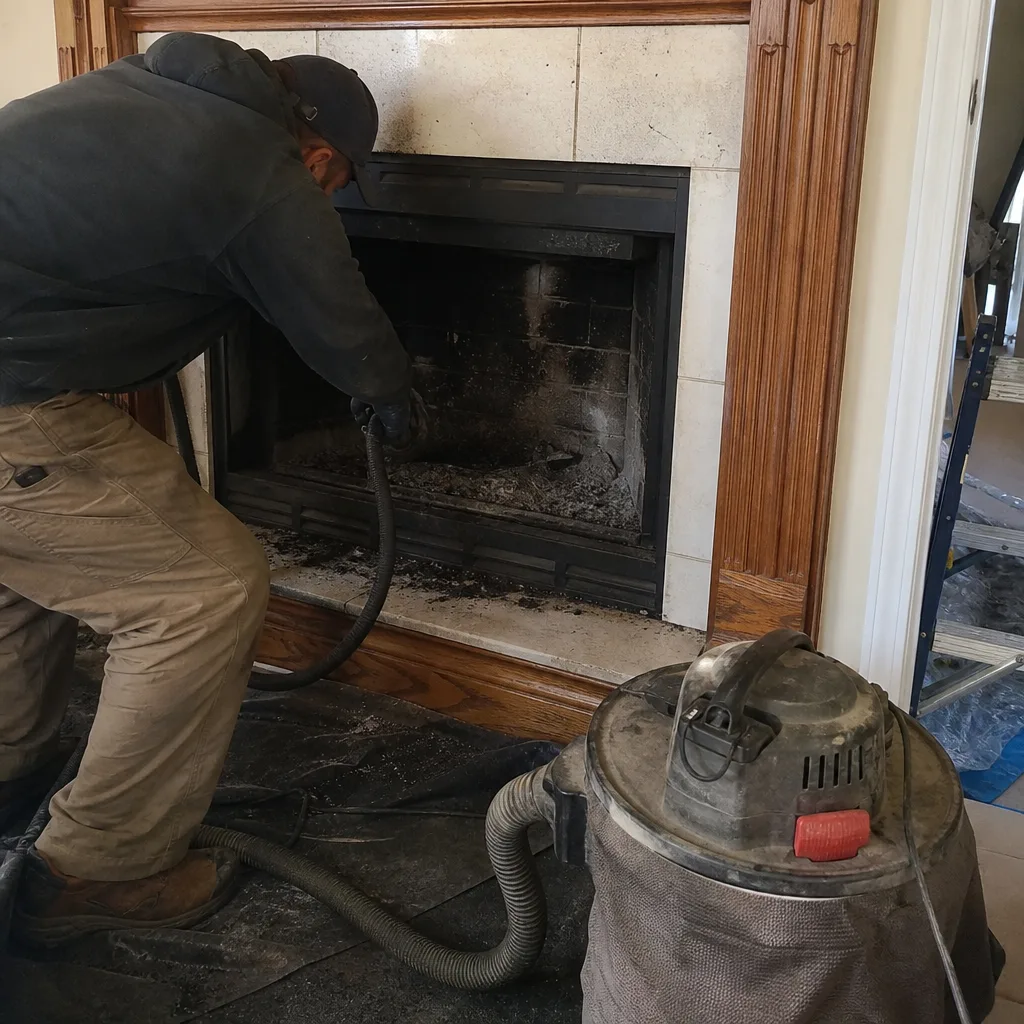 Before
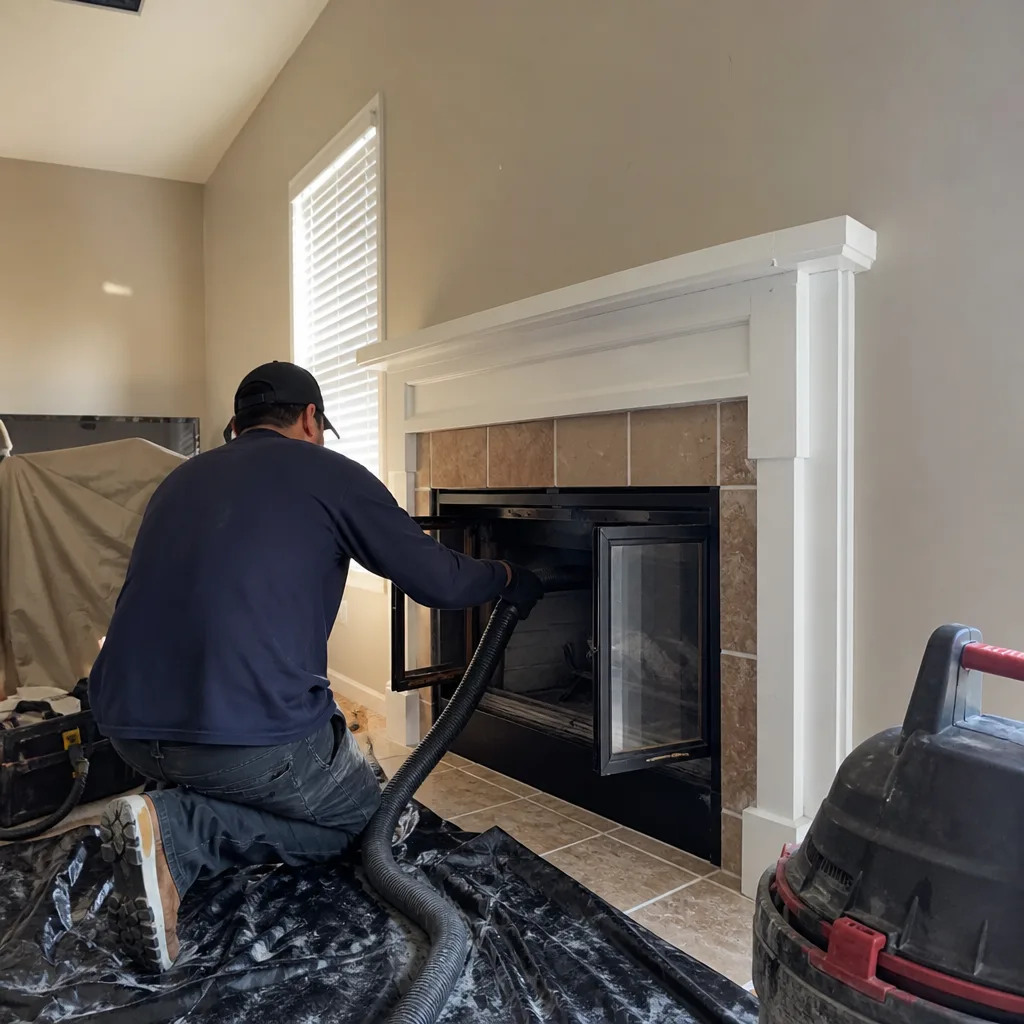 After
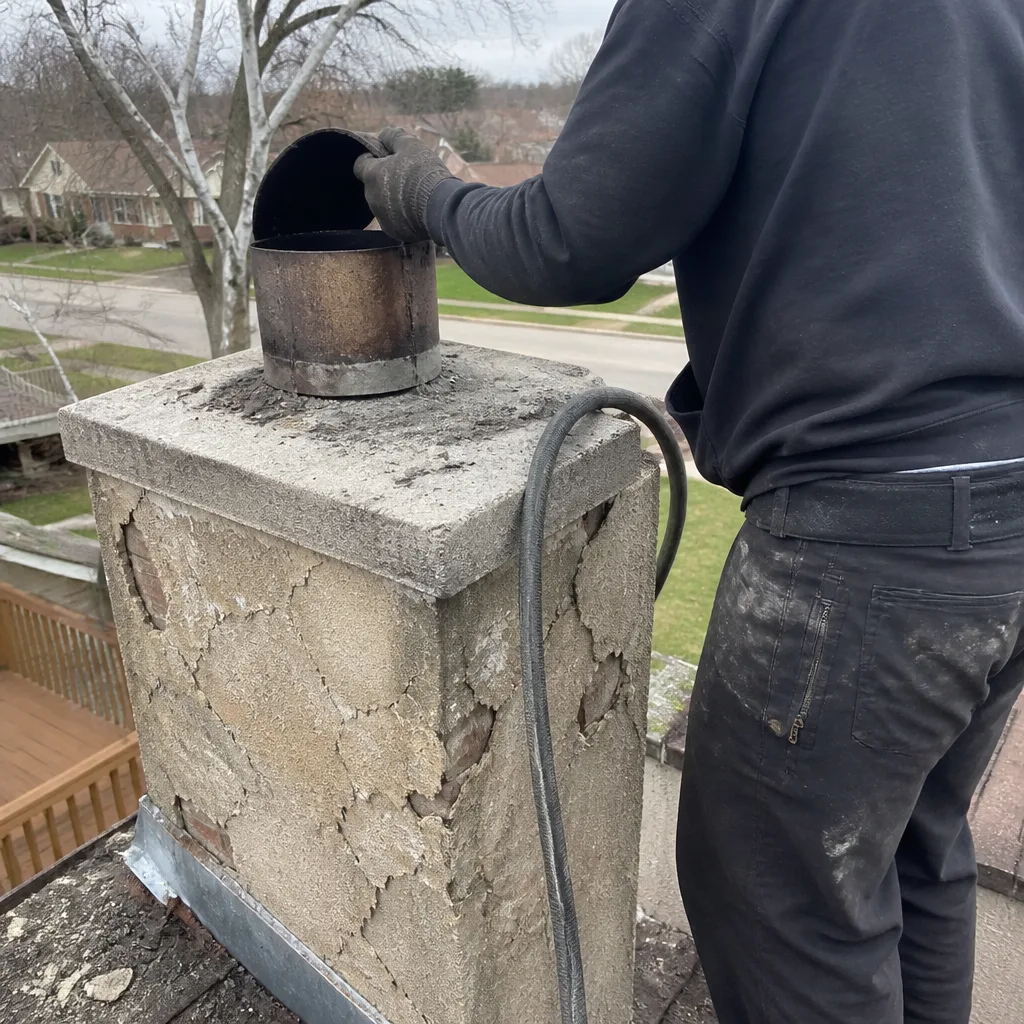 Before
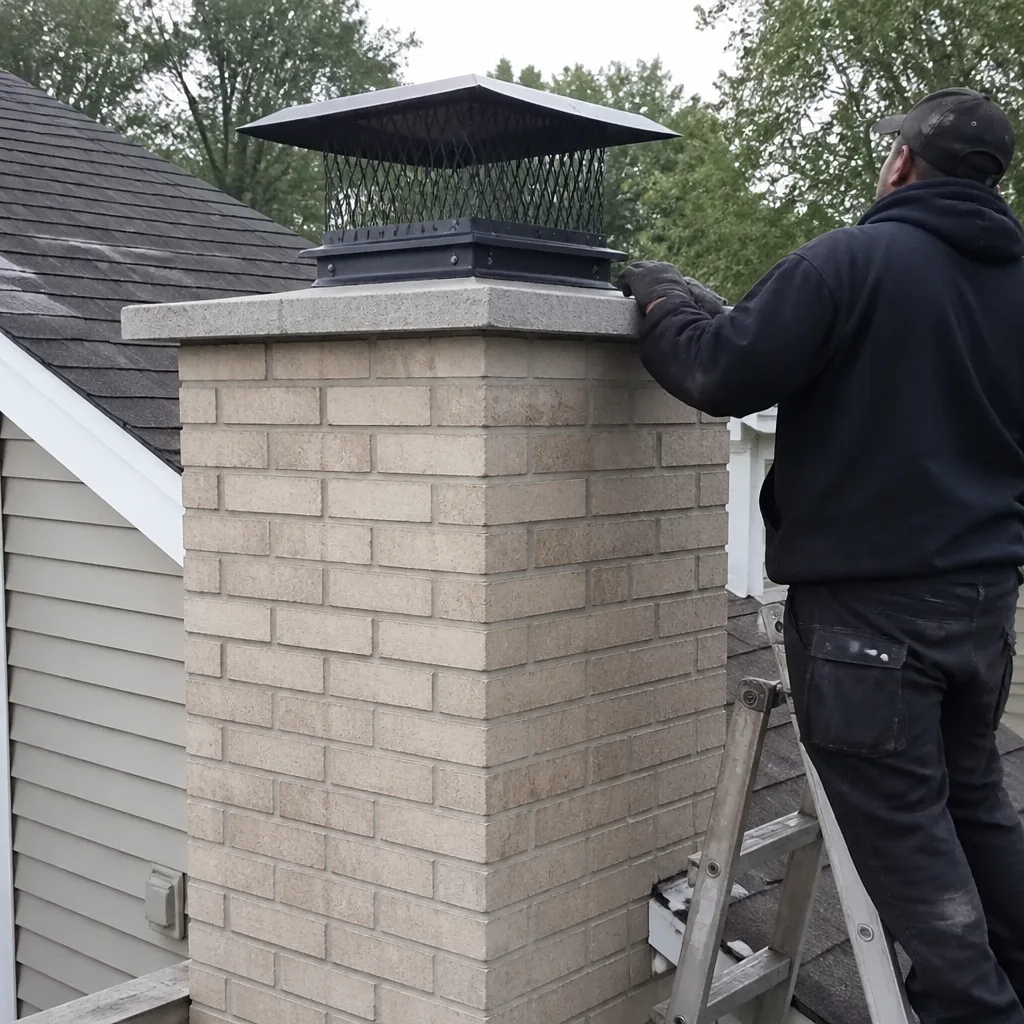 After
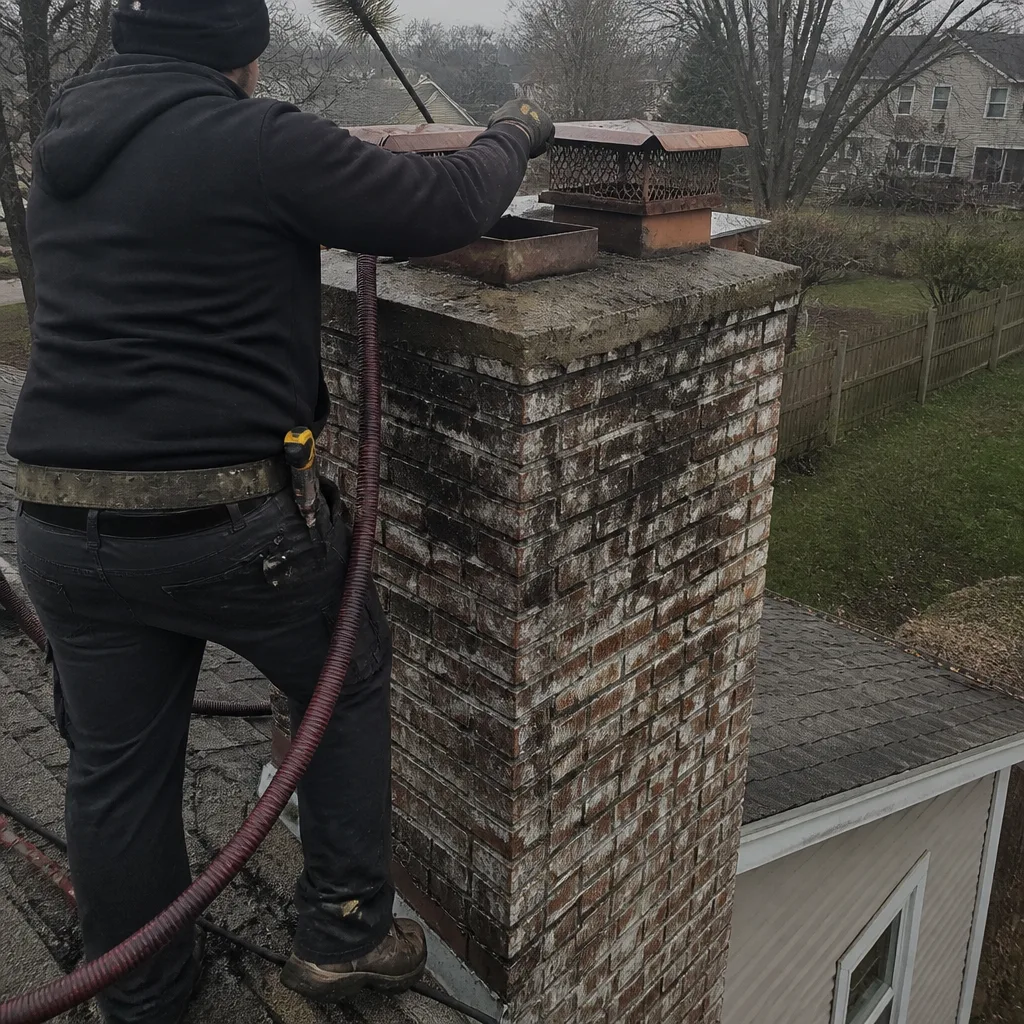 Before
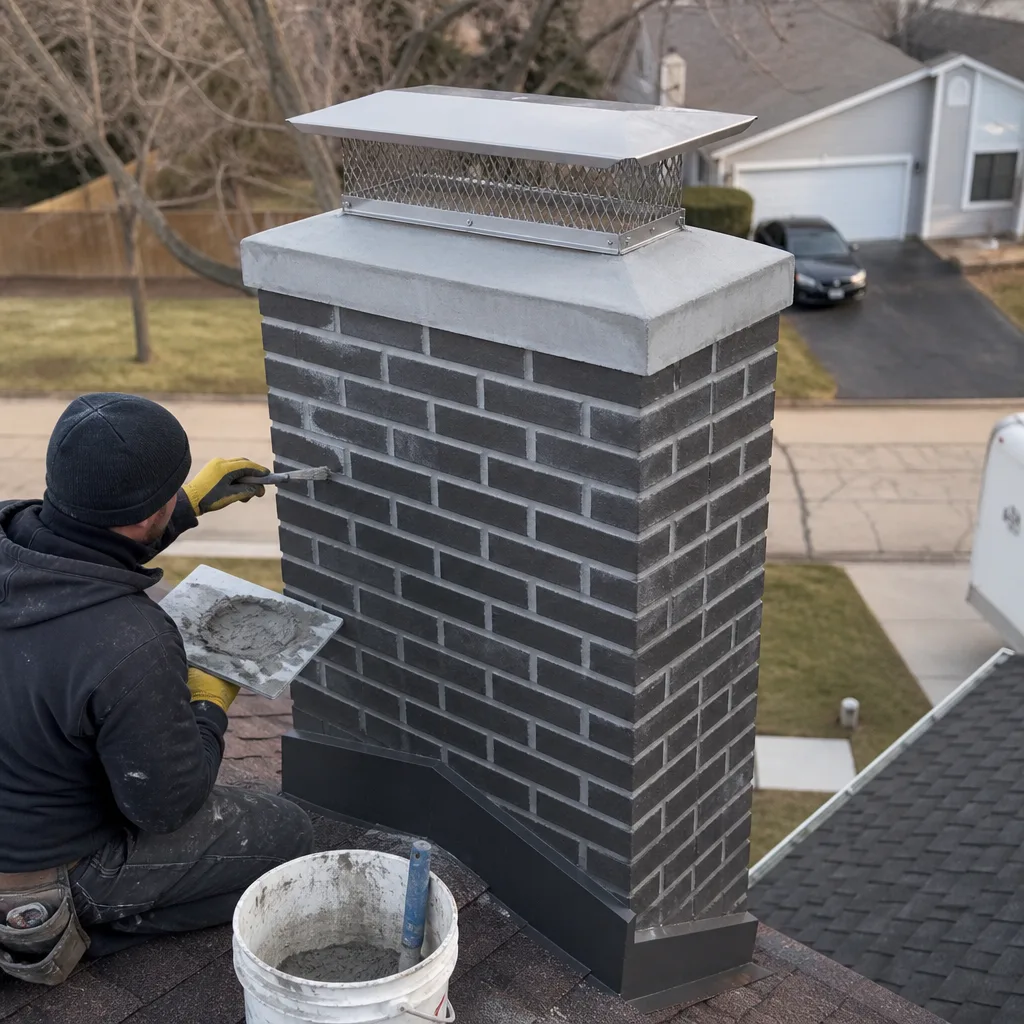 After