Last updated October 30, 2026
 Sweep & inspection
 Caps & crowns
 Flue relining
 Masonry repair
 Gas fireplace service
Level 1 sweep and inspection to the NFPA 211 annual standard - flue, crown, cap, and flashing checked and photographed
Chimney sweep logs do not sweep chimneys. They loosen some creosote - which then falls where a brush and vacuum still have to collect it.
Chimney Sweep Troubleshooting: Common Problems and How to Fix Them
Smoke coming back into the room during a fire is not always a dirty flue. In fact, cleaning a chimney with a draft problem caused by a damaged damper or negative house pressure will change nothing, and the next sweep call proves it. Homeowners across Bolingbrook call us every winter describing the same handful of symptoms: smoke rollout, stubborn odors, cold drafts, water stains. Most of those symptoms have root causes that have nothing to do with how much creosote is sitting in the flue. This guide matches what you are seeing and smelling in your home to the specific mechanical failure behind it, then explains which fix actually solves the problem, which materials are appropriate, and which issues need a professional diagnosis rather than a sweep-and-hope approach.
Styles & brands we work with
Quick Answer
Most chimney problems are draft failures. Smoke rollout, persistent backdraft, summer odors, and water staining each point to a specific mechanical cause: a failed damper, a tight house starving the flue for air, moisture intrusion through a cracked crown, or a damaged cap. Cleaning a chimney with a draft failure does not fix it, and a proper chimney sweep inspection identifies the cause before any repair is recommended.
Table of Contents
- Smoke Rollout vs. Delayed Ignition vs. Persistent Backdraft: Telling Them Apart
- The Stack Effect in Tight Homes: Why Clean Flues Still Backdraft
- Damper Seal Failure vs. Cap and Crown Problems: A Flashlight Diagnosis
- Why Creosote Odor in Summer Points to Moisture, Not a Dirty Flue
- Sweep-and-Done Fixes vs. Repairs That Must Precede Any Meaningful Sweep
- A Dryer Vent Is a Chimney You Never Think About
- Common Mistakes to Avoid
- When to Call a Professional
- Frequently Asked Questions
- The Bottom Line
Smoke Rollout vs. Delayed Ignition vs. Persistent Backdraft: Telling Them Apart
We hear the phrase “the chimney is smoking” used to describe three completely different events. They are not the same failure, and fixing the wrong one wastes a service call. The first distinction is timing. Smoke rollout happens after the fire is burning, when smoke spills from the fireplace opening into the room. Delayed ignition is a gas-appliance event: a small “whoomp” or pop when the burner finally lights after gas has been sitting in the firebox. Persistent backdraft is continuous smoke migration into the living space every time the appliance runs, regardless of how well the fire is established. Each one points somewhere different.
Smoke rollout typically indicates a draft interruption: a flue that cannot establish or maintain adequate negative pressure to pull combustion gases upward. In Bolingbrook, where winters run long and cold, we often find rollout starts when the chimney flue is colder than the room air it is supposed to exhaust. Cold air is dense. It sits in the flue like a plug. Until that air column warms and reverses direction, smoke has nowhere to go but out the glass doors or firebox opening. Persistent rollout, even once the flue warms, is different, and usually points to a damaged throat damper, a partially blocked flue, or negative house pressure.
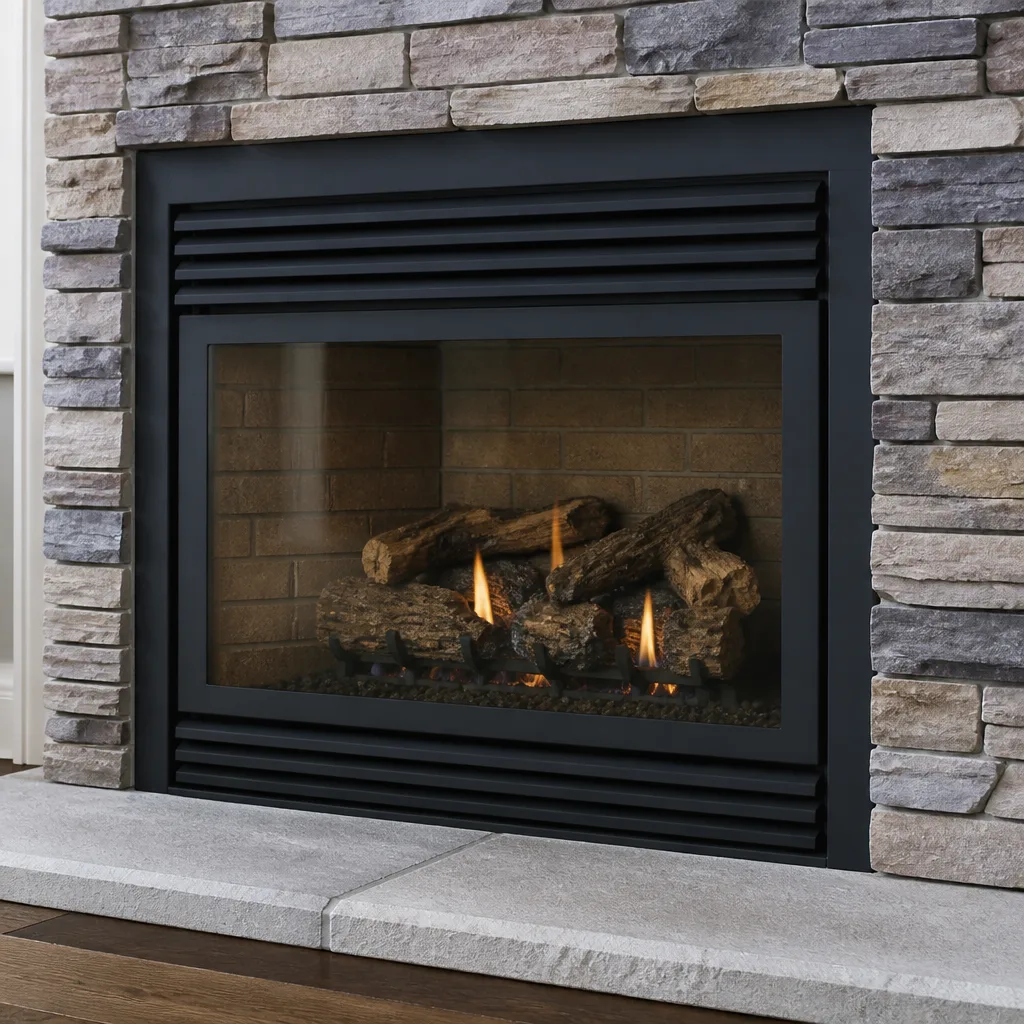
Delayed ignition is not a chimney drafting issue at all. It is an appliance lighting problem. Gas logs, gas inserts, and some water heaters with common venting can develop delayed ignition when the burner ports are dirty, the pilot flame is weak, or the gas pressure is low. The popping sound is gas igniting all at once instead of smoothly. It is startling, but it is a combustion problem inside the appliance, not a flue problem. Delay of more than a few seconds is a safety concern; the firebox can fill with gas. A professional should address it, and the inspection should confirm the appliance is venting correctly once it does light.
Persistent backdraft is the most misunderstood. The flue is clean. The damper is open. The fire is burning. And smoke still rolls into the room, particularly when the furnace kicks on, a bathroom fan runs, or the kitchen exhaust hood is pulling air. That is negative house pressure overpowering the chimney’s natural draft. We see it constantly in newer Bolingbrook and Naperville-area homes, which are built tighter than older housing stock. The house itself is competing with the chimney for air, and the house usually wins.
The Stack Effect in Tight Homes: Why Clean Flues Still Backdraft
The stack effect is the force that should make a chimney work. Warm air rises. A column of heated flue gases is less dense than the outside air, so it rises up the flue, pulling room air into the firebox behind it. That is natural draft, and it depends on a critical condition: the house must have enough makeup air to replace what the chimney is pulling out. A tight house breaks that chain. Built with continuous air barriers, sealed rim joists, taped sheathing, and low-permeability house wrap, a modern home in the Bolingbrook area can hold its air so effectively that the chimney cannot pull what the house will not give up. The chimney starves, and smoke spills back.
Here is how the failure sequence looks in practice:
- The house is at rest, all doors and windows closed. Indoor pressure is roughly neutral.
- A fire is lit. Flue gases warm, natural draft begins, and negative pressure builds at the firebox opening.
- Because the house envelope is tight, incoming replacement air cannot be drawn in fast enough through wall leaks. The interior pressure drops.
- Other exhaust systems, a furnace, water heater, bathroom fan, or range hood, add to the pressure deficit. They become the path of least resistance for combustion gases.
- Smoke backs down the flue and enters the room. The chimney is innocent. The house is holding its air too well.
The fix is not to clean the chimney repeatedly. It is to provide mechanical or passive makeup air. An outside air kit attached directly to the firebox can supply combustion air without depressurizing the room. In some homes, a proper whole-house ventilation solution is warranted. We have walked into Bolingbrook homes with scrupulously maintained flues, spotless fireboxes, and chronic smoking for years. One outside air kit corrects it in an afternoon. The measurement is key: we check house pressure relative to outside with the appliance running and all exhaust fans on. That differential tells us whether the house, not the flue, is the problem.
Damper Seal Failure vs. Cap and Crown Problems: A Flashlight Diagnosis
A flashlight is the most underused diagnostic tool in chimney troubleshooting. It separates damper failures from cap and crown failures without touching the roof. Start at the firebox. Open the damper, aim the light up, and look for three things: daylight at the top, the flue walls, and the damper seat itself. Then close the damper and look again. Light leaking around the closed damper blade means the damper seal has failed. That is a metal-to-metal contact surface that warps with use, rusts from flue condensation, or accumulates enough soot that it never fully seats. A damper that leaks is a permanent hole from your living room to the outdoors.
A failed damper seal shows up in your heating bill first. Warm conditioned air rises through the gap throughout the winter, and moisture carries flue odors downward in summer. We find damper seals failed in roughly a quarter of the chimneys we inspect in Bolingbrook, particularly in homes built before 1990 with original throat dampers. For help selecting components, see our guide on Choosing the Right Chimney Cleaning Brand: A Buyer’s Guide for Bolingbrook. Copperfield manufactures top-sealing damper systems that replace the throat damper entirely with a gasketed cap assembly. The gasket seals at the top of the flue, cutting both heat loss and odor migration. It is a mechanical repair, not a sweep item.
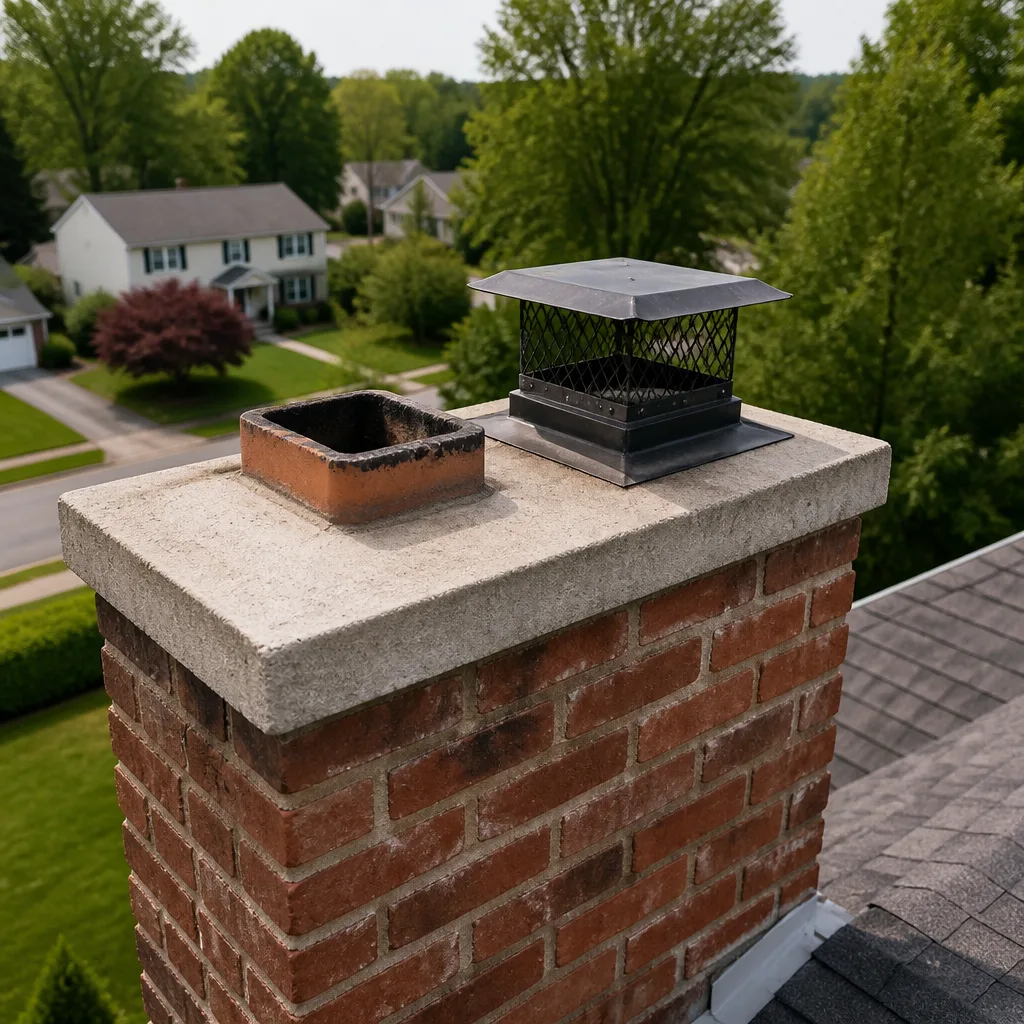
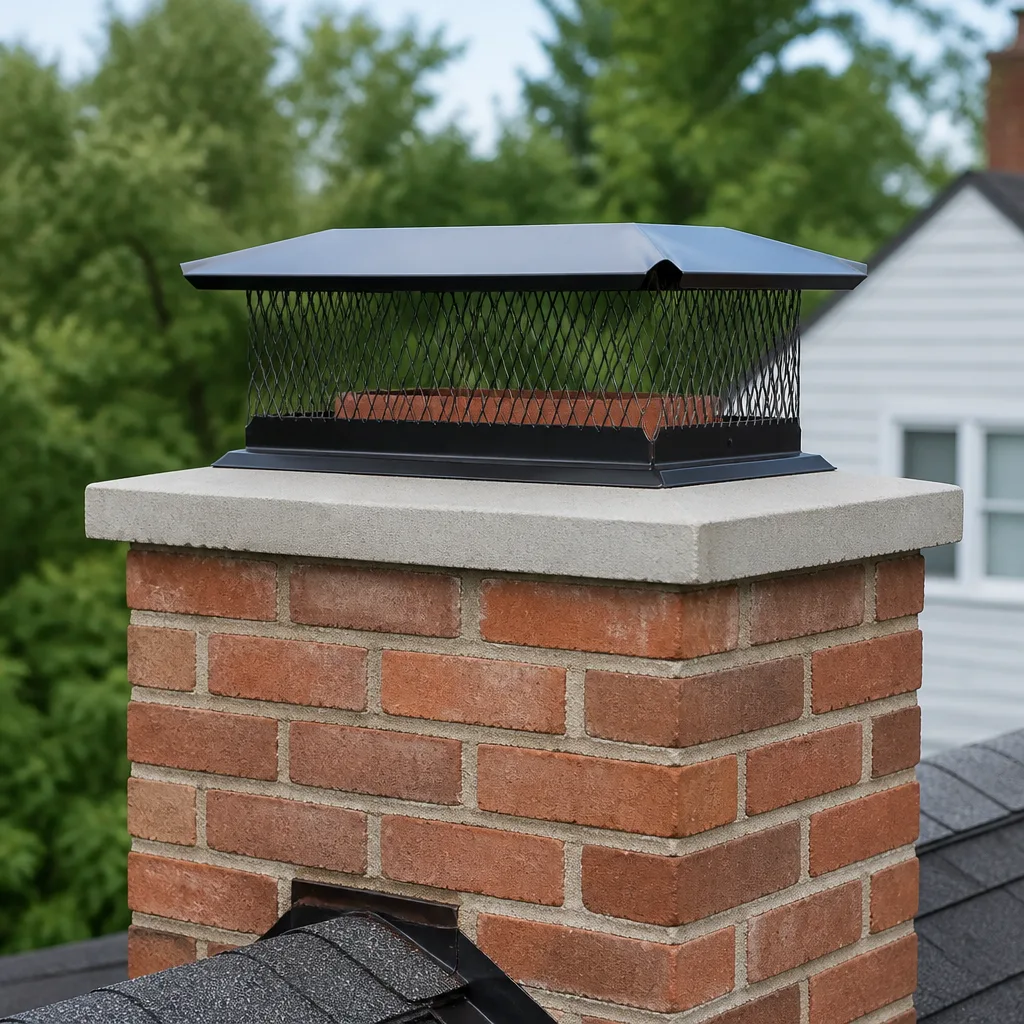
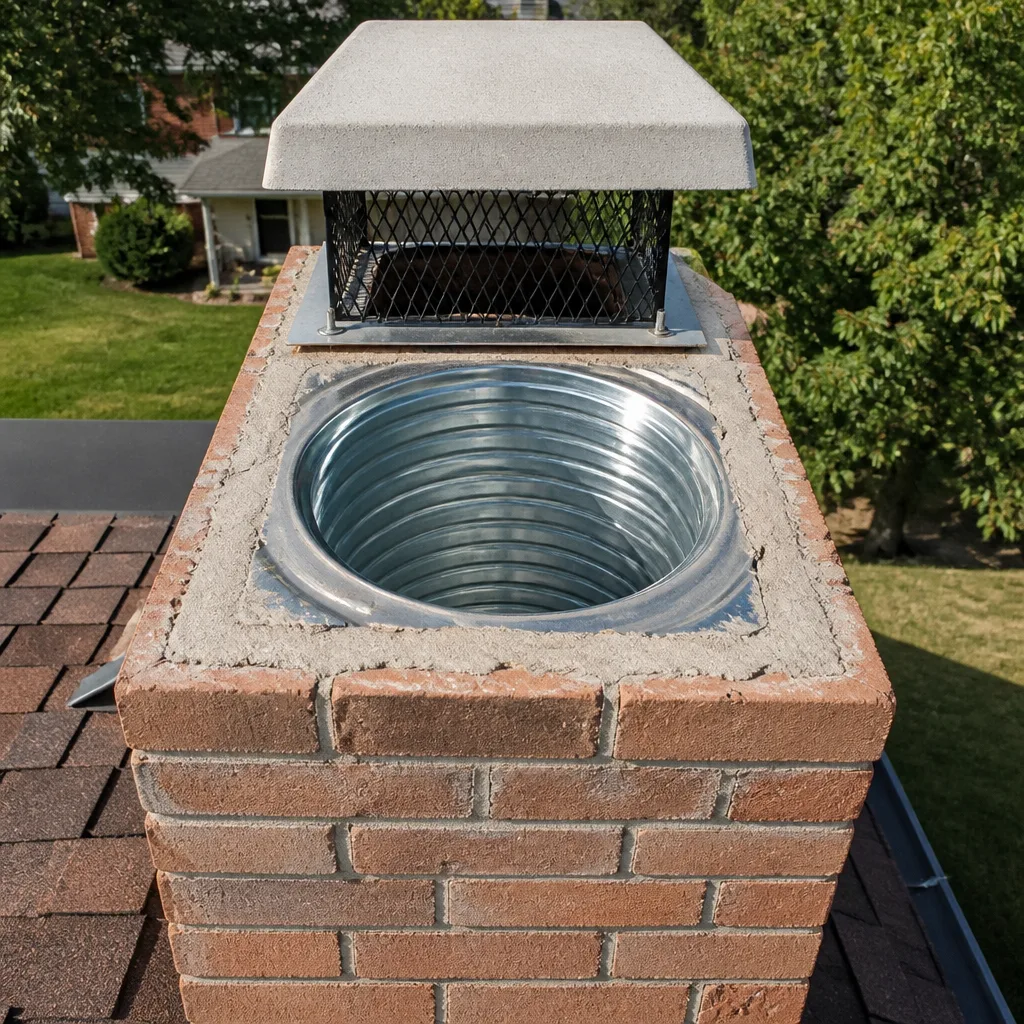
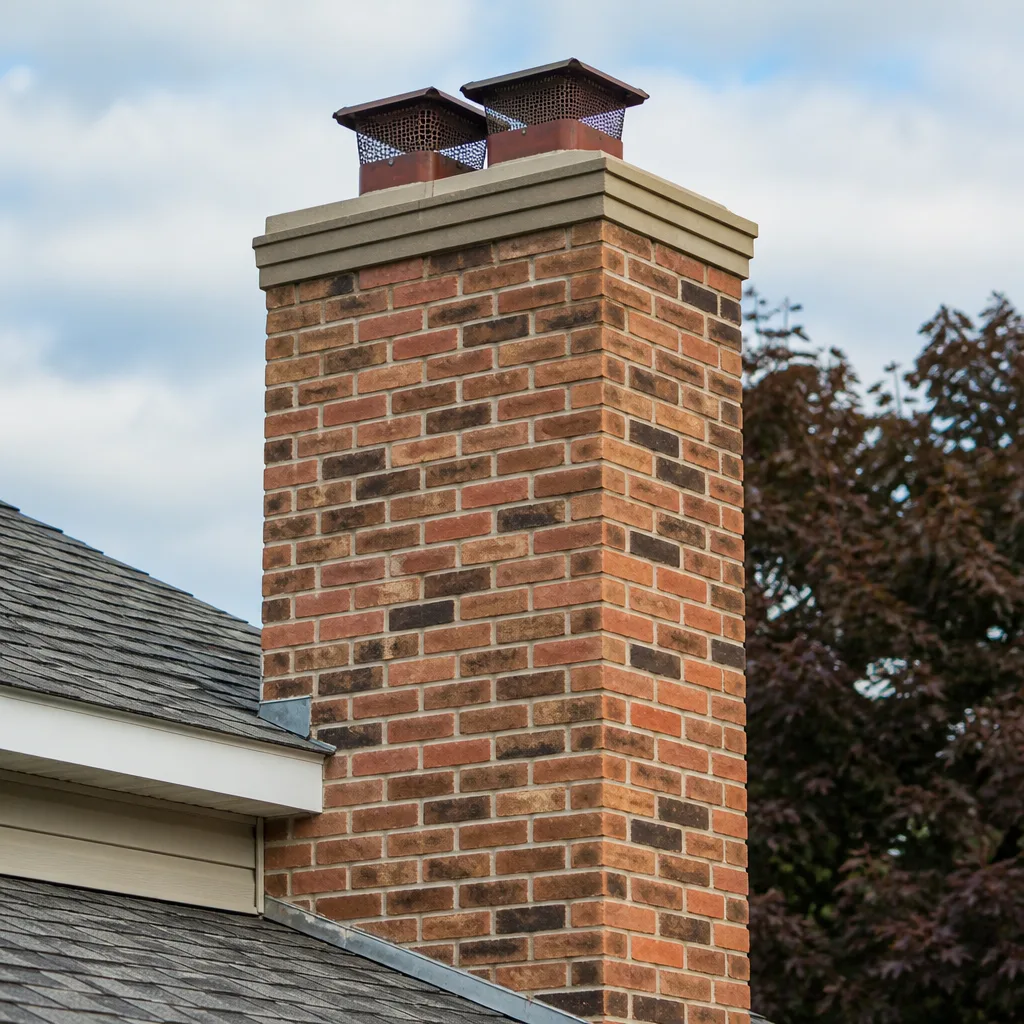
Cap and crown problems look different through the flashlight. Aim the light at the flue liner walls. If you see dark staining, running stains, or spalled flue tile chips resting on the smoke shelf, moisture is entering from above. The cap is a metal cover that keeps rain and animals out of the open flue. The crown is the concrete or mortar surface that caps the chimney structure around the flue. Both fail over time in northern Illinois freeze-thaw cycles. Bolingbrook sees frequent freeze-thaw events in late winter and early spring. Water penetrates hairline cracks in the crown, freezes, expands, and widens the crack. The next rain penetrates deeper. Within a few seasons, water reaches the flue liner and interior masonry.
A smoke test pulls the whole picture together. With the damper closed, a technician introduces a non-toxic smoke candle into the firebox. Smoke migrating up and out the top when the damper is closed confirms the seal is not holding. Smoke pulled through wall registers or appearing near the ceiling confirms a pressure inversion. It is fast, visual, and definitive.
Why Creosote Odor in Summer Points to Moisture, Not a Dirty Flue
Creosote has a smell most people describe as asphalt, soot, or burnt wood. When you smell it in January with the fire roaring, that is normal. When you smell it in July with no fire at all, something else is driving it. The answer in almost every case is moisture. Dry creosote is stable. Wet creosote off-gasses. A chimney damp with rain, condensation, or groundwater will push creosote odor into the living space through the damper, the firebox, or even the wall cavities around the chimney chase.
The moisture enters the flue one of several ways. A cracked crown lets rain run down the flue walls and saturate creosote deposits. A deteriorated cap lets rain in directly. Condensation is the sneakier one. In a humid Illinois summer, warm, damp outside air entering the top of the flue meets the cooler interior surfaces of a chimney shaded by trees or partially below grade. The air cools, moisture condenses on the flue walls, and that moisture reactivates the creosote. The chimney cannot dry itself. The smell persists all season and worsens when air conditioning cycles create slight negative pressure in the house, drawing flue air downward.
This is why summer odor is a moisture diagnosis, not a cleaning diagnosis. A sweep removes the creosote, but if the moisture source remains, the next season’s buildup smells just as bad. The Summit Peak approach on summer odor calls is to inspect the crown, cap, flashing, and interior flue condition with a camera first. If we can see the water path, we repair it. HeatShield flue resurfacing, for example, seals and restores the flue interior when condensation and flue gas have begun to degrade the liner. It is a restoration process, not a band-aid. The odor problem ends when the moisture path is closed.
Sweep-and-Done Fixes vs. Repairs That Must Precede Any Meaningful Sweep
One of the most honest distinctions we offer homeowners in Bolingbrook is that not every chimney problem starts with a sweep. Some start with a repair, and sweeping first is wasted money. Here is how to tell which category your chimney falls into, and you can find more guides & resources on our blog.
Sweep-and-done issues:
- Routine creosote accumulation: Glazed or shiny creosote deposits on flue walls. Removal by a professional sweep resolves it, provided the moisture source that created it is addressed.
- Mild smoke rollout on startup: Cold flue plug. Cured by priming the flue with a rolled-up newspaper lit and held near the open damper before starting the main fire.
- Bad chimney cap screen: A clogged cap screen trapping sparks and restricting draft. Cleaning or replacing the screen restores flow.
- Animal nesting at the top: Squirrel or bird debris in the flue, in the cap, or on the smoke shelf. Swept out and preventative cap installed.
Repair-first issues:
- Cracked flue liner: Visible tile cracks, missing mortar joints, or heat damage to the liner. Sweeping a cracked liner does not restore draft or safety. The flue must be restored with HeatShield resurfacing or relined with a DuraFlex stainless steel system. Sweep afterward.
- Failed damper assembly: Warped blade, broken linkage, rusted seat. A sweep cannot repair this. A Copperfield top-sealing damper or direct throat damper replacement is the fix. Sweep can be performed at the same time.
- Negative house pressure: Chronic backdraft with all systems running. Sweeping changes nothing. Air diagnosis and outside air supply are the repair.
- Masonry water damage: Spalled brick, deteriorated mortar joints, cracked crown, or failed flashing. Sweeping is irrelevant. Repointing, crown repair, or flashing replacement comes first. Gelco and Olympia Chimney manufacture the crown-coating and flashing materials we use on these repairs.
The ordering matters. A professional chimney contractor will not sell you a sweep you do not need or a repair you cannot verify. Camera inspection is the difference between “trust me” and “look at this.” When we inspect a flue in Bolingbrook, the footage is reviewed with the homeowner before any recommendation is made. If the liner is cracked, you see the crack. If the crown is spalling, you see the crack in the crown. Nothing is recommended sight-unseen.
A Dryer Vent Is a Chimney You Never Think About
A clothes dryer exhausts heat, moisture, and lint through a dedicated vent. That vent is a small chimney. It rises from the back of the dryer, travels through walls or floors, and terminates outside. Like any chimney, it builds up residue, loses draft with blockages, and creates fire risk when neglected. The difference is that no one thinks to have it inspected until the dryer takes two cycles to dry a single load. By then, the vent is substantially restricted.
Lint is combustion fuel. It is finely divided cotton, polyester, and synthetic fiber, and it ignites readily. The U.S. Fire Administration has long identified dryer vent restriction as a leading cause of residential dryer fires. The warning signs in Bolingbrook homes are consistent: clothes come out damp after a full cycle, the dryer exterior runs hotter than it used to, the laundry room humidifies while running, and a faint burnt smell lingers. All of those point to airflow restriction. The dryer’s high-limit thermostat cycles on and off to prevent overheating, but when airflow is too low, the temperature at the heating element climbs into a dangerous range.
This is why dryer vent cleaning sits naturally inside a specialist venting company instead of being an afterthought. Famco manufactures dry vent caps, transition ducts, and roof terminations used by professional dryer exhaust installers. We use Famco components when a dryer vent needs a new exterior termination or a transition fitting because the hardware-store version is not built for the same duty cycle. A clean dryer vent should flow strong enough to hold a sheet of paper against the exterior hood screen when running. If it does not, there is a restriction somewhere between the drum and the outdoors. The fix is mechanical, not chemical. We disassemble, brush, vacuum, and reassemble the entire run, verifying airflow at the terminal before finishing.
Treat the dryer vent exactly the way you treat the chimney it is: annual inspection, mechanical cleaning, correct replacement parts, and no shortcuts. The full service scope at Summit Peak Chimney Sweep home covers chimney sweeping, chimney repair, and dryer vent cleaning, which means two fire-risk venting systems get addressed in one visit by one specialist instead of two separate contractors doing two partial jobs.
Common Mistakes to Avoid
- Assuming all smoke problems are creosote problems. Smoke rollout is a draft failure until proven otherwise. Cleaning the flue without pressure testing and damper inspection wastes the service call and the fire still smokes. Ask for a diagnosis, not just a sweep.
- Burning pine or unseasoned wood to save money. Green or resinous wood produces excessive creosote and lower heat. In Bolingbrook, where firewood resellers sell mixed cords, seasoning can be inconsistent. Use wood split and stacked for at least one full year, and verify with a moisture meter.
- Skipping the damper inspection because “it still opens and closes.” A damper that moves is not necessarily a damper that seals. Light leakage around a closed damper blade is a measurable heat loss and odor path. The fix is mechanical, and it pays for itself in a single heating season.
- Installing a hardware-store cap without checking the flue dimensions. A cap sized for the wrong flue draft reduces airflow or fails to shed rain properly. Professional brands like Copperfield and Gelco size to the flue, the appliance, and the venting category.
- Using “chimney sweeping logs” as a substitute for a mechanical sweep. Chemical logs break down some creosote, but they do not remove it. The loosened material still sits in the flue, and a mechanical sweep is still required.
- Ignoring the exterior masonry surface. Spalled brick and crumbling mortar are the early phase of water damage. The interior flue can look clean while the exterior chase takes on water. The two require separate inspections, not a single glance.
- Delaying dryer vent cleaning because the dryer “still works.” Dryers are not smoke detectors. Lint restriction builds gradually, and the machine keeps running until it does not. By then, the vent may be fire-ready.
When to Call a Professional
Call before the winter season if you see smoke in the room, smell odors in summer, notice water staining near the ceiling or firebox, or if the damper has not been inspected in years. Call immediately if the dryer is running longer, the exterior hood shows no flow, or any section of the vent run is flexible foil or plastic. Those materials are a fire hazard and should be replaced with rigid metal duct. Summit Peak Chimney Sweep offers free estimates in Bolingbrook. Call (855) 382-3714 for a camera-inspected diagnosis before spending money on a sweep that may not solve the problem. Our Chimney Sweep in Naperville service area includes Bolingbrook and the surrounding communities, and we inspect before we recommend, every time.
Frequently Asked Questions
A standard chimney sweeping and inspection in the Bolingbrook area typically runs between $200 and $400 depending on flue size, accessibility, and whether the chimney has been serviced recently. Repairs such as damper replacement, liner resurfacing, or crown coating are quoted separately after the inspection identifies the condition. Call (855) 382-3714 for an exact quote. Estimates are always free.
A wood-burning chimney should be swept whenever creosote buildup reaches 1/8 inch on the flue walls, which for most burning habits is once per year. See our Complete Chimney Sweep Guide for Bolingbrook Homeowners for details. The National Fire Protection Association standard is the reference point for this threshold. Call us for an inspection if you burn more than three cords per season or notice a change in draft or odor.
Not every deteriorating liner requires full replacement. HeatShield resurfacing restores flue integrity by applying a ceramic-bonded material to the existing liner, sealing cracks and gaps without a full teardown. We use HeatShield on suitable flues and recommend a DuraFlex stainless steel reline only when the existing liner is beyond restoration. You will see the camera footage before any decision is made.
Creosote accumulates, moisture finds entry points, minor cracks widen, and the first symptom you notice is often the most expensive one: water staining on the ceiling, smoke in the room, or a chimney fire. The purpose of the annual inspection is to catch the liner crack while it is still repairable instead of after it has failed.
Summit Peak Chimney Sweep provides dryer vent cleaning as a core service, using Famco components when replacement parts are needed. A dryer vent is a chimney in miniature: it fills with combustible lint, loses draft, and needs mechanical cleaning and inspection annually. The service call covers both in one visit.
That pattern is a classic negative house pressure problem. The furnace is pulling air from the home, and the chimney cannot compete. The flue is likely clean, but the house is too tight to provide the chimney with the replacement air it needs. An outside air kit or pressure-balancing solution is the fix. Call (855) 382-3714 to schedule a diagnostic visit.
The Bottom Line
Chimney troubleshooting is methodical. Smoke in the room means a draft failure, not necessarily a dirty flue. Summer odors mean moisture, not necessarily creosote buildup. A “cleaned” chimney with a failed damper or cracked liner is not a safe chimney. The path is always the same: inspect first, diagnose accurately, repair with the right materials, and sweep when the structure is sound. If you are in Bolingbrook or the surrounding communities, Chimney Repair in Naperville and Dryer Vent Cleaning in Naperville are handled by the same team. Call us at (855) 382-3714 for a free estimate. We will show you what the camera sees before we recommend a single repair.
Written by the team at Summit Peak Chimney Sweep, serving Bolingbrook since 2018.
See the difference
 Before
 After
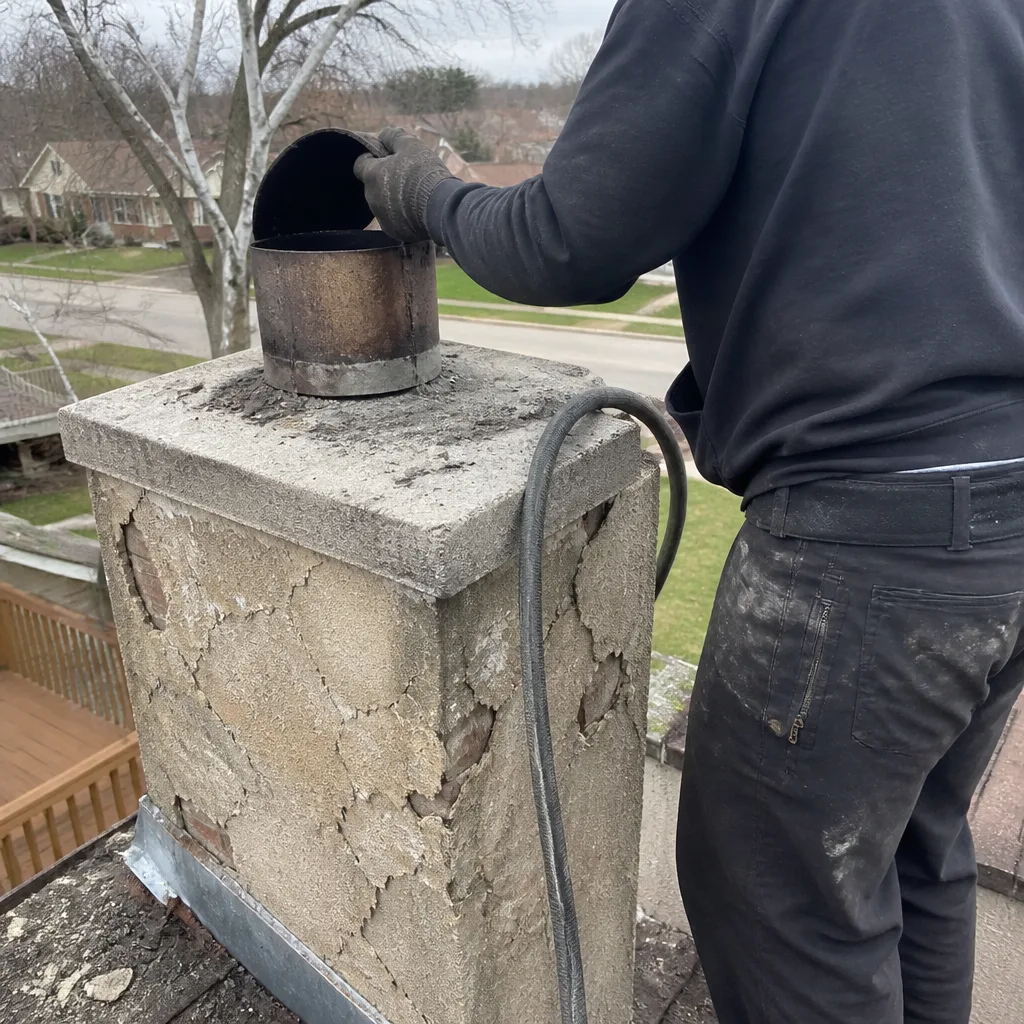 Before
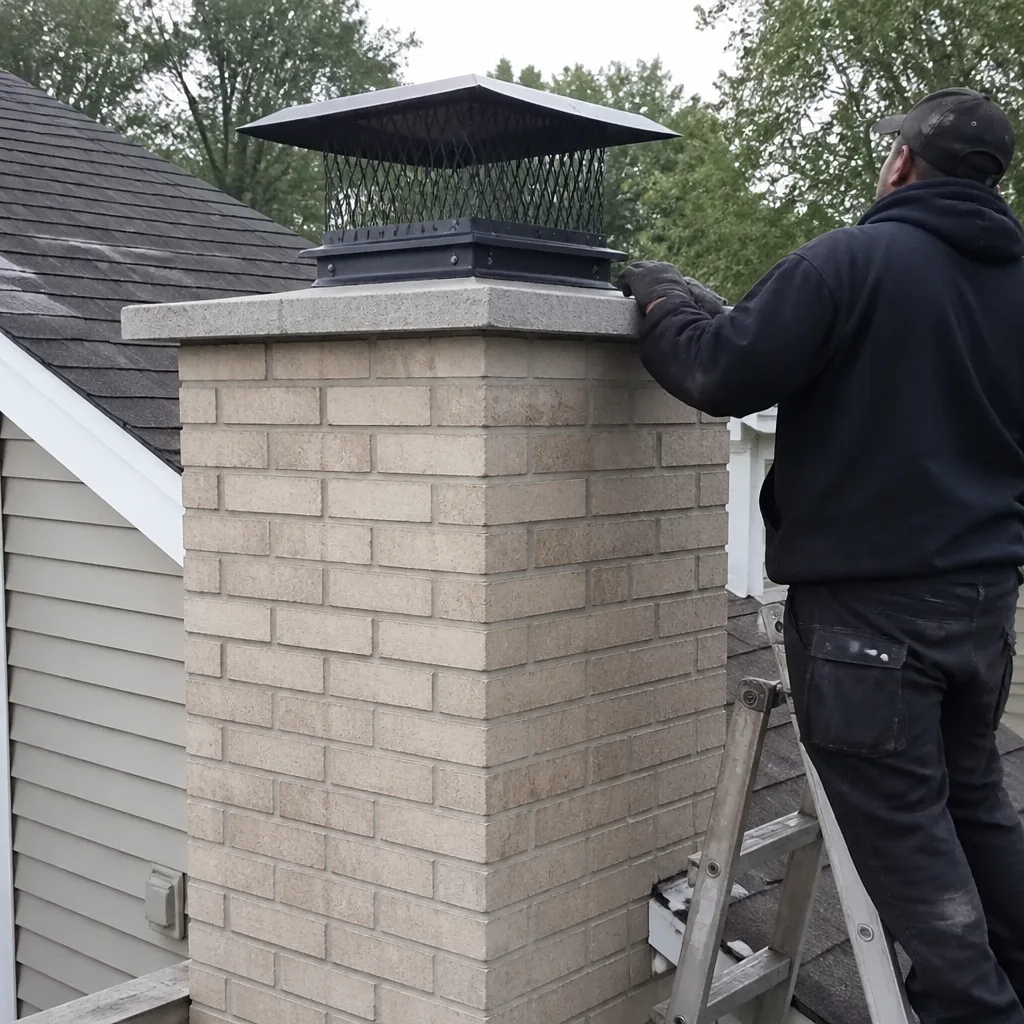 After
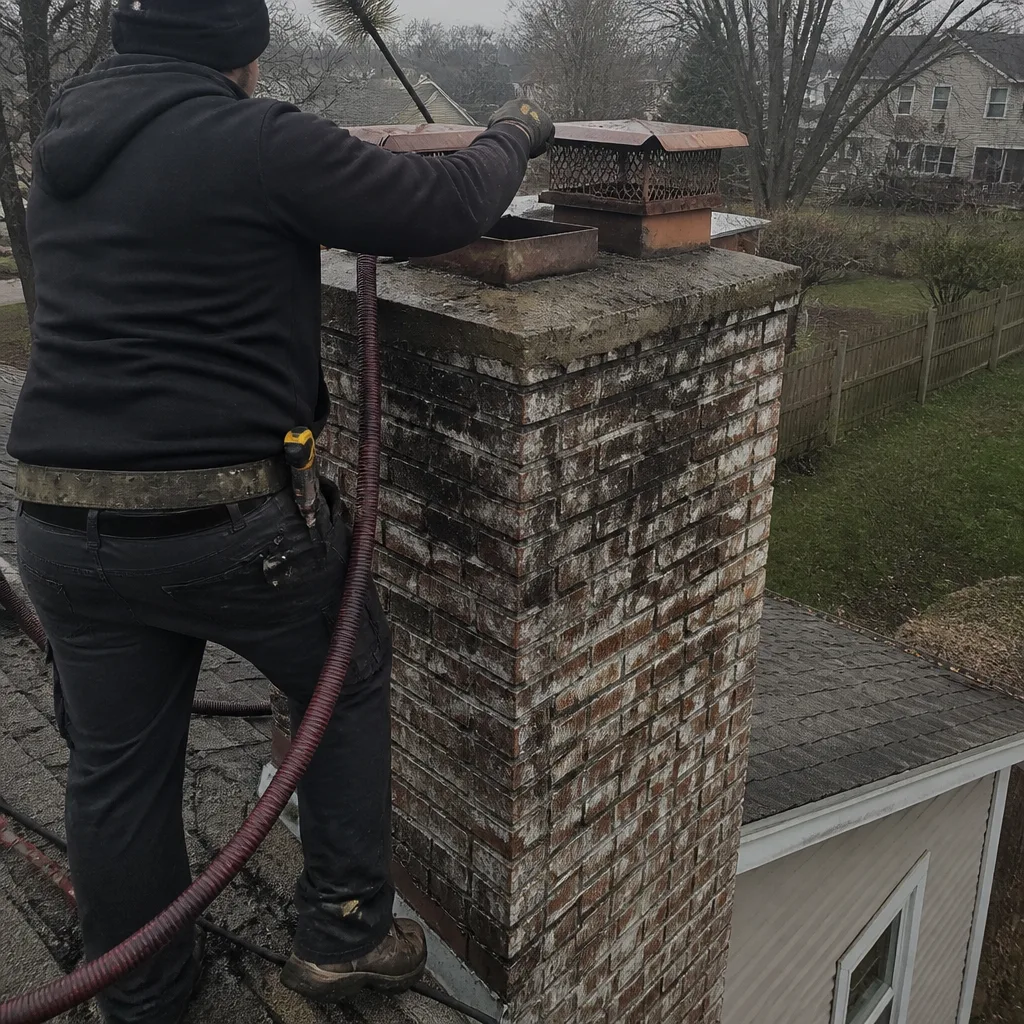 Before
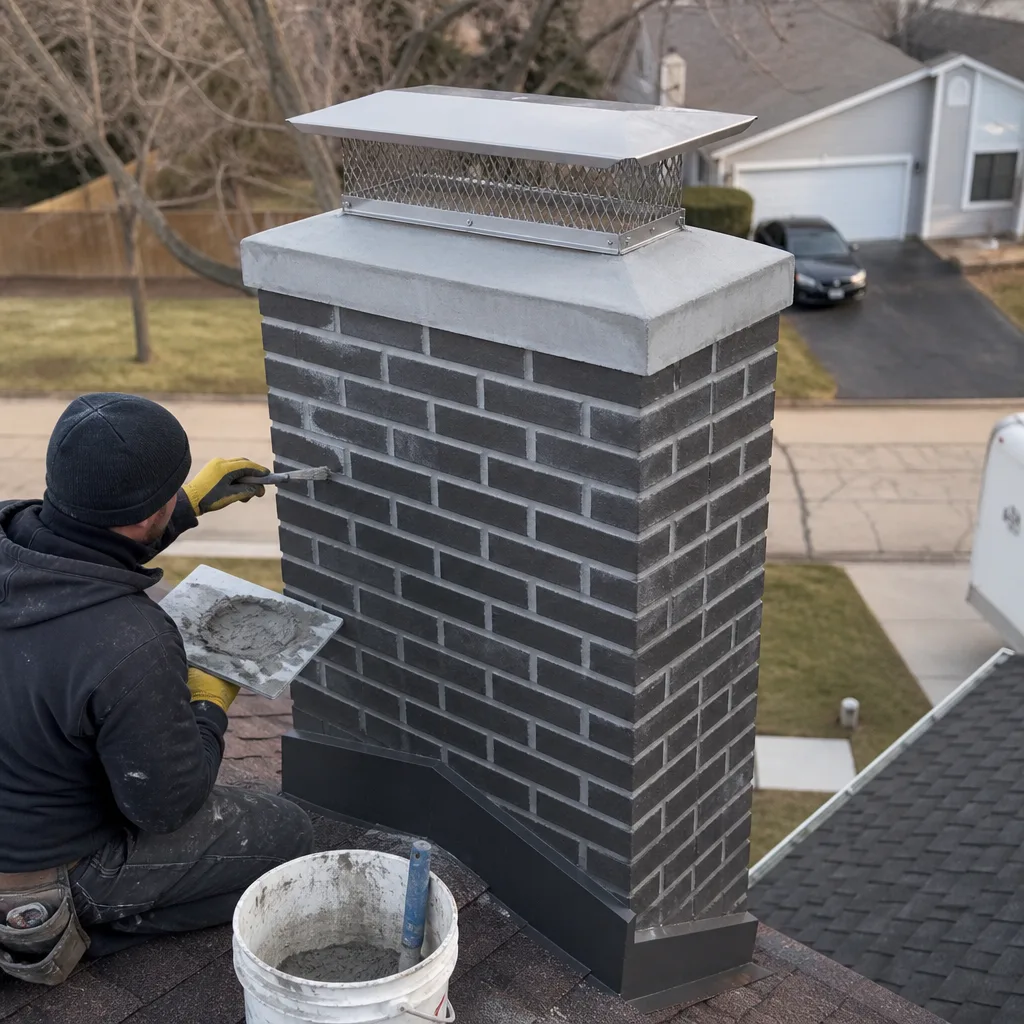 After