Last updated October 30, 2026
 Sweep & inspection
 Caps & crowns
 Flue relining
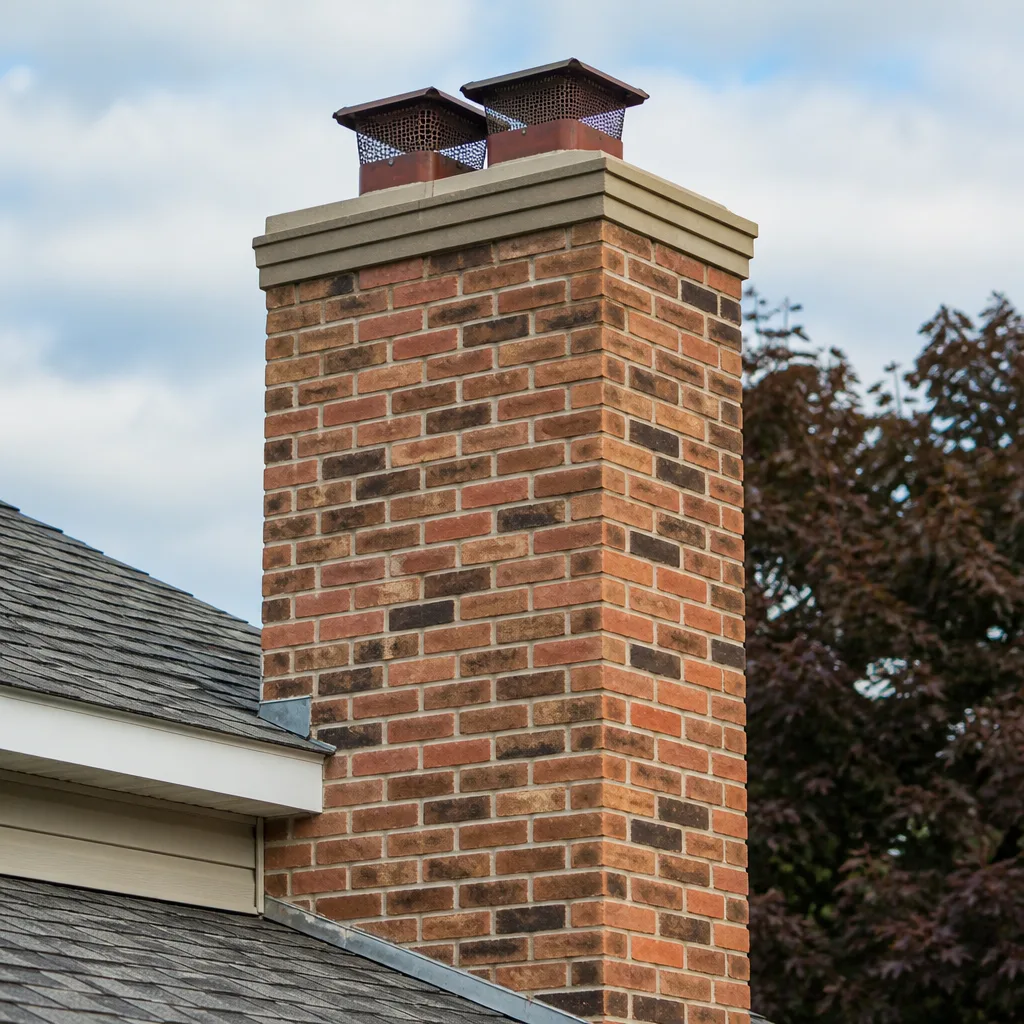 Masonry repair
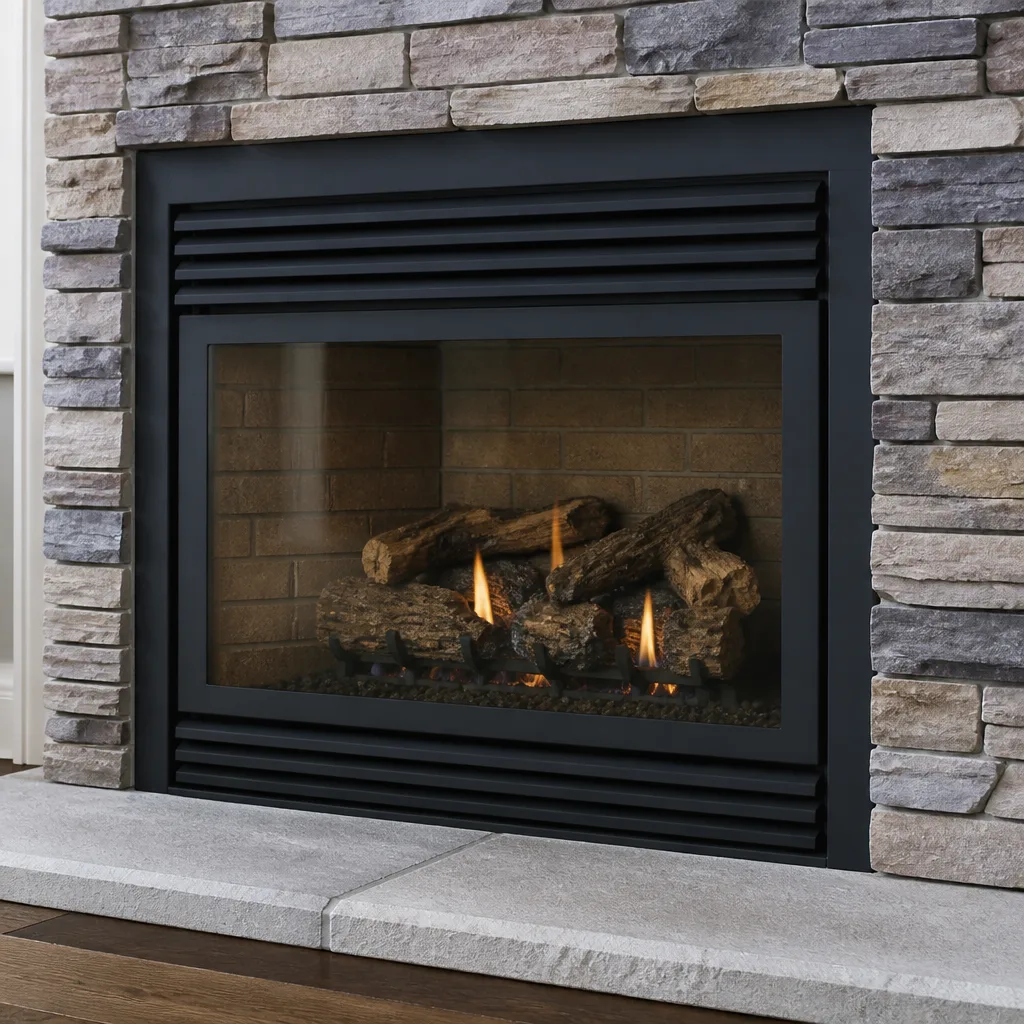 Gas fireplace service
Level 1 sweep and inspection to the NFPA 211 annual standard - flue, crown, cap, and flashing checked and photographed
Chimney sweep logs do not sweep chimneys. They loosen some creosote - which then falls where a brush and vacuum still have to collect it.
Chimney Cleaning Emergency Preparedness Guide for Bolingbrook Homes
A chimney fire burns at over 2,000°F inside the flue. In the 8 to 12 minutes before Bolingbrook’s fire department arrives, the choices made in the first 90 seconds determine whether that fire stays contained in the masonry or spreads into framing, attic insulation, and living space. What surprises most Bolingbrook homeowners isn’t the heat or the noise. It’s how quickly what sounds like a freight train in the wall becomes a structural fire that no garden hose will touch. This guide walks through the three emergencies our technicians see most often in wood-burning systems across Bolingbrook, what to do in the moment, and what actually prevents them. You’ll learn the immediate response sequence for each scenario, how to assess whether fire has left the flue, and why a post-fire inspection is non-negotiable before you burn again.
Quick Answer
Chimney emergencies in Bolingbrook homes cluster around three predictable failures: active flue fires, carbon monoxide backdraft events, and sudden damper failure. Each has a specific immediate response sequence. The single most effective preparedness step is an annual chimney sweep plus visual inspection, which removes creosote before it becomes fuel and catches mechanical failures before they strand you mid-winter. For a complete overview of what this should include, see our Chimney Sweep Maintenance Checklist for Bolingbrook Homeowners.
Styles & brands we work with
Table of Contents
- What to Do During an Active Chimney Fire
- Carbon Monoxide Backdraft: Recognition and Response
- Sudden Damper Failure: When the Flue Won’t Close or Open
- How to Confirm Whether Fire Has Left the Flue
- Why a Level 2 Inspection Is Mandatory After Any Chimney Fire
- Pre-Season Preparedness: What Actually Reduces Emergency Risk
- Common Mistakes to Avoid
- When to Call a Professional
- Frequently Asked Questions
What to Do During an Active Chimney Fire
An active flue fire announces itself. Homeowners in Bolingbrook describe a low rumble that builds to a roar, the sound compared most often to a freight train or low-flying jet. Sometimes there’s visible flame shooting from the chimney cap. Sometimes there’s dense, dark smoke. Sometimes it’s just noise and vibration. The fire is inside the flue, feeding on creosote deposits that built up over months or years of burning. Creosote ignites around 450°F, but once burning, it drives flue temperatures past 2,000°F rapidly.
The response sequence matters, and it has an order:
- Call 911 immediately. This is not a wait-and-see situation. Even a chimney fire that seems to quiet down can be smoldering inside the flue or spreading heat into the framing. Tell the dispatcher you have a chimney fire and whether anyone is inside the home.
- Close the damper if you can reach it safely. Closing the damper cuts the fire’s oxygen supply. This is the single most effective action you can take, and it takes seconds. Most flue fires slow dramatically within 30 to 60 seconds of damper closure.
- Do not throw water on the fire or into the firebox. Water on a 2,000°F flue turns to steam instantly, expanding 1,700 times its liquid volume. That expansion can crack flue tiles, blow mortar joints, and send superheated debris back into the room. This is the mistake that turns a contained flue fire into a structural fire.
- Evacuate everyone from the home. Even if the fire seems contained, you do not know what’s happening inside the walls. Carbon monoxide from incomplete combustion can build rapidly during a chimney fire. Get outside, account for every person and pet, and wait for the fire department.
- Monitor from outside. Watch for smoke coming from areas other than the chimney cap: soffit vents, wall joints, roof decking, or attic gable vents. Note these locations and tell firefighters when they arrive.
If you have a Chimfex fire suppressant, deploy it only after closing the damper and only if the firebox is still accessible without putting your face or hands directly in front of the fire. Chimfex is designed to be lit and placed inside the firebox, where it consumes oxygen as it burns. It does not replace closing the damper, and it does not replace calling 911. In our experience, homes that keep a Chimfex near the fireplace rarely know how to use it under stress, so rehearse the motion once each fall.
Carbon Monoxide Backdraft: Recognition and Response
A backdraft event happens when combustion gases fail to flow up the chimney and instead spill into the living space. It’s quieter than a chimney fire and more dangerous. Carbon monoxide is colorless, odorless, and binds to hemoglobin about 240 times more readily than oxygen. The first symptoms are headache, dizziness, nausea, and confusion – and by the time someone recognizes them, their judgment may already be impaired.
Backdraft has specific causes. A cold flue on a still winter night in Bolingbrook can produce a reverse draft, especially in two-story homes where warm interior air rises and escapes through upper floor leaks, pulling flue gases back down. A partially-clogged flue, a damper that won’t stay fully open, a bird nest or squirrel cache blocking the throat, or a house sealed too tightly for the appliance’s combustion air demand can all trigger it. The interaction between these factors is why a chimney sweep who only brushes the flue and walks away misses the conditions that cause backdraft. For details on proper permitting and compliance standards, see Chimney Cleaning Permits, Codes & Inspections in IL: What You Need to Know.
Recognition comes first:
- Keep a functioning carbon monoxide detector on each floor of the home, including the room with the fireplace or stove. Test it monthly. Replace batteries on a fixed schedule, not when they start chirping.
- Watch for soot staining above the fireplace opening, on the mantle, or around the damper frame. This is evidence of recurrent spillage.
- Pay attention to smoke curling back into the room when you light fires, even slightly. It is never normal for smoke to enter the living space.
- Notice if a fire burns sluggishly, requires constant attention, or dies when doors or windows are closed. These are combustion air and draft problems, not quirks.
If a CO detector alarms, or someone in the home shows symptoms associated with exposure, the response sequence is:
- Get everyone outside immediately. Do not open windows on the way out. Do not investigate the appliance. Do not ventilate the house first. The priority is clearing the structure.
- Call 911 from outside. Bolingbrook fire can test the home’s atmosphere with detection equipment far more sensitive than consumer alarms.
- Do not re-enter until fire personnel say it’s safe. Carbon monoxide clears slowly, and a home that reads safe at the doorway may still have pockets of CO near the fireplace.
- Once the immediate danger is cleared, schedule a full chimney inspection before burning again. A backdraft event has a cause. The technician needs to confirm flue integrity, check the damper’s operation, assess the home’s air pressure relative to the appliance, and verify the termination height and cap.
Sudden Damper Failure: When the Flue Won’t Close or Open
Dampers are simple mechanisms – a cast iron plate on a hinge or track, a lever or chain, sometimes a rotary control – but they live in the most hostile environment in the house. Years of combustion heat, creosote acids, and thermal expansion cycle take their toll. When a damper fails, it fails in one of two directions, and both create problems.
A damper stuck open means an open flue from the living space to the sky 24 hours a day. In Bolingbrook winters, that’s a continuous draft of conditioned warm air leaving the house and cold air pooling around the hearth. It also allows rain, snow, and wildlife into the flue when the chimney has no cap or a damaged cap. The heating cost increase is measurable, but the bigger risk is less obvious: a wide-open damper lets furnace or water heater exhaust gases follow the chimney as the path of least resistance, particularly in houses where the water heater and fireplace share a common masonry chase.
A damper stuck closed means the fireplace can’t be used safely. Attempting to burn with a closed or partially-closed damper forces smoke and combustion gases into the room. This is one of the most common causes of carbon monoxide alarms in Bolingbrook homes during the first cold snap each fall, when homeowners light the first fire without checking whether the damper has corroded shut over the summer humidity cycle.
The immediate response differs by which type of failure:
If the damper won’t open: Do not light any fire in the appliance, including a gas log set. Do not attempt to force the mechanism with tools, which can bend the linkage and turn a repair into a replacement. Close the doors to the room if you can, run no exhaust fans, and call a chimney professional to assess. In many cases the fix is a new damper plate or control mechanism, not a full top-seal replacement.
If the damper won’t close: The appliance is unusable until repaired, and the flue is an open penetration through the building envelope. Temporarily blocking the firebox opening with an insulation-rated damper plug or a sealed rigid panel can reduce air loss, but do not burn anything until the damper is replaced. If you have a gas water heater or furnace, confirm their exhaust paths are still drafting correctly, especially if they share the chimney. A top-sealing damper replacement – installed at the flue crown rather than the throat – often solves both the leakage and the wildlife intrusion problem permanently.
How to Confirm Whether Fire Has Left the Flue
After a chimney fire, the difference between a close call and a catastrophe is decided in the minutes before firefighters arrive by something simple: whether the fire stayed in the flue or moved into the structure. Chimney fires spread when cracks in the flue liner – pre-existing or caused by the fire’s thermal stress – allow heat, sparks, and flame to contact the framing, sheathing, and insulation surrounding the chimney chase.
An exterior assessment can be done without entering the structure, and it provides real information for arriving crews. Here’s what to look for from the outside:
- Smoke from unexpected places. Watch the roofline, particularly the soffit line where the chimney meets the roof deck. Smoke emerging from vent holes, shingle gaps, or decking joints means heat is moving through the attic space.
- Wall surface changes. Look at the wall sections adjacent to the chimney on each floor. Discoloration, peeling paint, or blistered siding on the exterior, or a warm-to-the-touch wall surface, means heat is transferring through the masonry and into the framing.
- Attic gable vents or roof vents. Smoke coming from any vent other than the chimney cap itself is a structural extension indicator.
- Chimney cap and crown condition. If the cap is missing, warped, or partially collapsed, and the fire was severe, the fire may have breached the top of the flue directly into attic or roof materials.
- Cracked or shifted exterior masonry. A chimney fire can cause visible cracks, especially near the top of the chimney or at the roof line. Fresh cracks with dark staining or a heat shimmer suggest the masonry absorbed the fire’s thermal stress.
If any of these indicators are present, tell the responding crew exactly where you observed them. It directs their investigation to the likely extension point and can save them from opening up the wrong section of wall. If none of these indicators are present, the fire may still have been severe enough to warrant a post-incident inspection, but the odds of structural extension are lower.
Why a Level 2 Inspection Is Mandatory After Any Chimney Fire
A Level 2 inspection is not a brush-and-scope. It’s the standardized assessment the National Fire Protection Association specifies in NFPA 211 for after any operational malfunction, chimney fire, change in appliance, or change in the flue system. Skipping it after a chimney fire is how houses burn down on the second fire of the season, not the first.
We recommend the same thing the code requires. Here’s what a proper Level 2 inspection covers after a chimney fire, and why each step exists:
- Video scan of the full flue length. A camera shows exactly what a fire did to the interior surface: cracked flue tiles, missing mortar joints, spalled clay, and displaced liners. You cannot see the inside of a 20-foot flue from the top with a flashlight, and a visual-only inspection after a fire is guesswork.
- Creosote desublimation check. Heat from a chimney fire converts creosote deposits into different forms, some of which are harder, more concentrated, and more flammable than before. The inspection identifies what remains and whether it requires mechanical removal.
- Clearance to combustibles verification. NFPA 211 requires a specific air gap between the masonry and any combustible framing, usually 2 inches for an interior chimney and 1 inch for an exterior one. The inspection confirms the fire didn’t compromise the clearance pathway or introduce a heat transfer point.
- Interior and exterior structural assessment. The technician checks for cracks in the flue, displacement of the chimney crown, damaged mortar, and damage at the attic and roof-line transitions. The goal is to find every place the fire may have weakened the system.
- Access for the camera means opening. The inspection may require removing the damper assembly or portions of the chimney wall. This is normal and necessary for an accurate view. A technician who says they can scope the entire flue without any interior access point is not seeing the whole system.
In our experience in Bolingbrook, most post-fire inspections identify at least one area requiring repair. What varies is scope. Sometimes it’s a section of flue resurfaced with our chimney repair process using HeatShield’s ceramic restoration system, restoring the liner without a full teardown. Sometimes the fire exposed existing structural problems that were already present but hadn’t been seen. Either way, knowing beats guessing, because the next fire will find whatever weak point the last one left behind.
Pre-Season Preparedness: What Actually Reduces Emergency Risk
Chimney emergencies feel random, but the data doesn’t support that. The pattern in Bolingbrook follows the same arc every year. First cold snap in October or November, a homeowner lights the first fire, creosote from last season ignites within the first few burns, and the fire department responds. The homeowners who avoid this are not lucky. They do three specific things before burning season starts.
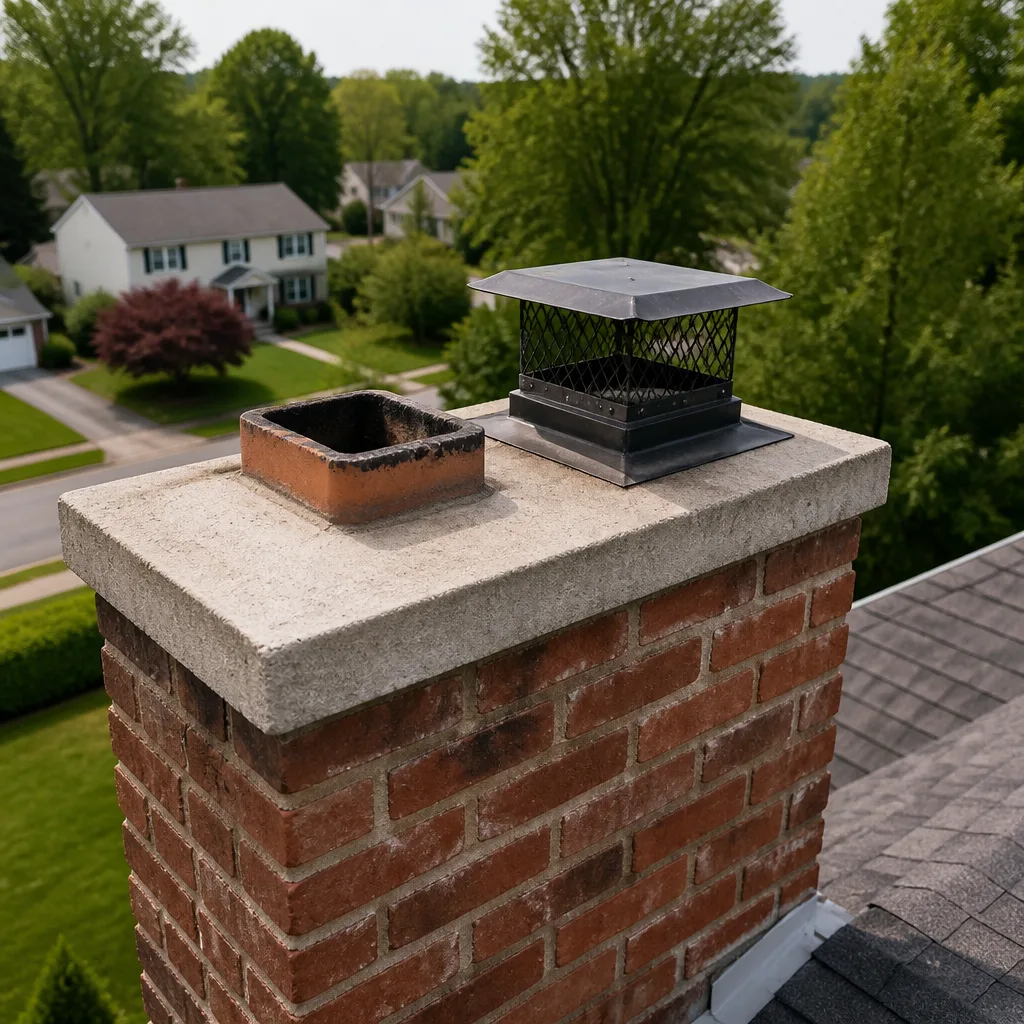
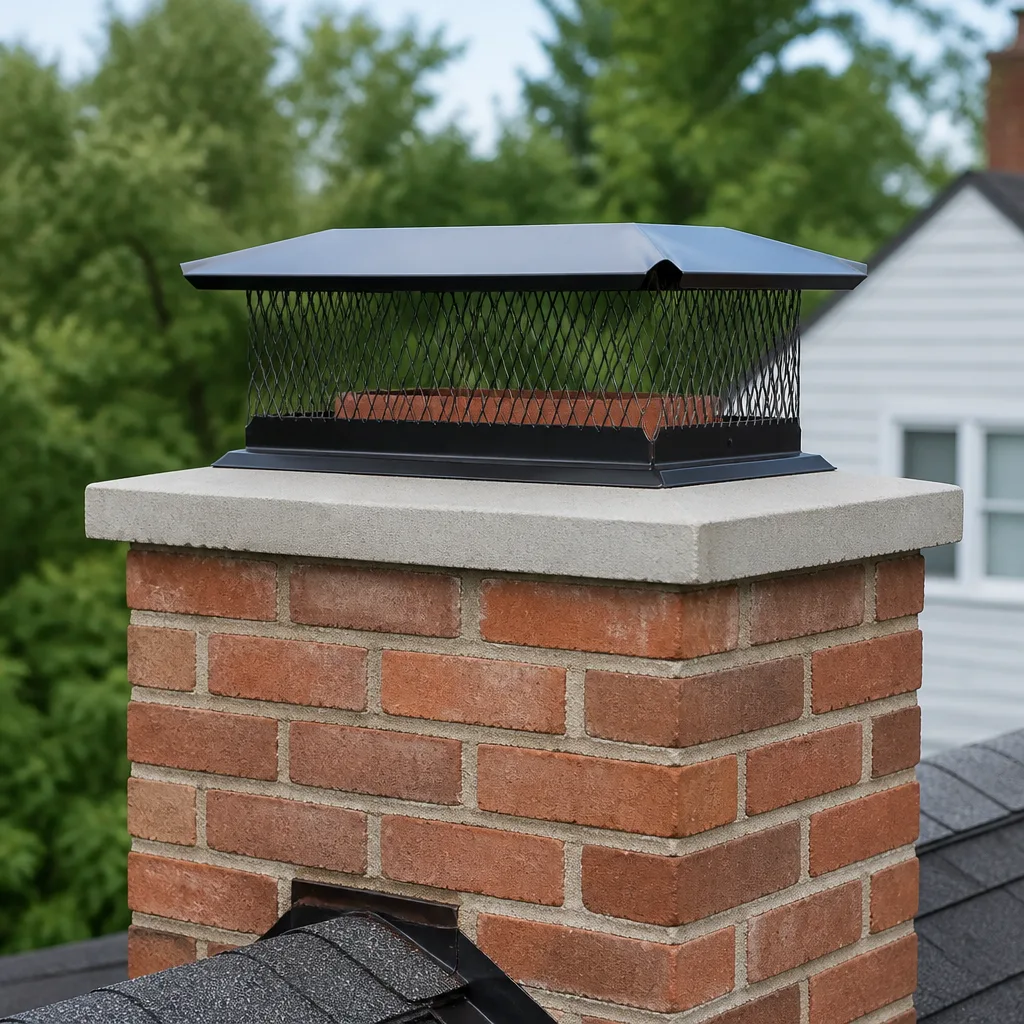
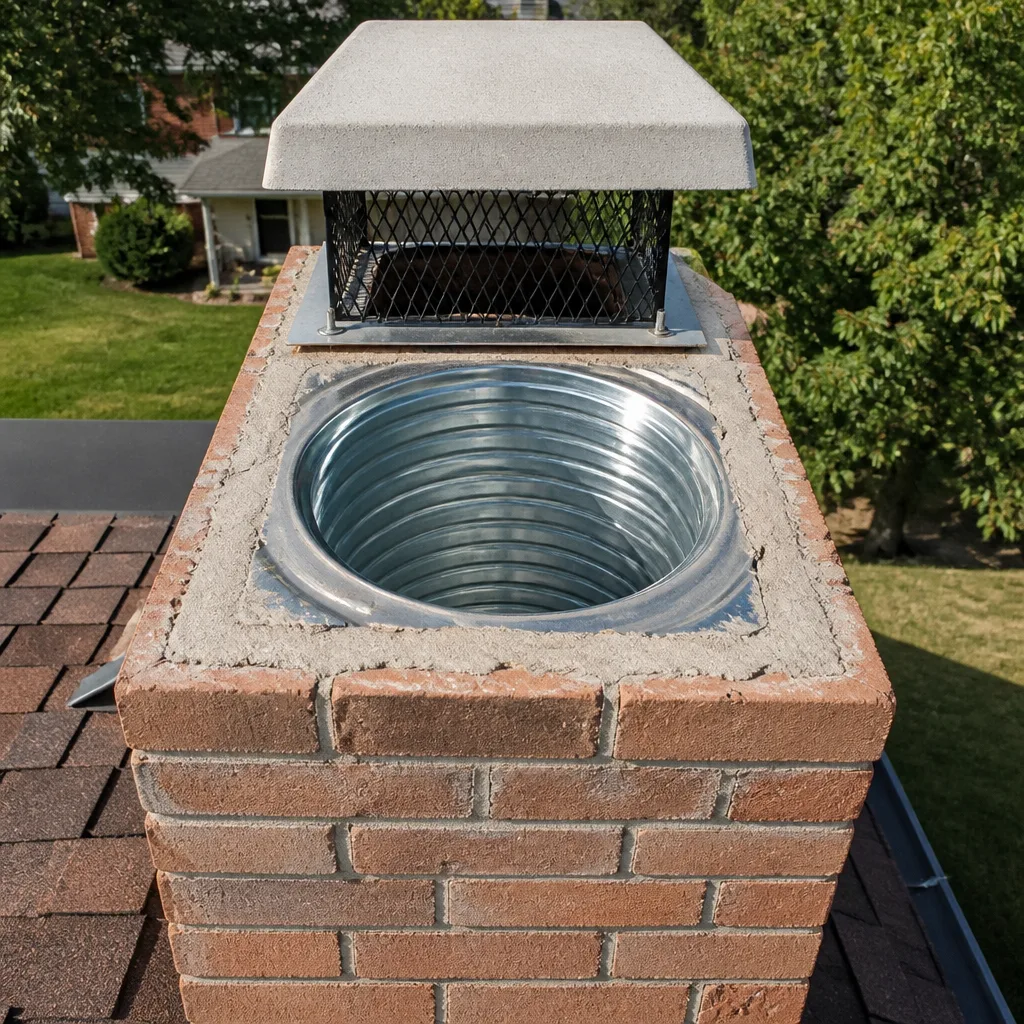
Confirm the cap is intact. This is the fastest pre-season check in the book, and the most skipped. A chimney without a working cap is a funnel for rain, snow, leaves, squirrels, raccoons, and birds. Each one introduces either a draft restriction or fuel. A missing cap on a Bolingbrook chimney that sits unused all summer is an invitation for a squirrel to build a nest directly above the damper. When that damper opens in November, the nest drops into the firebox or blocks the flue entirely. Cap inspection takes five minutes from the ground with binoculars. Replacement takes a professional less than an hour. Products like Gelco’s stainless and copper caps hold up to Midwest weather without warping or rusting.
Test the damper before it gets cold. Open it fully. Close it fully. Open it halfway. Listen for grinding, binding, or anything that suggests the control linkage has corroded. If the damper won’t hold position, or the handle feels loose, schedule the repair now rather than discovering the problem on the first fire night when your alternative is space heaters. Modern top-sealing damper replacements eliminate the throat damper’s rust problem entirely and pay for themselves in reduced heat loss.
Know your creosote level before you burn. Creosote isn’t a binary. Stage one is a light, flaky soot. Stage two is a crustier, tar-like deposit. Stage three is a hard, glossy glaze that resembles glass and is essentially concentrated fuel waiting for ignition. A chimney sweep with a camera can tell you what stage you have and whether brushing alone will remove it or whether a chemical treatment followed by mechanical cleaning is needed. The homeowner who knows they have stage two creosote and schedules a sweep before the first fire has effectively eliminated the chimney fire risk for that season. The homeowner who doesn’t is betting the fire department gets there in time.
We also recommend that Bolingbrook homeowners with gas heat, gas water heaters, or gas dryers verify their carbon monoxide detectors are functional at the same time they prepare the fireplace. A CO emergency and a chimney emergency share the same warning sign, and the same house that skipped chimney maintenance often skipped detector maintenance too. The Summit Peak Chimney Sweep home page covers the full scope of what a pre-season inspection includes.
Common Mistakes to Avoid
- Throwing water on an active chimney fire. The steam expansion can crack flue tiles and blow the fire into the structure. This single action causes more extensions than the fire itself. Close the damper instead.
- Waiting to call 911 because the fire “calmed down.” Chimney fires smolder inside the flue and in the surrounding masonry for hours. A quiet flue is not an extinguished flue. The fire department has thermal imaging cameras that can check wall temperatures from the outside, which is exactly what the situation requires.
- Burning again after a chimney fire without an inspection. The flue lining is compromised after overheating. The next fire can move through those cracks directly into framing. This is the most preventable cause of post-emergency house fires we see.
- Assuming a gas log set can’t cause chimney problems. Gas logs produce water vapor and acidic condensate that degrade mortar and clay liners over time. A gas-burning Bolingbrook home can still have a deteriorated flue, carbon monoxide risk, or damper malfunction. The inspection schedule still applies.
- Using the fireplace as a trash incinerator. Wrapping paper, cardboard, and household trash burn hot and unpredictably, and the paper can float up the flue while burning, carrying flame to the smoke chamber and lining. Only burn seasoned wood or manufactured logs appropriate for fireplaces.
- Skipping the dryer vent because it’s “just lint.” Lint is particulate fuel packed into a pipe behind the wall. The annual cleaning cycle takes minutes for a professional and removes the most common ignition source in laundry rooms that never gets looked at. We see blocked dryer exhaust in Bolingbrook homes where the dryer runs longer and hotter in winter, and the vent has never been inspected since installation.
When to Call a Professional
Any visible damage after a chimney fire, any carbon monoxide alarm event, any damper that won’t operate, or any evidence of smoke entering the room calls for an inspection before the next burn. If you’re not sure whether the creosote level in your flue is safe, the right answer is to have it looked at. The cost of a sweep and inspection is measured in hundreds of dollars. The cost of a post-fire reline, structural chase repair, or worse is measured in thousands, and that’s the optimistic version. Our chimney sweep service includes the camera inspection and documentation that tells you exactly what condition your flue is in before burning season. For Bolingbrook homeowners, Summit Peak Chimney Sweep offers free estimates – call (855) 382-3714.
Frequently Asked Questions
A standard chimney sweep with a camera inspection in Bolingbrook typically runs between $180 and $340 for a single-flue fireplace. The price depends on creosote stage, flue access, and whether any damper or cap issues need documentation. Call (855) 382-3714 for an exact quote – estimates are free.
Not always. A Level 2 inspection determines whether the liner’s fire damage is cosmetic or structural. In many cases, a HeatShield restoration can resurface the damaged interior without removing the old liner or tearing apart the chimney. We default toward restoration when it’s appropriate, not replacement.
The National Fire Protection Association recommends a sweep when creosote reaches 1/8 inch of accumulation. For a Bolingbrook home that burns two to three cords of seasoned wood through the winter, that typically means an annual sweep. A home that burns weekend fires only may stretch to every two years, but the only way to know is to look.
Creosote builds up in layers. The first fire of the season ignites deposits that built up the previous winter, and you get a flue fire. If the flue survives it without damage, the deposits are converted into a harder, more concentrated form. Next fire, the same thing happens with more intensity. Most chimney fires we respond to in Bolingbrook are in chimneys that haven’t been swept in two or more seasons, and the homeowner reports the same pattern: a loud rumble, a call to 911, and a chimney that now needs work. Call (855) 382-3714 to schedule a sweep before the pattern starts.
Yes. Lint is highly flammable micro-particulate. When it compacts inside the vent pipe, the dryer’s heating element and exhaust flow turn the entire pipe into a potential ignition chamber. The U.S. Fire Administration tracks dryer vent fires in thousands of homes annually. We clean dryer vents using tools and inspection cameras designed for the pipe’s specific diameter and configuration, including Famco fittings. A dryer vent is a chimney you never think about.
Three things this afternoon: look at the chimney cap from outside with binoculars (see if it’s present and intact), test the damper handle through its full range of motion, and press the test button on every CO detector in the house. If any of the three fails, schedule the appropriate professional to fix it before you burn.
The Bottom Line
Chimney emergencies in Bolingbrook are predictable. The flue fire lights on last season’s creosote. The backdraft follows a draft or pressure problem that’s been building for years. The damper fails the first time it’s tested. Every scenario has an early warning sign, and every one of those signs is found during an annual sweep and inspection. If an emergency happens anyway, the response sequence is simple: close the damper if you safely can, never throw water on the fire, evacuate, call 911, and get a Level 2 inspection before burning again. The preparation that matters most is not a fire extinguisher near the mantle. It’s knowing whether the flue you’re about to light is sound. For Bolingbrook homeowners, the fastest way to confirm that is to schedule a sweep and camera inspection before the first cold night, not after. Summit Peak Chimney Sweep offers free estimates in Bolingbrook – call (855) 382-3714.
Written by the team at Summit Peak Chimney Sweep, serving Bolingbrook since 2018.
See the difference
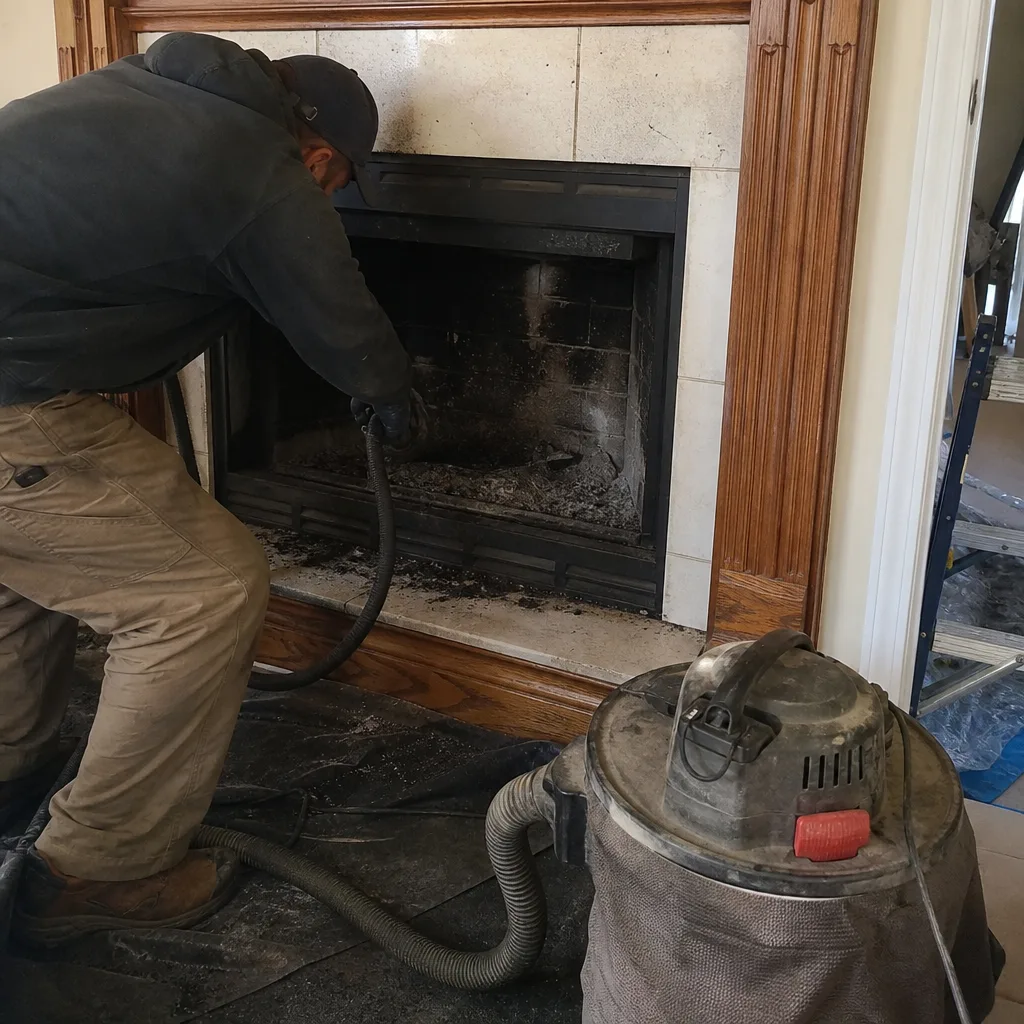 Before
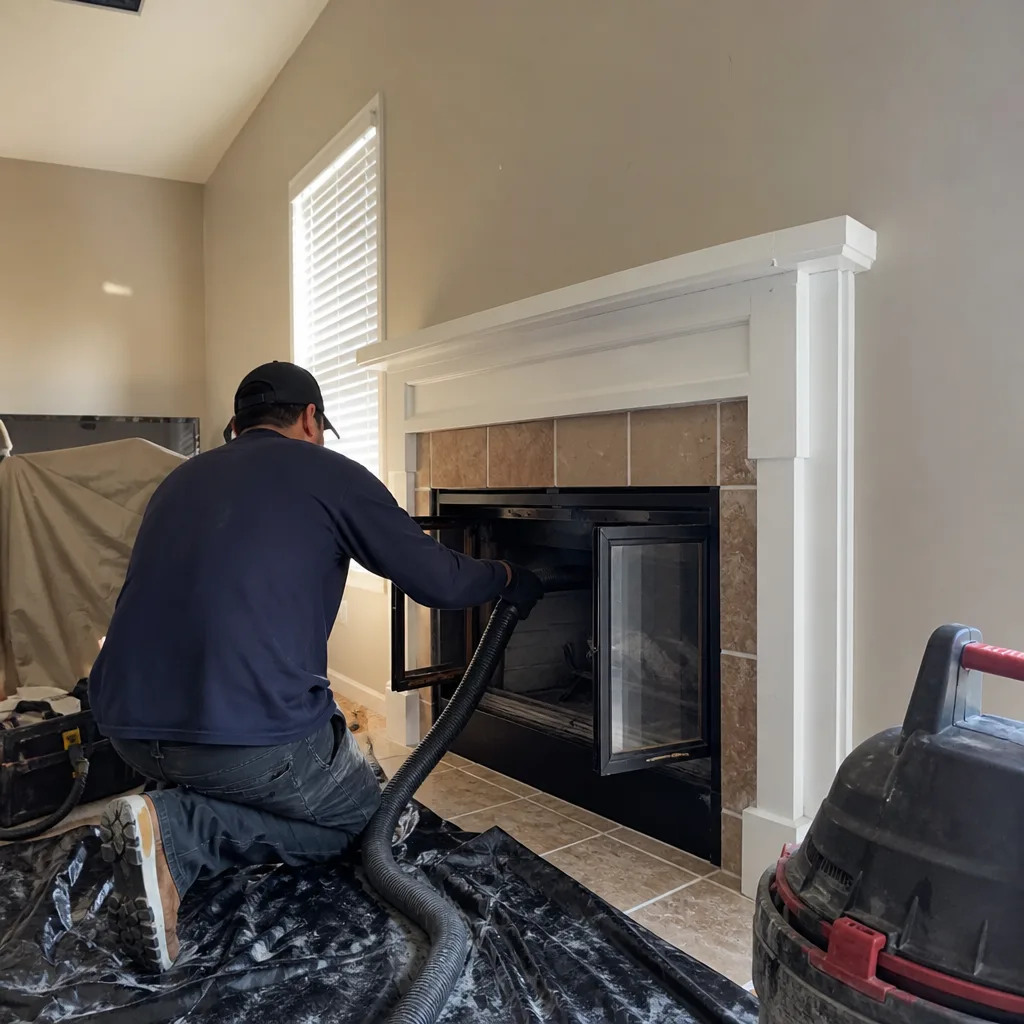 After
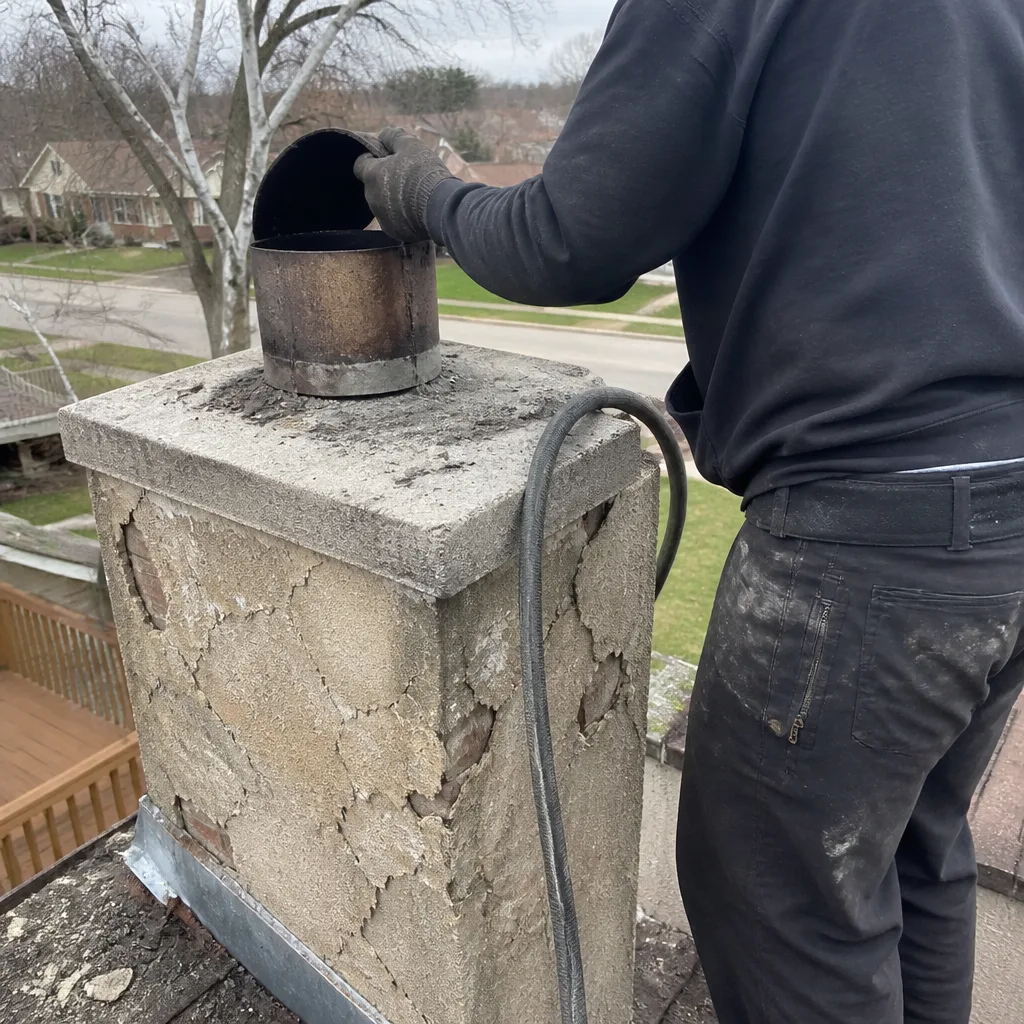 Before
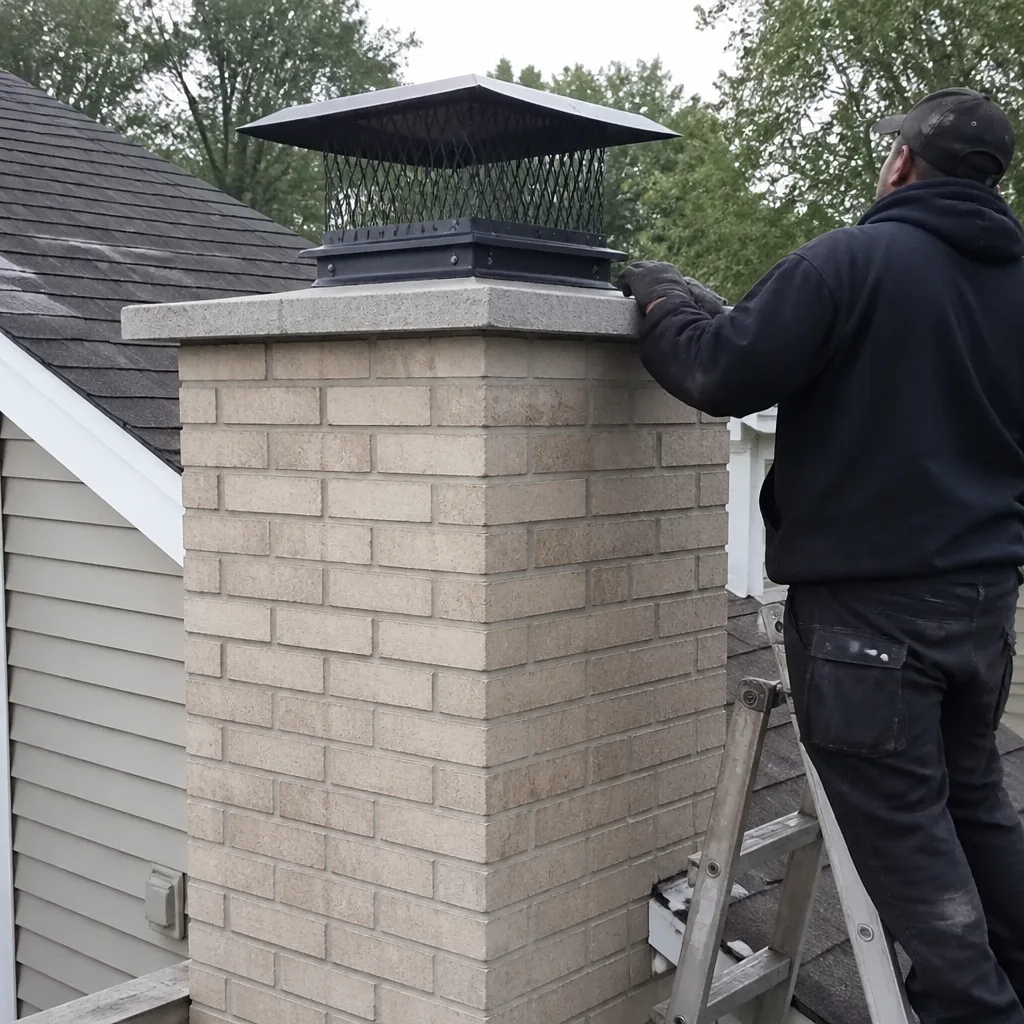 After
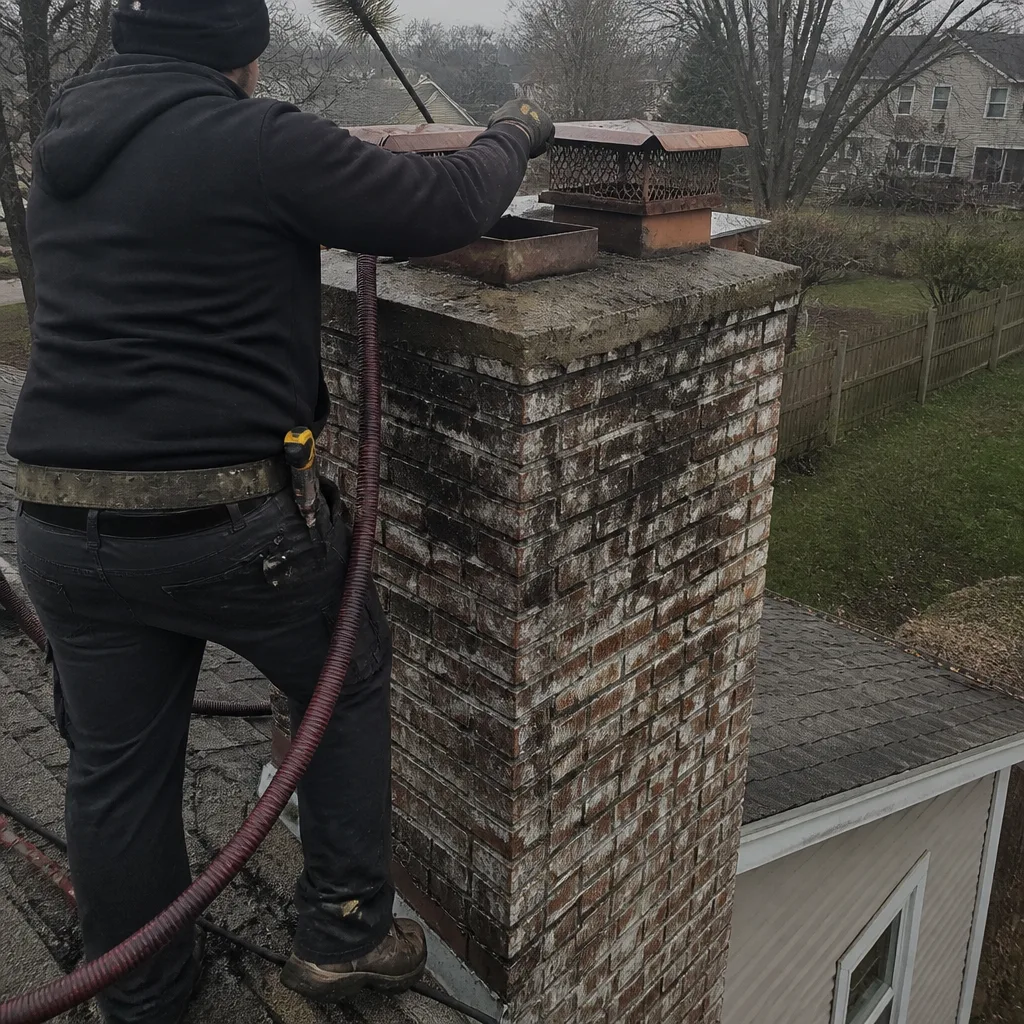 Before
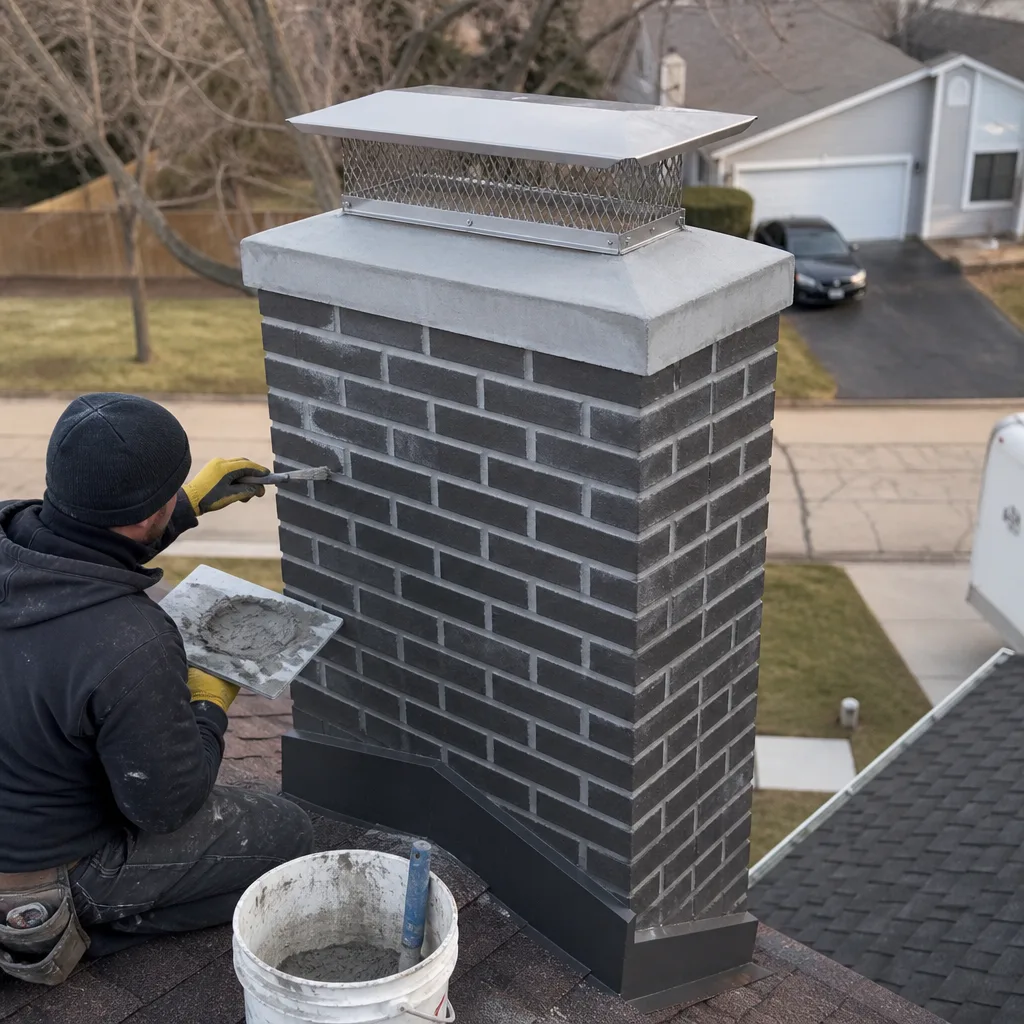 After