Last updated October 30, 2026
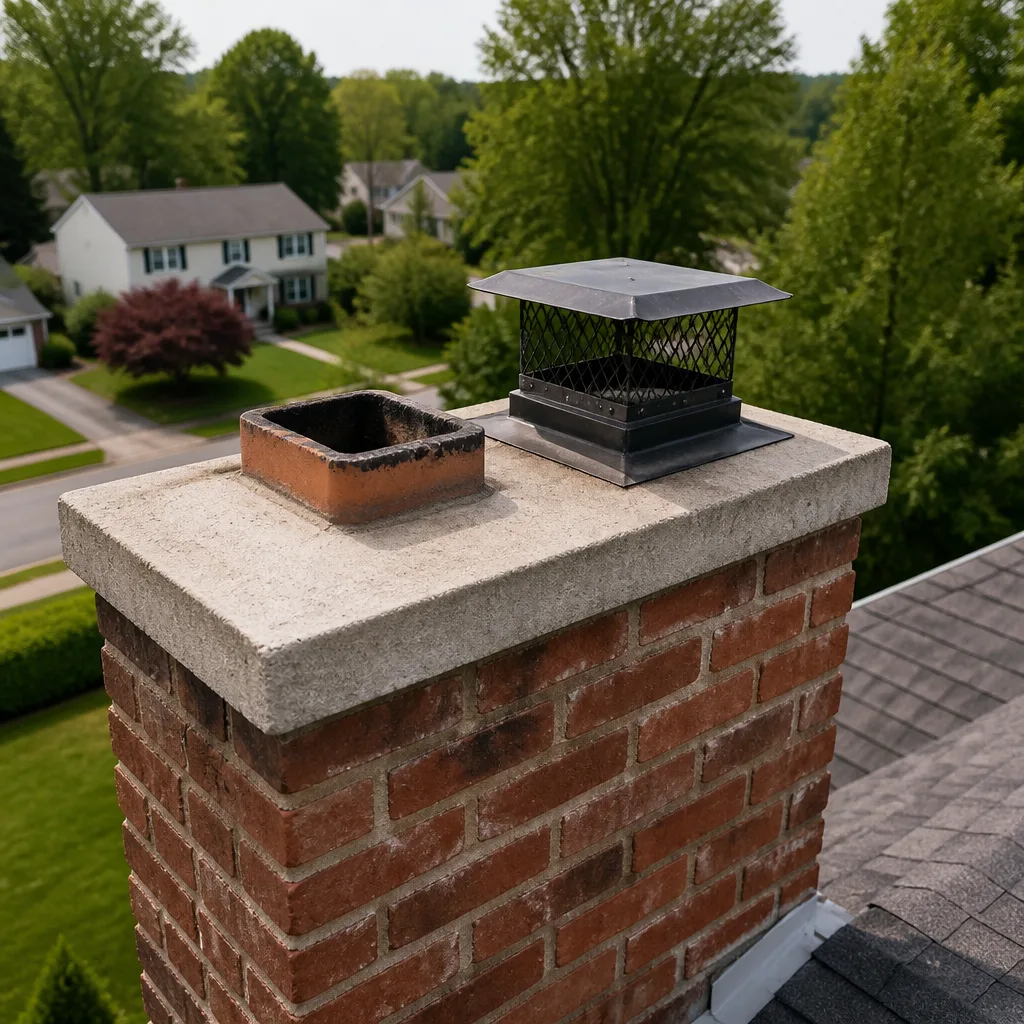 Sweep & inspection
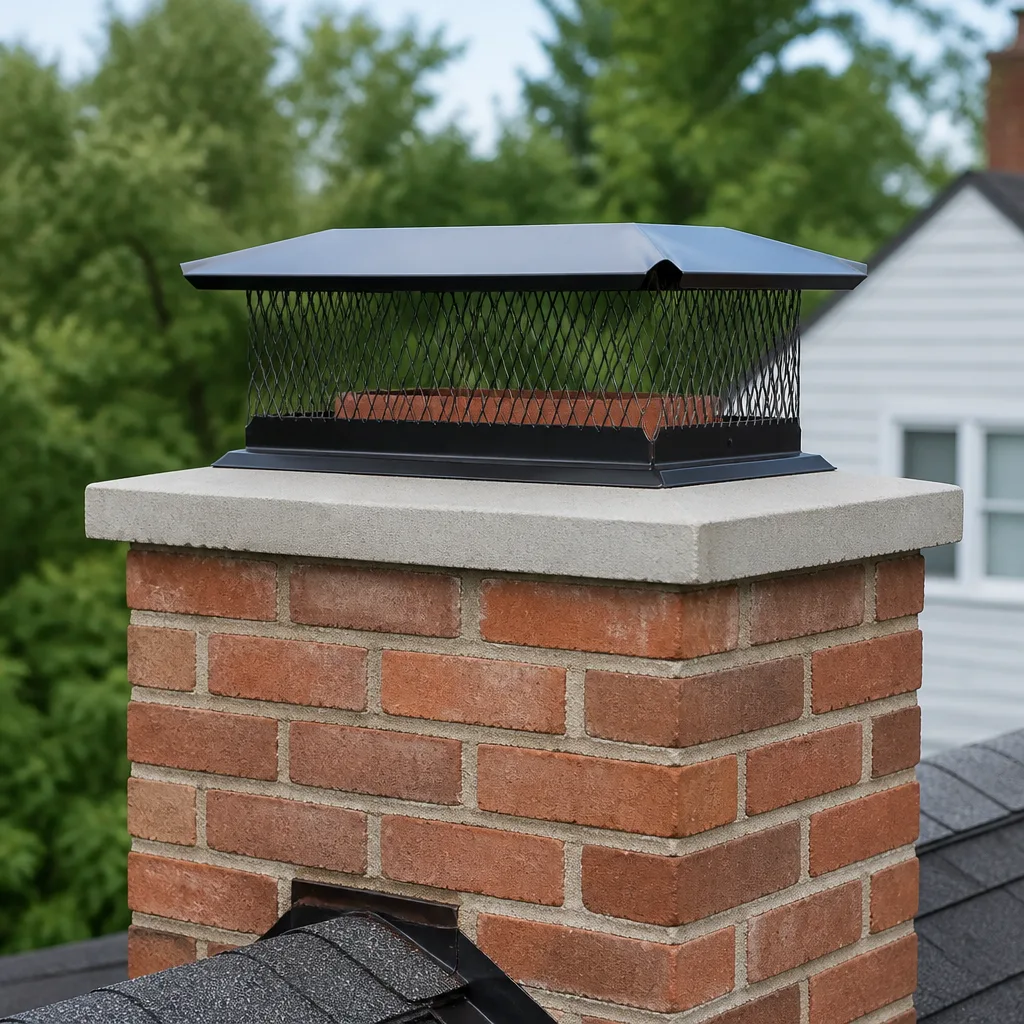 Caps & crowns
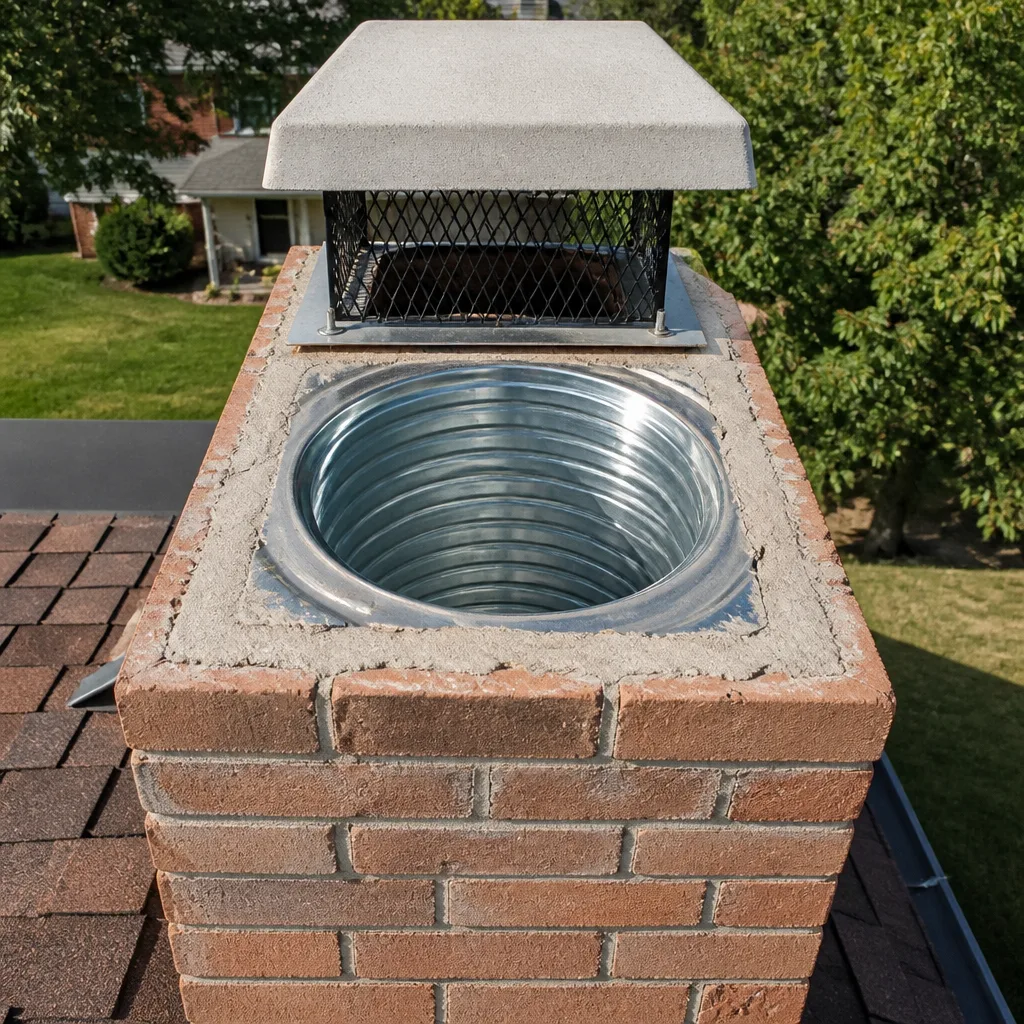 Flue relining
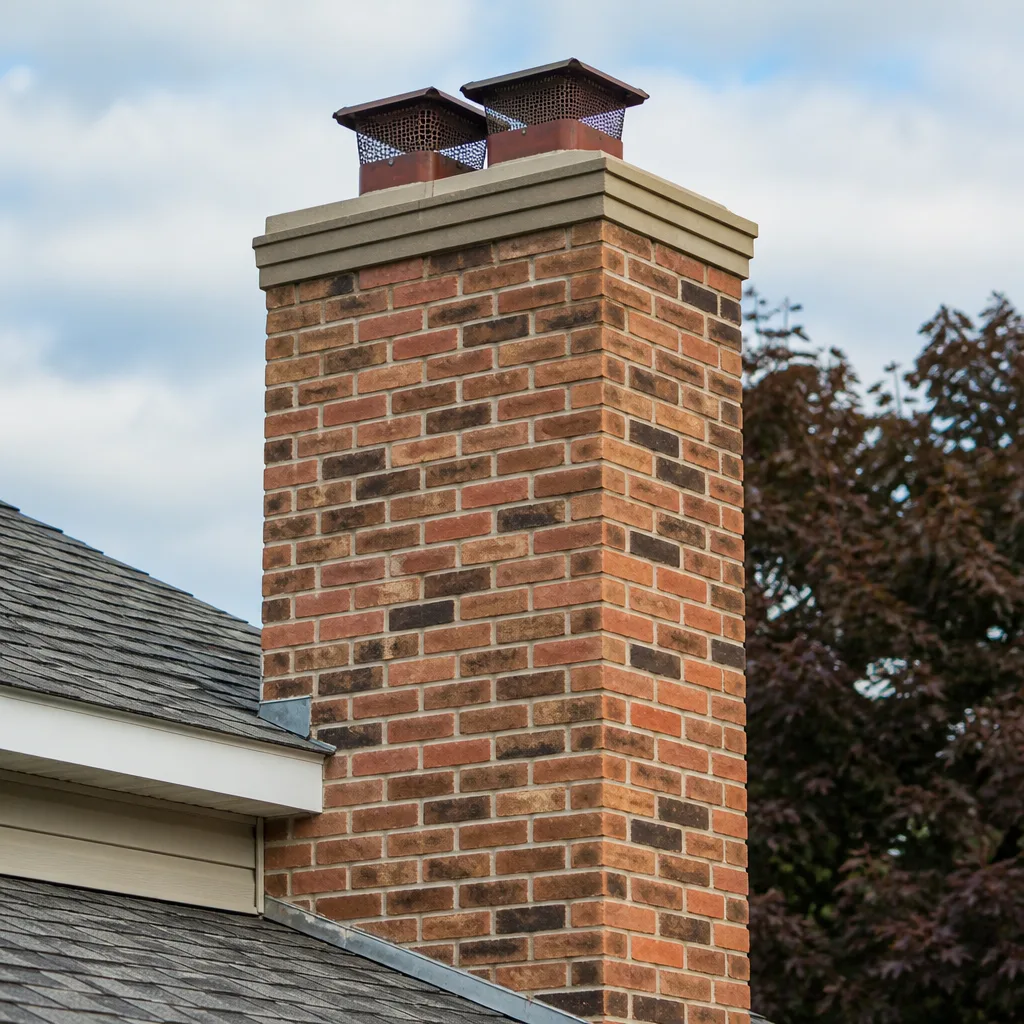 Masonry repair
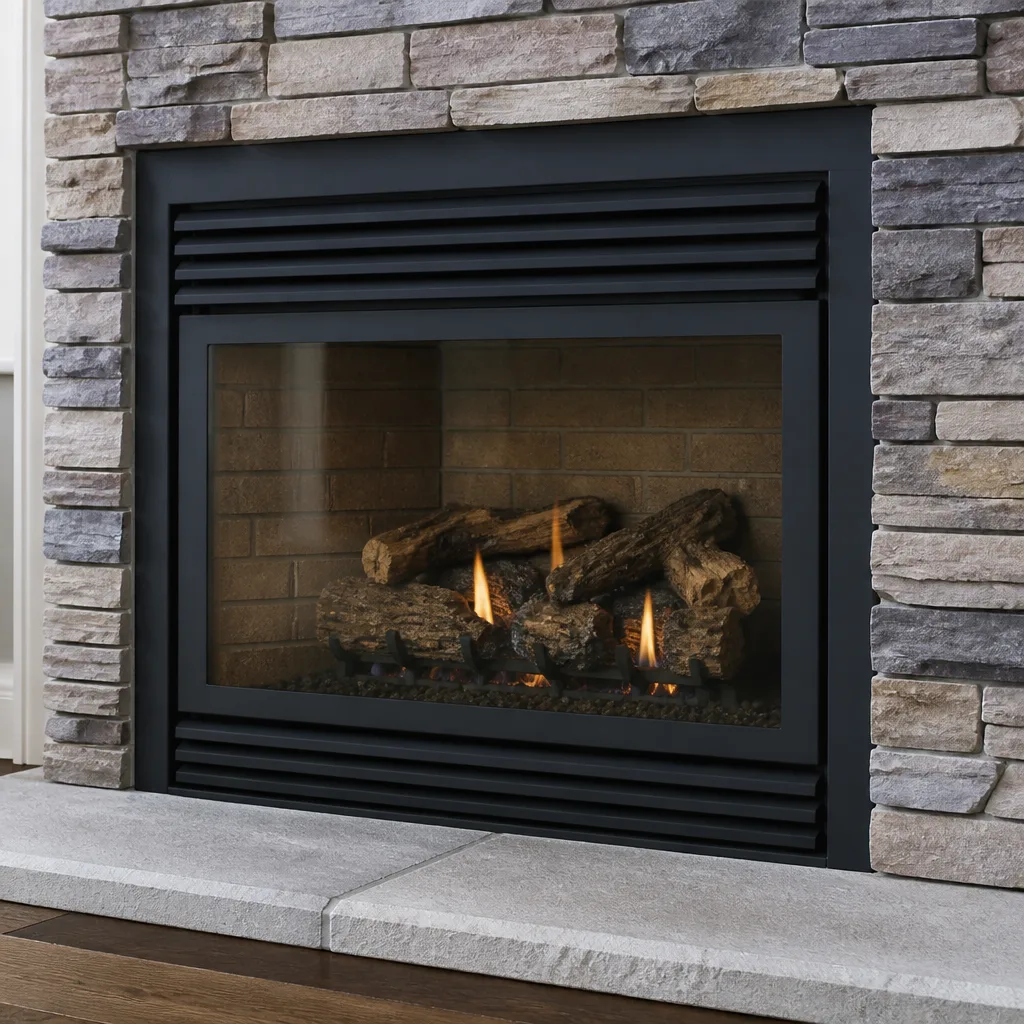 Gas fireplace service
Level 1 sweep and inspection to the NFPA 211 annual standard - flue, crown, cap, and flashing checked and photographed
Chimney sweep logs do not sweep chimneys. They loosen some creosote - which then falls where a brush and vacuum still have to collect it.
Seasonal Chimney Cleaning Care for Bolingbrook: Year-Round Homeowner’s Guide
The standard advice you’ll hear from every chimney company is to get a cleaning before winter. That’s correct, but it’s also incomplete. What nobody tells you is that the work you skip in April and July is precisely what makes that fall sweep more expensive than it needs to be. Bolingbrook’s freeze-thaw cycles, summer humidity, and position in the Illinois wind corridor all leave specific marks on chimney systems month by month. This guide walks you through each season’s diagnostic signals so you can catch problems when they’re small, cheap, and quiet, and you can find more guides & resources on our blog.
Styles & brands we work with
Quick Answer
In Bolingbrook, a chimney system needs four seasonal checkpoints, not one. Spring is for damage assessment after freeze-thaw cycles, summer is for moisture and liner monitoring during humid months, fall is for the complete pre-burn sequence before your first fire, and winter is for safe mid-season observation of how the system actually performs under load. A homeowner who follows this rhythm typically pays less per visit—see our Chimney Cleaning Cost Breakdown: The Bolingbrook Homeowner’s Reference for 2026 for details—and catches liner, mortar, and cap issues years before they become structural failures.
Table of Contents
- Spring: Reading the Damage Freeze-Thaw Leaves Behind
- Summer: Humidity, Liners, and the Cap Inspection Most People Skip
- Fall: The Pre-Burn Sequence Before Your First Fire
- Winter: Mid-Season Monitoring Without Risk
- Why Bolingbrook’s Wind Corridor Changes Cap and Chase Cover Wear
- The Dryer Vent: The Other Chimney You’re Ignoring
- Common Mistakes to Avoid
- When to Call a Professional
- Frequently Asked Questions
- The Bottom Line
Spring: Reading the Damage Freeze-Thaw Leaves Behind
By late March in Bolingbrook, the ground has frozen and thawed dozens of times since November. Each cycle works on your chimney’s mortar joints the same way it works on pavement. Water seeps into hairline cracks, freezes, expands by roughly 9%, and pries the joint open a little wider. By spring, what started as a cosmetic crack in October may be a structural gap. This is the season for close inspection, not just on the chimney itself but on what the chimney is telling you.
The most informative diagnostic window in spring is the exterior face of the chimney. Walk around your house and look for these specific indicators:
- White, chalky residue on brick faces – this is efflorescence, and it means water has already entered the masonry and is migrating outward. It is not a stain to ignore. In Bolingbrook’s climate, it is the earliest reliable sign that your chimney’s water management system has failed somewhere above.
- Mortar joints that crumble when touched – a roof-level inspection is unforgiving, so do this from the ground with binoculars. Joints that show deep erosion, spalling (flaking brick faces), or visible gaps are past the point of cosmetic repair.
- Rust staining on the damper assembly or firebox floor – water is coming down the flue. That means the cap, crown, or both have failed.
- Musty smell in the firebox after a rain – this is not just an odor. It’s confirmation that water is pooling somewhere inside the chimney structure.
In our experience at Summit Peak Chimney Sweep home, the spring inspection is the single most underused maintenance opportunity a Bolingbrook homeowner has. It costs nothing to look. And if you find efflorescence on the east-facing wall of the chimney, you’ve just caught a water entry problem nine months before the first freeze makes it worse. We carry DuraFlex and Copperfield components specifically because spring is when we identify the liner and cap issues that those products are engineered to fix. But the diagnosis comes first. Nothing gets recommended without camera evidence.
Summer: Humidity, Liners, and the Cap Inspection Most People Skip
Most Bolingbrook homeowners think of summer as chimney off-season. That’s a mistake. The Chicago metro’s summer humidity, regularly 65% to 80% from June through August, is an active degradation agent on chimney liners. Here’s the mechanism: clay tile liners are porous. Humid air moves through them, condenses on the cooler exterior masonry, and sits there. Over years, this moisture cycle erodes the mortar between tile sections and accelerates spalling on the clay surface itself. A liner that goes unexamined through three humid summers can be structurally compromised by the fourth.
But the summer task that matters most is a cap inspection in July. Here’s why July specifically matters in Bolingbrook:
- Storms in late June and early July bring wind gusts that test every cap and chase cover on your roof.
- July is when nesting season peaks. Birds, squirrels, and raccoons have all had time to build their spring homes, and chimneys are a preferred site.
- If your cap has a small tear, pulled seam, or rusted corner from the winter, July is when the first big rain finds it.
A 15-minute visual check from the ground, or a roof-level inspection if you’re comfortable and safe on a ladder, can identify a failed cap before the August storms arrive. Look for rust streaks below the cap, visible gaps where the cap meets the chimney crown, or new nesting material visible in the flue opening. For homeowners with gas inserts, summer is also the time to check the termination cap on the sidewall vent. The smaller the cap, the easier it is for birds to obstruct it, and a blocked exhaust in a gas system means carbon monoxide moves back into the house.
Where Chimney Repair in Naperville enters the picture is when a summer inspection turns up a liner surface that’s degrading but not yet failed. That’s where HeatShield restoration comes in. Rather than defaulting to a full reline, a HeatShield application can resurface a deteriorating flue and buy the liner another decade. It’s a repair option most chimney companies in this market don’t offer because they don’t stock the material. We do.
Fall: The Pre-Burn Sequence Before Your First Fire
By late September in Bolingbrook, the overnight temperatures are dipping into the 50s and the first fire of the season is a few weeks away. Most homeowners schedule a sweep and then wait. But the proper pre-burn sequence is a set of confirmations that happen after the sweep is completed and before that first match is struck. It’s the difference between turning on a stove you’ve used every week and turning on a system that’s been dormant for seven months.
Here is the pre-burn sequence in order. Work through all six steps before the first fire of the season:
- Confirm the sweep is done and the flue is clear. A professional sweep removes creosote, but you should also receive a visual confirmation of no obstructions (nests, debris, fallen masonry) from the crown to the firebox. If the sweep doesn’t include a camera inspection, ask for one.
- Open the damper fully and verify it moves freely. A damper that sticks or doesn’t fully open means smoke and carbon monoxide will enter the living space. Test it while the chimney is cold and you can see the mechanism clearly.
- Check the firebox for cracks in the refractory panels. These panels protect the firebox walls, and a crack larger than 1/8 inch is a sign to call a chimney repair specialist before burning.
- Confirm the cap is still in place and unobstructed. A summer of storms and nesting activity can leave the cap blocked or damaged. Walk around the house and confirm you can see the cap on the chimney top, with no visible obstructions or debris.
- Test your carbon monoxide detectors and batteries. This should happen every fall regardless, but it is non-negotiable before the first fire. A chimney system that passes inspection still demands functioning CO detection. It is the last line of defense against a system failure.
- Start with a small, hot fire. The first fire should burn small, dry hardwood splits, not a full load. This allows the flue to warm gradually and gives you a chance to observe draft behavior before committing to a long burn.
The fall sweep is not the end of the process. It’s the middle. What happens between the sweep and the first fire determines whether the season starts with a safe, clean burn or a smoke problem that sends you back to Google for emergency repairs in October. For guidance on handling urgent situations, see our Chimney Cleaning Emergency Preparedness Guide for Bolingbrook Homes.
Winter: Mid-Season Monitoring Without Risk
Bolingbrook winters are cold, windy, and long. Your chimney will be under sustained load from November through March, and the system will talk to you if you know how to listen. The key is that winter monitoring is observational. You should not be on the roof in January, and you should not be doing invasive checks. What you should do is watch how the system behaves when it’s working.
Here are the winter monitoring tasks any homeowner can do safely from inside the house:
- Watch the first five minutes of each fire. Smoke should pull cleanly up the flue. If you see lazy smoke spilling from the firebox opening after the flue has warmed for 10 or 15 minutes, the draft is inadequate. Possible causes: a partially closed damper, a flue obstruction, or a cold exterior chimney struggling to establish draft. This is a winter complaint we see across Bolingbrook during prolonged cold snaps.
- Note any new or worsening odor near the fireplace during windy days. The chimney should not push air back into the house. If you smell smoky or musty air coming from the firebox when the fire is out, the system is depressurizing. That can indicate a cap problem, a masonry issue, or a draft inversion from the wind corridor effect (more below).
- Listen for unusual sounds during high winds. A rattling cap, a loose damper, or a piece of loose masonry can often be heard from inside. These sounds are data, not just noise.
- Check the damper seal at the end of each burn day. After the fire is completely out and the stove is cool, run your hand near the damper. A closed damper should not allow cold air to stream down into the room. If it does, the damper seal is failing and the chimney is siphoning heated air out of your house all night.
These observations matter because winter is when a chimney system faces its highest stress. If you log a draft inversion during a January windstorm, you’ve just identified a problem that a May inspection will confirm. And if a mid-winter issue becomes urgent, Chimney Sweep in Naperville clients know what Bolingbrook homeowners know too: the same specialist should be able to diagnose and repair, not just sweep and leave.
Why Bolingbrook’s Wind Corridor Changes Cap and Chase Cover Wear
Bolingbrook sits in the Illinois wind corridor, a band of terrain that funnels prevailing winds from the west and northwest across the flat landscape between I-80 and the Des Plaines River. Local regulations and requirements are covered in our guide to Chimney Cleaning Permits, Codes & Inspections in IL: What You Need to Know. What this means for your chimney is different from what it means for a house in Naperville or a house south of I-80. The exposure matters.
Caps and chase covers on chimneys in Bolingbrook wear differently because they face sustained, repetitive wind loading. A standard multi-flue cap installed on a home in a sheltered subdivision south of I-80 might last 15 years. The same cap on a home in a north-south exposure in Bolingbrook, with no tree cover and a straight-line view to the western plains, might fail in 8. The wind literally works the fasteners loose, abrades the metal edges, and stresses the seams where the cap meets the chase cover.
Here’s what to look for if your chimney has significant wind exposure:
- Visible gaps between the cap and the crown. Wind pushes and pulls on the cap, and over time the sealant or mechanical connection fails. Rain then enters the gap and runs down the flue.
- Bent or buckled cap corners. This is classic wind fatigue. A cap that has lost its shape no longer sheds water properly.
- Loose chase covers. A chase cover is the flat metal plate on top of a wood-framed chimney chase. Wind catches the corners, lifts them, and lets water into the chase. The moisture then travels down into the ceiling and walls.
- Fastener pops. On caps with exposed screws, the wind eventually works them loose. A cap that rattles is a cap that is no longer sealed.
The fix is not just a new cap. It’s a new cap from a manufacturer that engineers for wind load. We stock Gelco and Copperfield caps specifically because both brands make heavy-gauge models designed for Midwest wind conditions. A hardware-store cap installed by a generalist will be back to rattling within two seasons. The right cap, properly installed over a properly prepared crown, is a 10-to-15-year solution.
The Dryer Vent: The Other Chimney You’re Ignoring
Your dryer vent is a chimney. It moves warm, moisture-laden air and flammable lint out of your house. And like any chimney, it gets dirty, gets obstructed, and becomes a fire risk when ignored. Bolingbrook homeowners who heat with a fireplace often have a second venting system they’ve never once thought about since the day the dryer was installed.
The difference between a dryer vent and a fireplace chimney is that there’s no visual cue for the dryer vent. No annual fire. No inspection ritual. Just a machine in the basement or laundry room doing its work until the day the thermal fuse trips or lint ignites in the duct. We handle Dryer Vent Cleaning in Naperville with the same inspection-first approach we use for chimney work. The job starts with a camera assessment of the duct path, then a mechanical cleaning using Famco tools that are standard equipment for professional venting contractors. A dryer vent is a chimney you never think about. But when it’s blocked, it’s the most dangerous chimney in your house.
Common Mistakes to Avoid
- Skipping the spring inspection because “the chimney looked fine in October.” Freeze-thaw damage happens over the winter and becomes visible in March and April. By skipping spring, you hand the problem another freeze-thaw cycle to grow.
- Assuming a summer cap inspection is optional. July is the worst month for storm-driven water entry, and a failed cap is the easiest fix with the highest cost if ignored. A $450 cap replacement becomes a $4,000 masonry repair when water runs through the flue all winter.
- Cleaning the chimney but not checking the damper before the first fire. A clean flue with a stuck or partially closed damper sends smoke and CO straight into the house. The sweep is only half the job.
- Burning a full load on the first fire of the season. The flue needs to warm gradually. A cold chimney with a full load of wood can crack refractory panels and stress the liner.
- Ignoring efflorescence on brick faces. It is not cosmetic staining. It is water transport made visible. If you see white residue, water has already entered the masonry, and the clock is ticking.
- Waiting for the dryer to show symptoms before cleaning the vent. Lint accumulation is progressive and invisible from the outside. By the time the dryer takes twice as long to dry a load, the vent is already a fire hazard.
- Using unseasoned wood because “it burns eventually.” Wet wood creates cool flue temperatures and heavy creosote deposition. The result is a much faster buildup and a higher fire risk in the chimney.
When to Call a Professional
Call a chimney specialist when your spring inspection turns up efflorescence, crumbling mortar, or rust in the firebox. Call when your summer cap check finds gaps, rust streaks, or nesting material. Call when your pre-burn sequence reveals a cracked refractory panel or a damper that won’t move freely. Call when winter monitoring shows a draft inversion on windy days or smoke spilling from the firebox. And call before you ever use a chimney that has sat unused through an entire burn season. Summit Peak Chimney Sweep offers free estimates in Bolingbrook – call (855) 382-3714.
Frequently Asked Questions
A standard chimney sweep in Bolingbrook typically runs between $180 and $340 depending on the chimney type, accessibility, and how much creosote has accumulated since the last cleaning. The price goes up if the system has not been cleaned in several years or if a camera inspection reveals damage that requires a repair quote. Call (855) 382-3714 for a free estimate on your specific chimney – we quote flat prices before any work begins.
A wood-burning fireplace or stove used regularly through the winter should be swept once per year, ideally in early fall before the burn season starts. A gas insert or gas fireplace typically only needs an annual visual inspection, not a full sweep. If you burn more than two cords of wood per season, or if you burn unseasoned wood, schedule a second sweep mid-season. Call (855) 382-3714 to discuss what your usage pattern actually requires.
You may not need a full reline at all. Many liner problems are repairable through HeatShield resurfacing, which restores the flue interior without the cost of a full replacement. But the only way to know is to see the camera footage. We will not recommend any liner work, whether repair or replacement, without showing you the video and walking you through what it shows. The diagnosis comes first. Call (855) 382-3714 to schedule a camera inspection.
Creosote accumulates. It is the byproduct of incomplete wood combustion, and it is highly flammable. In a single unseasoned-wood burn season, creosote buildup can reach the thickness where a chimney fire becomes likely. A chimney fire can crack the flue liner, which then allows heat and flames to reach combustible framing. The chain is direct: skip the sweep, accumulate creosote, risk a chimney fire, risk a structure fire. The annual sweep is the cheap interruption of that chain. Call (855) 382-3714 to book yours.
From the ground with binoculars, yes. From the roof, only if you are comfortable on a ladder and the roof is dry and walkable. Do not get on the roof in winter, after rain, or on a steep pitch. The bolts and seams on a cap are best assessed from a few feet away, and a professional inspection includes checking the crown seal and the cap’s underside, which you cannot see from the ground. For Bolingbrook homeowners, a professional cap inspection is included with any Chimney Repair in Naperville visit. Call (855) 382-3714 to schedule an inspection.
Efflorescence is the white, chalky residue left behind when water travels through masonry and evaporates on the surface. It means water has entered the chimney structure. The entry point may be a failed cap, a cracked crown, a deteriorated mortar joint, or a missing rain cap. What efflorescence tells you is that the water management system of your chimney has already failed somewhere. It is not a stain. It is a signal. Call (855) 382-3714 for a diagnosis.
The Bottom Line
A Bolingbrook chimney system needs attention in all four seasons, not just before the first fire. The April inspection catches freeze-thaw damage before it becomes structural. The July cap check catches storm damage and nesting before water enters the house. The September pre-burn sequence confirms the system is ready before the first match is struck. And the winter monitoring tells you whether the system performs under real load. Miss any of these and you’ll find out about the failure at the worst possible time. Follow them and the chimney remains a reliable, safe heater for decades, not a surprise expense. That’s the rhythm we’ve built our Summit Peak Chimney Sweep home practice around – diagnose early, repair with the right materials, and never sell work a homeowner can’t see with their own eyes.
Written by the team at Summit Peak Chimney Sweep, serving Bolingbrook since 2018.
See the difference
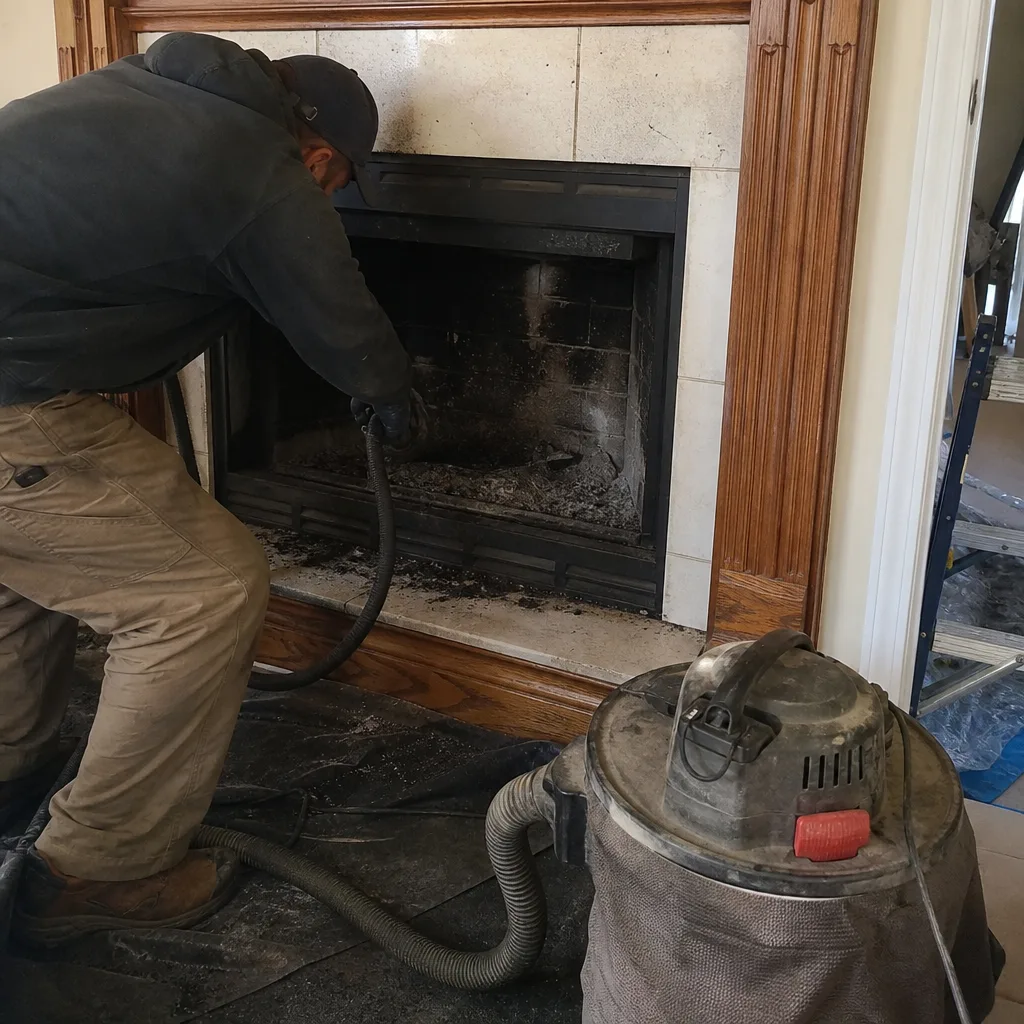 Before
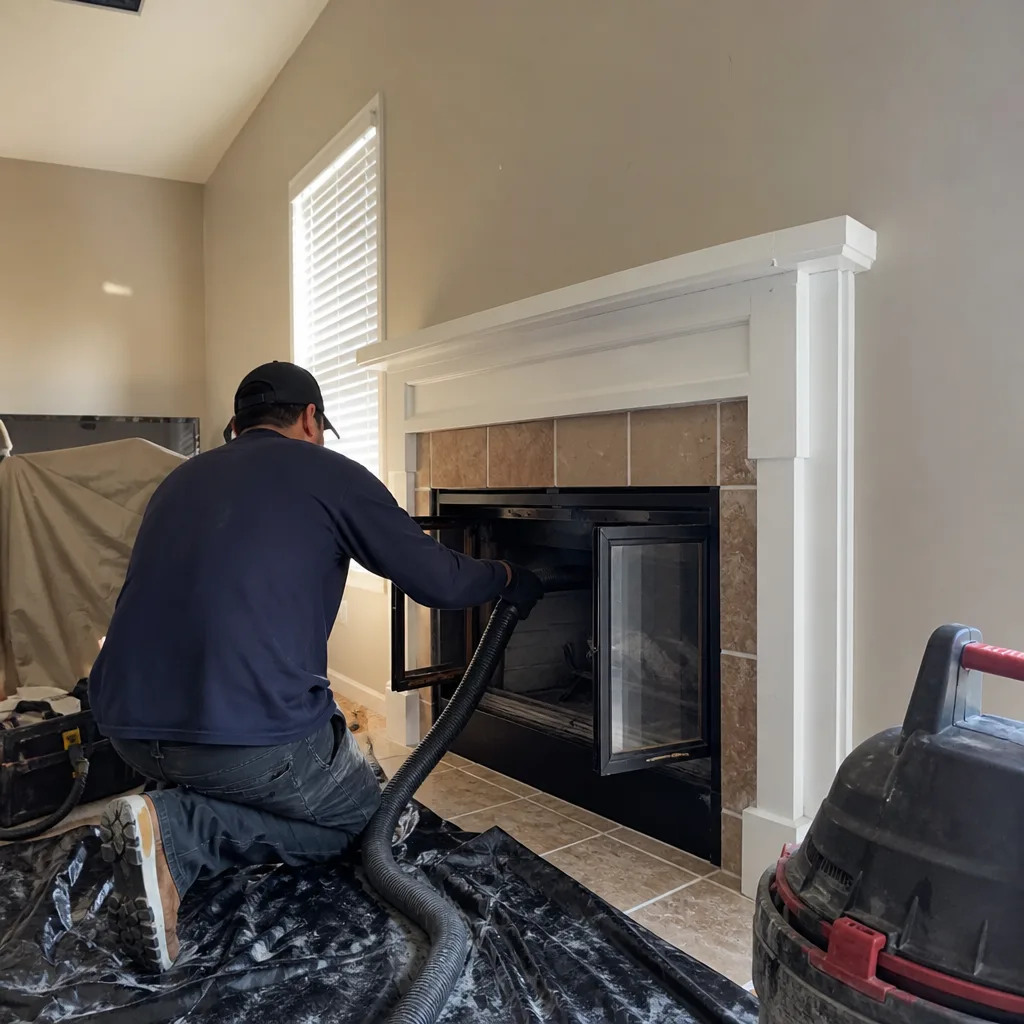 After
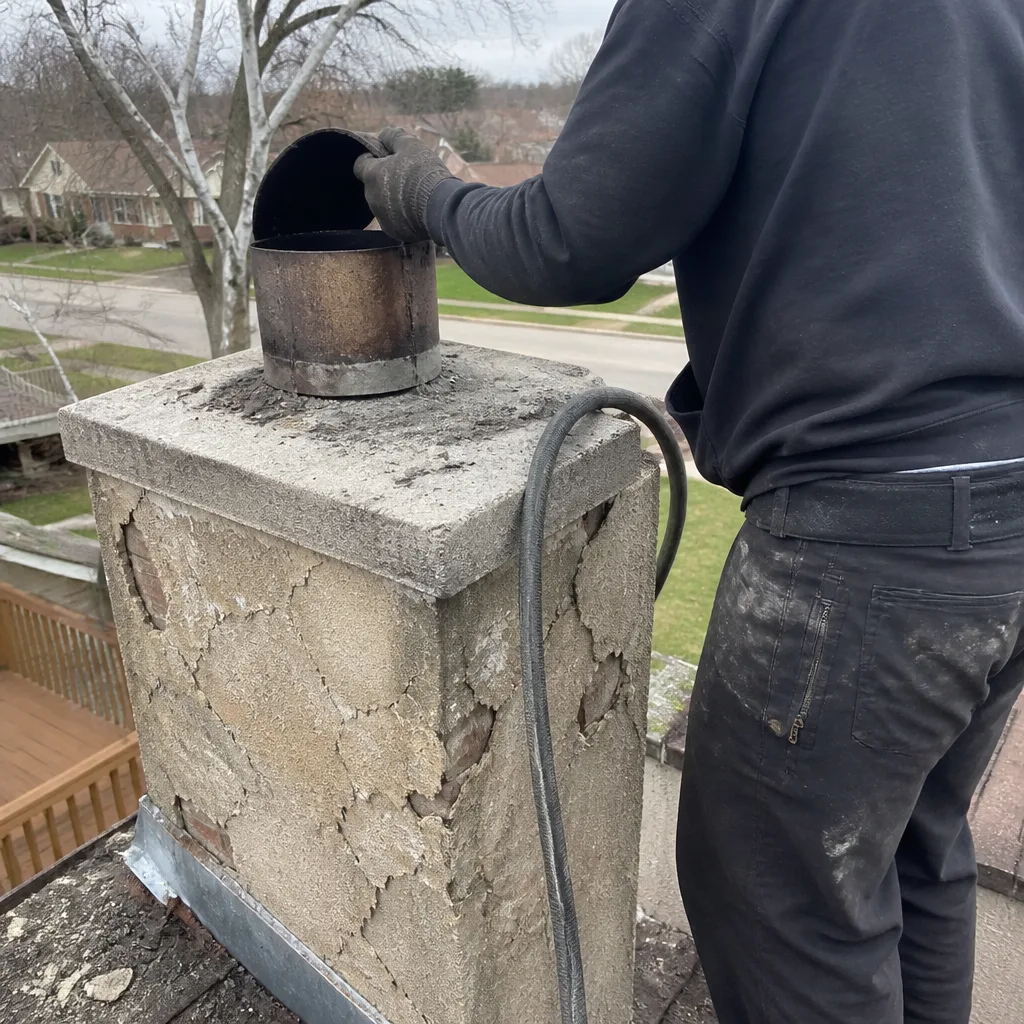 Before
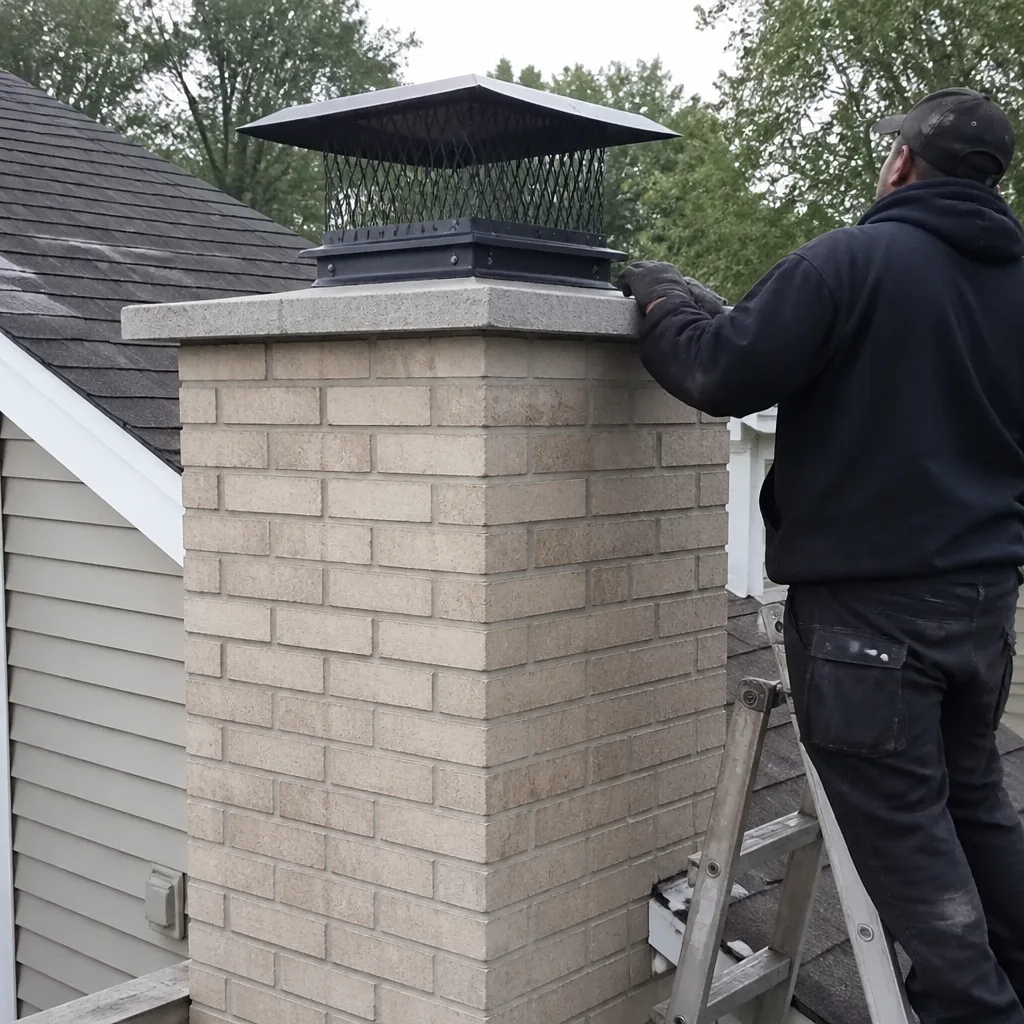 After
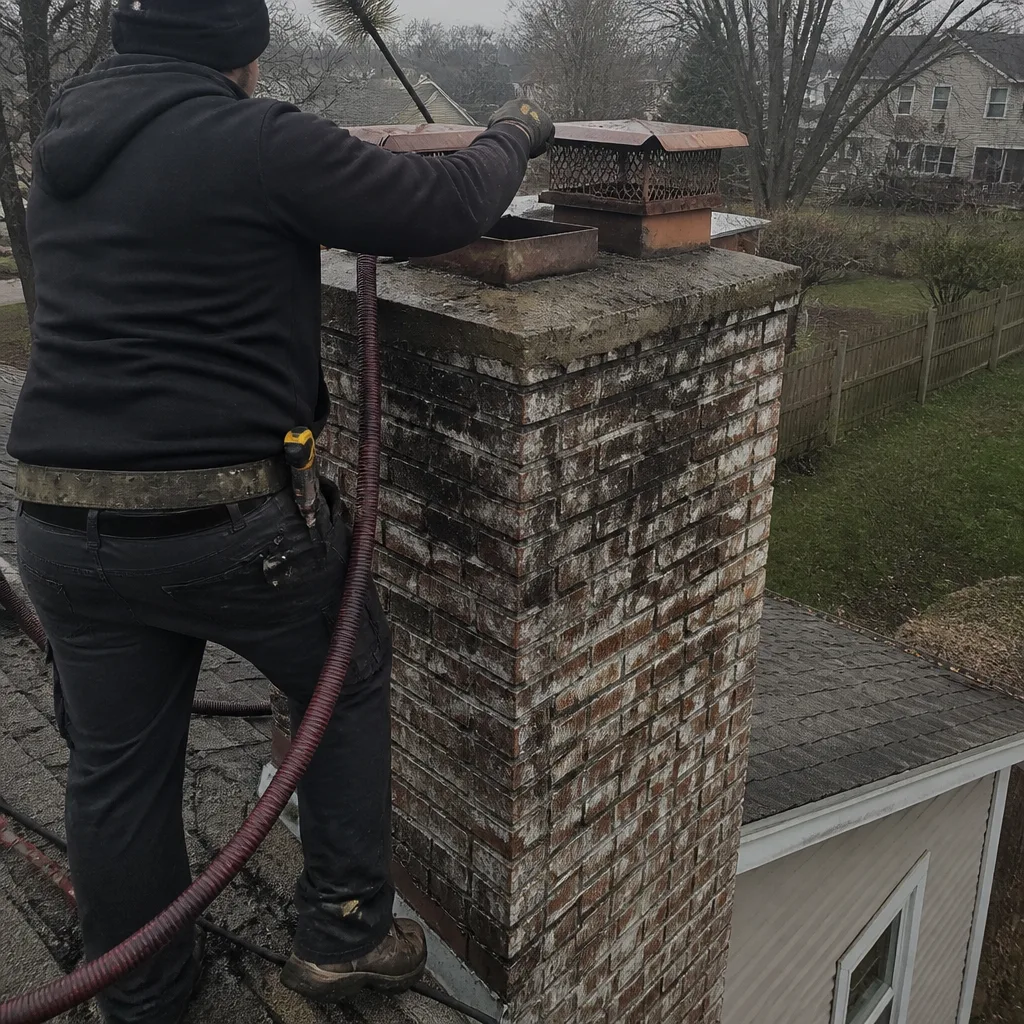 Before
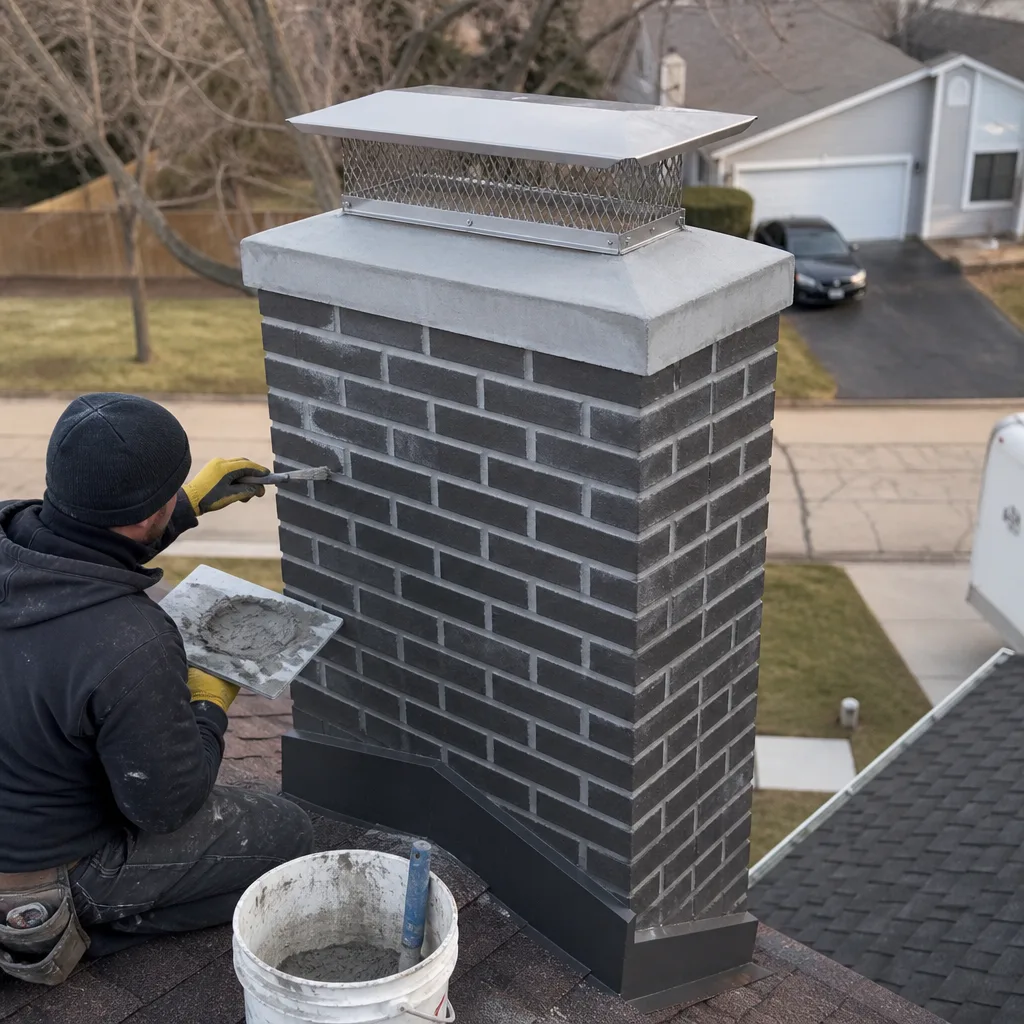 After