Last updated October 30, 2026
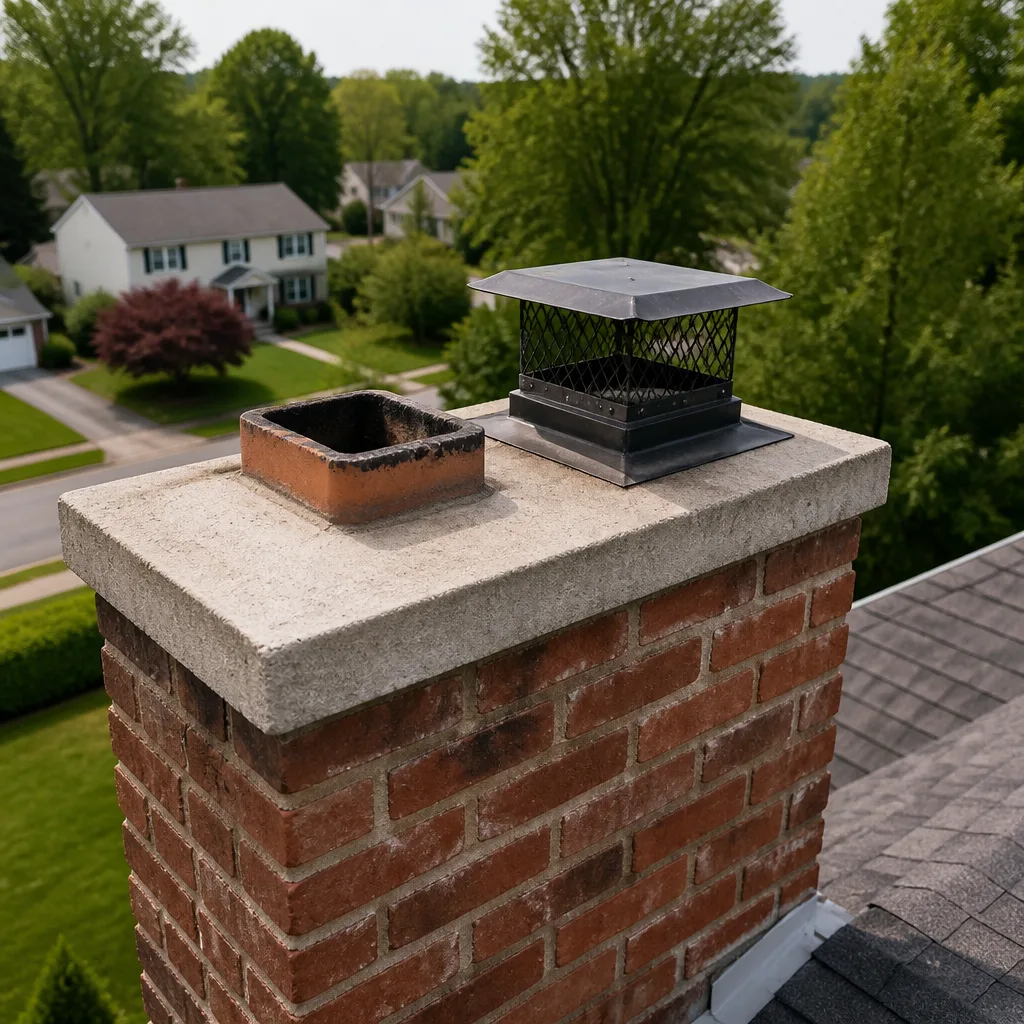 Sweep & inspection
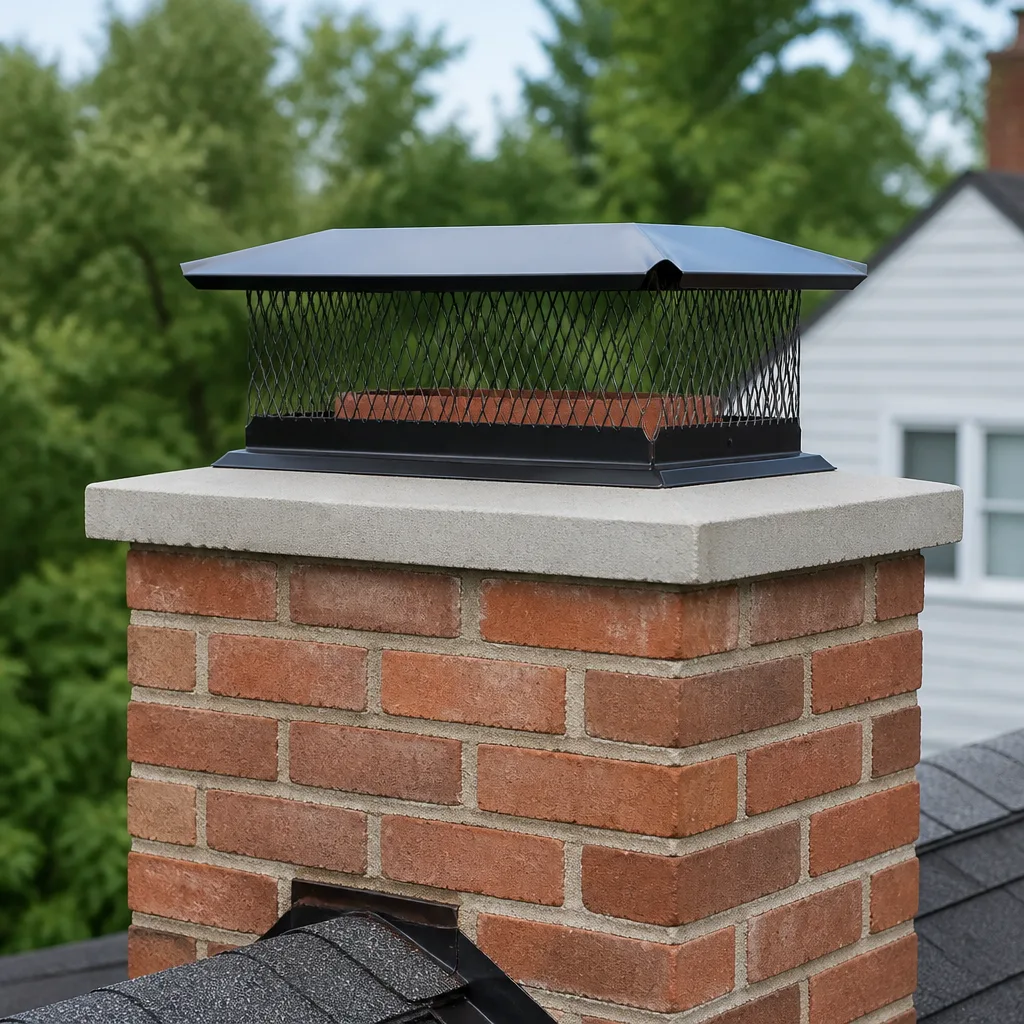 Caps & crowns
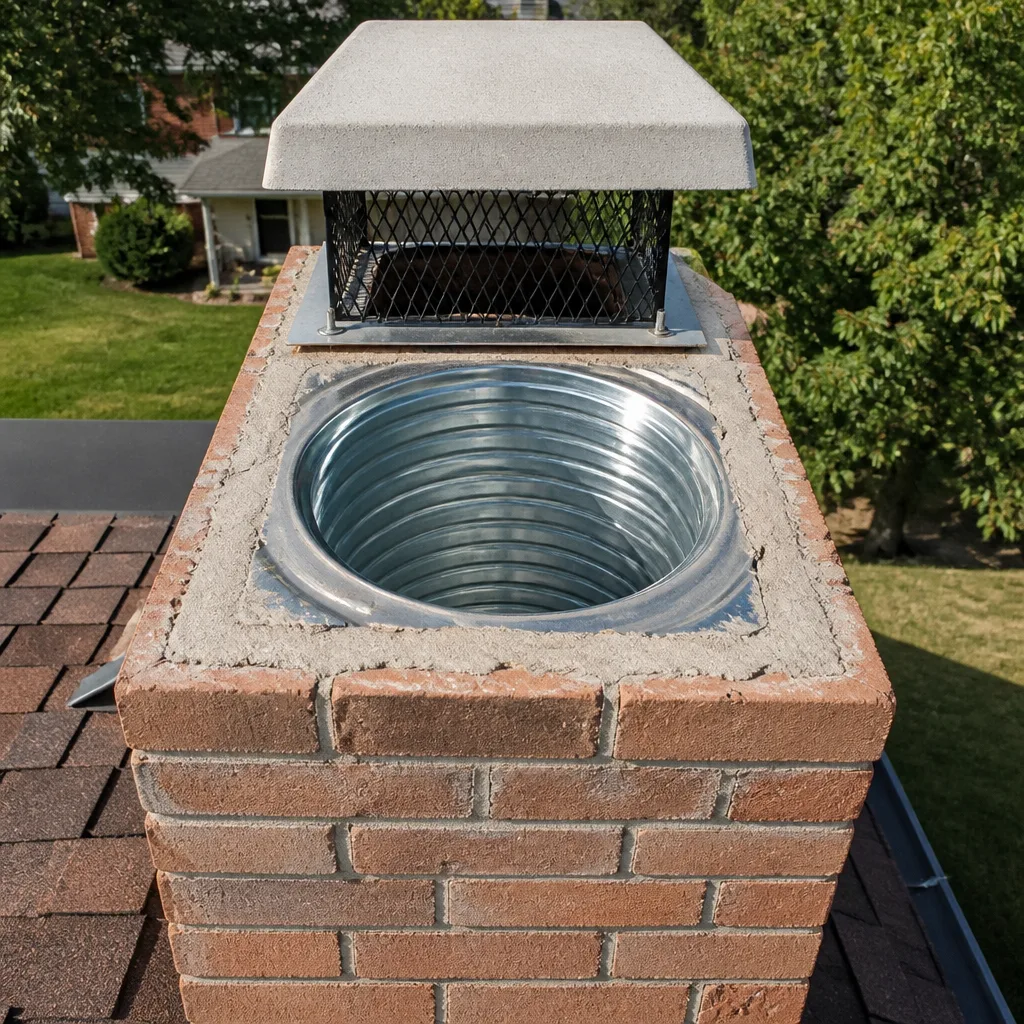 Flue relining
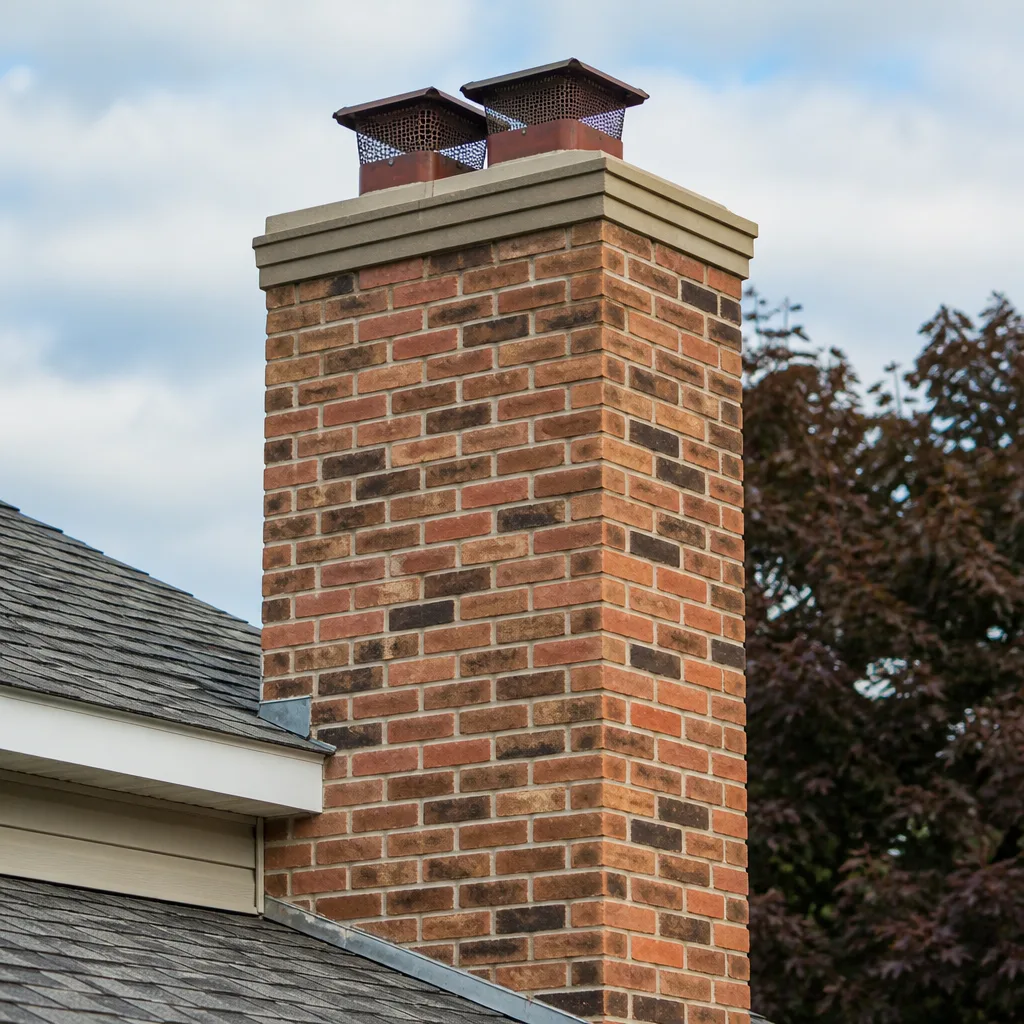 Masonry repair
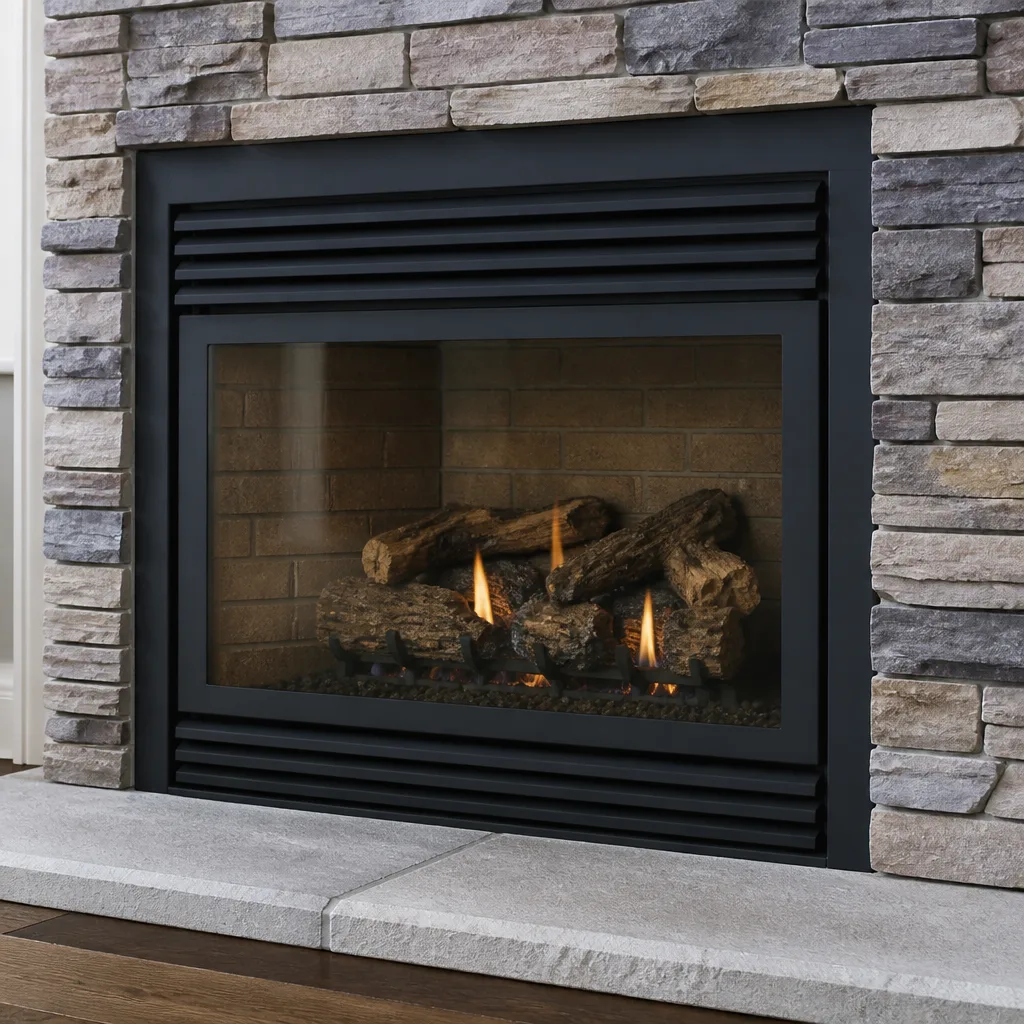 Gas fireplace service
Level 1 sweep and inspection to the NFPA 211 annual standard - flue, crown, cap, and flashing checked and photographed
Chimney sweep logs do not sweep chimneys. They loosen some creosote - which then falls where a brush and vacuum still have to collect it.
Chimney Cleaning Permits, Codes & Inspections in IL: What You Need to Know
No permit is required to clean a chimney in Illinois. But the moment a cleaning reveals a cracked flue liner, a deteriorated crown, or a firebox with crumbling mortar, you’ve crossed from maintenance into repair territory, and repair territory is where Illinois building codes and local permit requirements kick in. Homeowners in Bolingbrook and across DuPage and Will counties routinely discover this distinction the hard way, often during a home sale when an inspector flags unpermitted chimney work that was done years earlier. This guide explains exactly where that line sits, what codes govern chimney work in Illinois, how inspections work, and what happens when unpermitted repairs surface at closing. For more guides & resources, visit our blog.
Quick Answer
Chimney cleaning and routine sweeping are permit-exempt in Illinois under the state building code and local Bolingbrook amendments. However, structural repairs including liner replacement, crown rebuilds, firebox restoration, and masonry reconstruction require a building permit from your local jurisdiction, and work must comply with NFPA 211 standards referenced throughout Illinois code. A Level 2 chimney inspection is required by NFPA 211 when a property changes hands or an appliance is added, and that inspection often triggers permit requirements for any repair work it uncovers. Homeowners should consult our Chimney Cleaning Warning Signs: A Bolingbrook Homeowner’s Reference Guide to spot problems early.
Styles & brands we work with
Table of Contents
- What Chimney Work Is Permit-Exempt in Illinois
- What Chimney Work Triggers a Building Permit
- How NFPA 211 Governs Illinois Chimney Work
- DuPage County vs. Will County: How Permit Offices Differ
- Level 2 Inspections and Permit Requirements
- Unpermitted Chimney Work at Closing: What It Costs
- Common Mistakes to Avoid
- Frequently Asked Questions
What Chimney Work Is Permit-Exempt in Illinois
Chimney sweeping is classified as routine maintenance under Illinois law, meaning no permit, no inspection scheduling, and no municipal approval is required before a technician runs brushes through your flue. The same exemption applies to standard chimney cleaning, creosote removal, soot removal, and basic visual inspections. A Level 1 inspection, the type performed during an annual sweep, is also permit-exempt because it doesn’t involve any alteration to the structure. In Bolingbrook, homeowners can schedule a Chimney Sweep in Naperville or any surrounding municipality without touching a permit application.
The logic behind the exemption is straightforward. Cleaning removes material from an existing system without changing how that system functions. Nothing is being installed, modified, or reconstructed. The chimney’s dimensions, clearances, and connection points remain exactly as they were before the cleaning began. Illinois code treats this the same way it treats gutter cleaning or HVAC filter replacement: maintenance, not construction.
Permit-Exempt Chimney Work at a Glance
- Chimney sweeping and creosote removal: No permit required anywhere in Illinois.
- Level 1 visual inspection: No permit required. This is the standard annual check.
- Minor cap replacement: Swapping a damaged rain cap for a new one of the same size and configuration typically falls under routine maintenance, though some municipalities may classify it as a repair. Check with Bolingbrook’s building department if the cap needs custom fabrication.
- Chimney crown sealing: Applying a sealant to hairline cracks on a concrete crown does not require a permit. Rebuilding the crown from scratch does.
- Dryer vent cleaning: Completely separate from building permits. Dryer Vent Cleaning in Naperville and Bolingbrook is treated as essential maintenance with no municipal oversight.
Understanding this list matters because it protects you from two opposite problems. One, a contractor who tells you a permit is required for a simple sweep is either misinformed or padding the quote. Two, a contractor who says a liner replacement needs no permit is setting you up for a very expensive problem down the road, which we’ll get into later.
What Chimney Work Triggers a Building Permit
The Illinois State Building Code, which Bolingbrook adopts with local amendments, requires a building permit for any chimney work that alters the structure, changes the venting configuration, or replaces a system component with something materially different from the original. That includes work homeowners often assume is routine. A stainless steel liner replacement is a structural modification even though it fits inside the existing flue. A crown rebuild changes the chimney’s exterior envelope. Firebox repair involving refractory panels or parging alters the appliance’s combustion chamber. All of these require permits.
Here’s the specific list of chimney projects that trigger permit requirements in Bolingbrook and most DuPage County municipalities:
Permit-Required Chimney Work
- Flue liner replacement or installation: Whether rigid stainless steel or flexible systems from brands like DuraFlex, a liner change requires a permit because it alters the chimney’s venting characteristics.
- Chimney crown rebuild: Tearing out and re-forming a concrete crown is structural work. Sealing hairline cracks is not.
- Firebox repair or rebuild: Replacing refractory panels, parging the firebox walls, or reconstructing the hearth extension all require permits when they involve material changes.
- Masonry reconstruction: Rebuilding chimney shoulders, replacing spalled brick courses, or repointing that goes beyond cosmetic tuckpointing into structural repair.
- Appliance changeouts: Swapping a wood stove for a gas insert, or changing from a natural draft to a direct vent configuration, requires a permit because the venting system is being reconfigured.
- Chimney height modifications: Adding or removing chimney height to fix draft issues changes the structure’s profile and requires permit approval.
In our experience, the single most common unpermitted chimney job we see in Bolingbrook is a liner replacement done by a handyman or a general contractor who never pulls the permit. The work may be functional. The liner may be a quality product. But when that home goes up for sale, the inspector’s report shows a liner that clearly wasn’t original, and no permit exists in the village’s records. That creates a disclosure problem for the seller that a $200 permit would have avoided entirely.
How NFPA 211 Governs Illinois Chimney Work
Illinois building code references NFPA 211, the National Fire Protection Association standard for chimneys, fireplaces, vents, and solid fuel burning appliances, as the governing technical standard for chimney design, construction, and maintenance. NFPA 211 is not a law itself. It becomes enforceable when a state or municipal code adopts it, which Illinois has done. Any permitted chimney work in Bolingbrook must comply with NFPA 211 requirements for clearances, liner sizing, termination heights, and appliance connections.
The standard covers specific technical requirements that affect what a contractor can and cannot do:
Key NFPA 211 Requirements That Affect Illinois Homeowners
- Clearances to combustibles: NFPA 211 specifies minimum distances between a masonry chimney’s exterior and combustible framing members. For an exterior masonry chimney, that’s typically 1 inch. For interior chimneys, it’s 2 inches. These clearances are checked during any permitted repair or renovation.
- Liner sizing: The flue liner must be sized to the appliance it serves. A liner that’s too large cools flue gases too quickly, creating excessive creosote formation. One that’s too small can’t evacuate properly. NFPA 211 provides detailed sizing tables that every permitted liner installation must follow.
- Termination height: The chimney must extend at least 3 feet above the roofline where it penetrates and at least 2 feet above any structure within 10 feet. This is the famous “3-2-10 rule,” and it’s one of the most commonly cited violations during chimney inspections in Bolingbrook.
- Appliance connections: Connectors between stoves and inserts and the chimney itself must meet specific gauge, pitch, and clearance requirements. NFPA 211 limits connector length and requires proper fastening and sealing at each joint.
When a chimney repair requires a permit, the inspector will check compliance with these standards before signing off. Our team works with products from brands like Olympia Chimney and Gelco specifically because they’re engineered to meet NFPA 211 specifications out of the box. That eliminates guesswork during the inspection process and gives the Bolingbrook building department documentation they recognize.
DuPage County vs. Will County: How Permit Offices Differ
Bolingbrook is uniquely positioned for this discussion because the village straddles two counties. Most of Bolingbrook sits in Will County, but a significant northern section falls within DuPage County. Homeowners in different parts of Bolingbrook face slightly different permit processes depending on which county their address falls under. The village itself handles building permits for both areas, but the county inspection offices provide oversight and code enforcement support.
How the Two Counties Approach Chimney Permits
DuPage County has a reputation for aggressive code enforcement. Permit applications for chimney repairs are typically processed within 5 to 7 business days. Inspections are scheduled quickly, often within 48 hours of a request. The county’s inspectors are known for thoroughness, which means unpermitted work gets caught more often. A homeowner in the DuPage section of Bolingbrook who replaces a liner without a permit has a high probability of that work being flagged during a future inspection or home sale.
Will County tends to be more variable. Turnaround times range from a few days to a few weeks depending on season and volume. Spring, when roofing and masonry contractors are busiest, creates backlogs. Will County inspectors are equally competent but often have larger territories to cover, which can delay inspection scheduling. The practical takeaway for Bolingbrook homeowners is that planning ahead matters more in Will County. If your chimney sweep identifies repair work in September, starting the permit process immediately means you’ll have approval before heating season begins. Our Chimney Sweep Maintenance Checklist for Bolingbrook Homeowners can help you stay ahead of seasonal needs.
What Both Counties Require for a Chimney Repair Permit
- Permit application: Available through the Bolingbrook building department, which routes to the appropriate county as needed.
- Scope of work description: A clear statement of what’s being repaired, replaced, or rebuilt.
- Contractor information: Licensed contractor details, including state license and insurance documentation.
- Inspection scheduling: Rough inspection during the work if the repair involves internal components, and a final inspection once the work is complete.
- Documentation: Photos or manufacturer specification sheets for any liner systems or components being installed.
The permit fee for chimney repairs in Bolingbrook is typically modest, usually in the low three figures depending on project scope. That’s a small fraction of the cost of the repair itself, and an even smaller fraction of the cost of resolving an unpermitted work issue during a home sale.
Level 2 Inspections and Permit Requirements
NFPA 211 defines three levels of chimney inspection. Level 1 is the standard annual visual check, performed from accessible areas without special equipment. Level 3 is the most invasive, typically requiring demolition to access concealed areas. Level 2 sits between them and is what matters most for this discussion because it’s required in two specific situations: when a property is being sold or transferred, and when a change is made to the appliance or venting system.
A Level 2 inspection includes everything in a Level 1 plus access to accessible attic, crawlspace, and basement areas; inspection of the chimney exterior from the roofline; and a video scan of the flue interior using a specialized camera. The video scan is the critical component. It reveals the condition of the flue liner in a way that a visual inspection from the top or bottom simply cannot.
How Level 2 Inspections Trigger Permit Work
When a Level 2 inspection is performed during a home sale in Bolingbrook, the camera often reveals problems the homeowner didn’t know existed. Cracked clay tile liners. Separated flue sections. Missing mortar joints. Corroded metal liners. Each of these findings changes the transaction because the buyer’s inspector will flag them as safety issues requiring correction. For help diagnosing these issues yourself, see our Chimney Sweep Troubleshooting: Common Problems and How to Fix Them. And each correction, as we established earlier, requires a permit.
This is where the sequence matters. A Level 2 inspection before listing gives the seller time to address issues properly, with permits, at a pace that allows for competitive contractor pricing. A Level 2 inspection performed by the buyer’s inspector during escrow creates a compressed timeline where the seller has days, not weeks, to resolve problems. Unpermitted, rushed repairs become tempting. That’s precisely what creates the closing-day disclosures that cost sellers thousands in concessions.
The same logic applies when adding a wood stove or gas insert to an existing fireplace. NFPA 211 requires a Level 2 inspection before the appliance change, and any deficiencies found must be corrected before the new appliance goes in. Those corrections, if structural, require permits. A homeowner who skips the Level 2 inspection and the permit process is installing a new appliance on a system that hasn’t been verified safe. That’s a genuinely dangerous gamble, not a paperwork technicality.
At Summit Peak, we use camera inspection equipment on every Level 2 because manufacturers like Copperfield design sweep tools and camera systems specifically for documenting flue conditions in a way building inspectors accept. The point isn’t the equipment. The point is that a documented, photographed flue condition makes permit applications straightforward and inspection approvals predictable.
Unpermitted Chimney Work at Closing: What It Costs
Unpermitted chimney repairs surface at closing with surprising frequency in DuPage County. The scenario usually works like this: a homeowner lists a house in Bolingbrook. The buyer’s home inspector does a standard visual check and notices a stainless steel liner that looks newer than the rest of the chimney. The inspector calls for a Level 2 inspection. The camera confirms a liner replacement. The buyer’s attorney then pulls the village’s permit records. Nothing exists. Now the seller has a disclosure problem on a legally binding document.
When a seller signed a disclosure stating no unpermitted work was done, and permit records show otherwise, the transaction doesn’t just proceed with a credit. The seller faces potential liability after closing if the buyer can demonstrate the disclosure was false. Attorneys representing sellers in this situation typically advise negotiating a credit to cover permit retrofitting, inspection fees, and potential correction work. That credit, in Bolingbrook, typically ranges from $1,500 to $5,000 depending on the scope of the unpermitted work.
The alternative is doing it right the first time. A permit for a liner replacement costs a few hundred dollars. The inspection adds a small fee. The total is almost always under $500. Compare that to a $5,000 closing credit and the math is obvious. And that’s before considering the non-financial costs: delayed closings, stressed transactions, and the lingering question of whether the unpermitted work was done to code at all.
What Unpermitted Work Typically Costs to Resolve
- Permit retrofitting: $150 to $500 depending on the municipality and work scope. Some jurisdictions charge double fees for retroactive permits.
- Inspection fees: $75 to $200 for the required post-permit inspection.
- Correction work: $500 to $3,000 if the unpermitted work doesn’t meet current code and must be brought into compliance.
- Attorney involvement: $500 to $2,000 in legal fees when disclosure disputes arise.
- Negotiated credits: $1,500 to $5,000 in concessions to keep a deal alive.
The lesson here isn’t that permits are fun or that building departments are friendly places. The lesson is that permits are cheap insurance against a specific, predictable, expensive problem. When a chimney repair is done properly with permits in Bolingbrook, the paper trail exists. When it’s done without, that paper trail doesn’t, and its absence becomes a negotiating weapon in the buyer’s hands.
Common Mistakes to Avoid
- Assuming all chimney work is permit-free because cleaning is. The cleaning-to-repair distinction is the single most misunderstood aspect of chimney code compliance in Illinois. Sweeping is maintenance. Liner replacement is construction. Treating them the same creates exposure you can’t see until it’s too late.
- Hiring a contractor who says “we don’t need permits for this.” A contractor who dismisses permit requirements is either unfamiliar with Illinois code or actively avoiding oversight. Either way, they’re not the person you want doing structural work on your chimney. In Bolingbrook, the permit process exists precisely because unpermitted chimney work has caused problems.
- Skipping the Level 2 inspection before an appliance change. Adding a wood stove or gas insert without first verifying the existing flue’s condition is like buying new tires for a car with a cracked axle. The inspection isn’t optional under NFPA 211, and skipping it voids the manufacturer’s warranty on many new appliances.
- Confusing repointing with structural repair. Tuckpointing that replaces deteriorated mortar joints at a shallow depth is often considered maintenance. Rebuilding structurally compromised masonry is not. If a mason starts removing bricks rather than just repointing joints, you’ve entered permit territory.
- Believing a home inspector is the same as a chimney inspector. A general home inspector performs a visual check from accessible angles. A Level 2 chimney inspection involves camera work inside the flue. The two are not equivalent, and a clean general report says nothing about what’s happening inside the liner.
- Waiting until fall to address issues found in spring. The seasonal rush in Will County means September permit applications compete with every roofing and masonry contractor in the region. Issues identified in spring can be permitted and repaired during summer, before the heating season creates demand.
See the difference
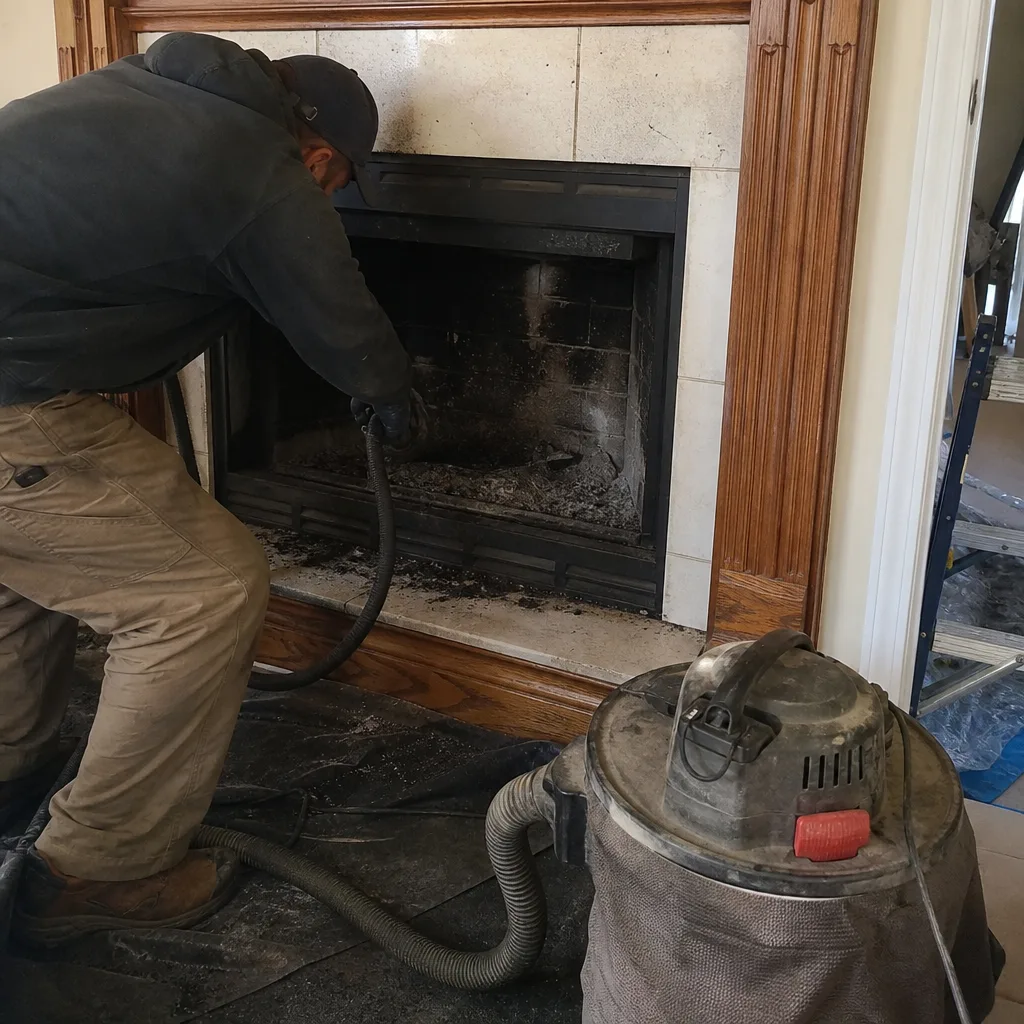 Before
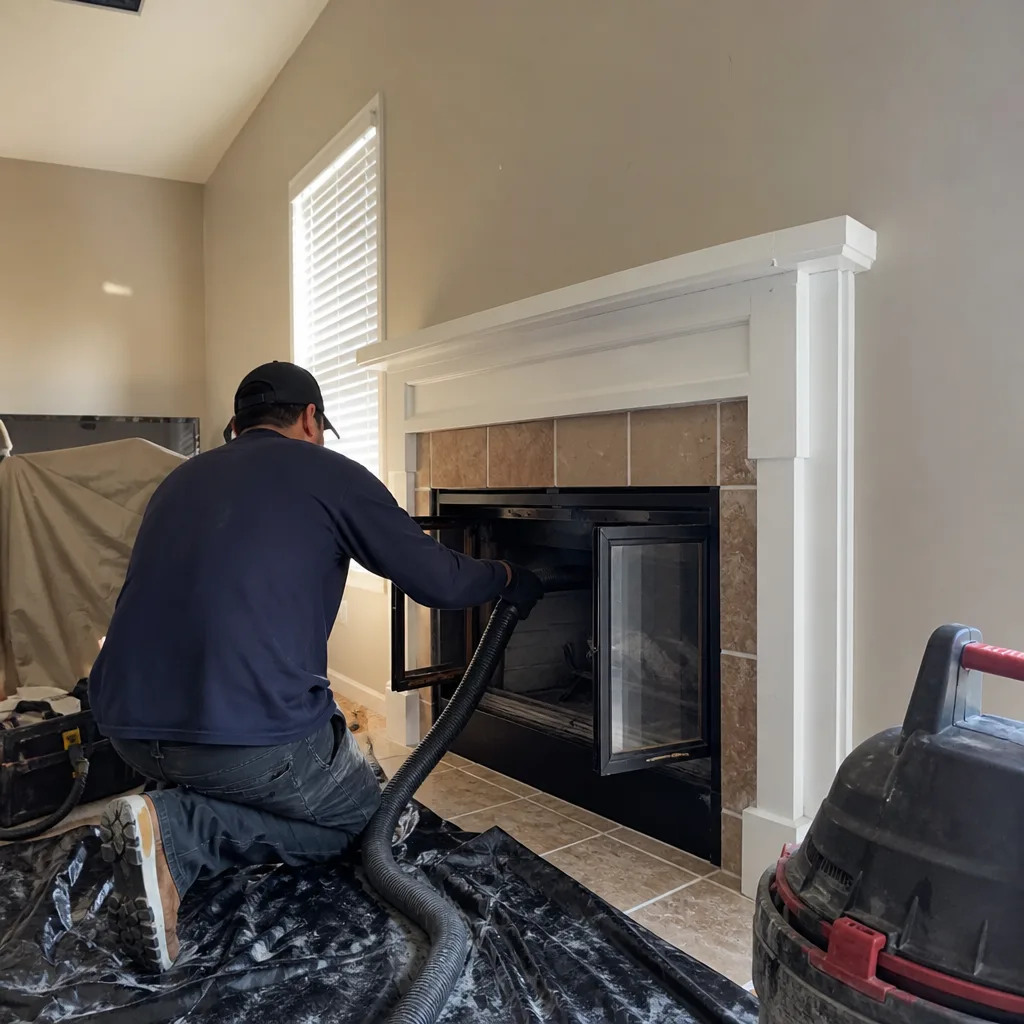 After
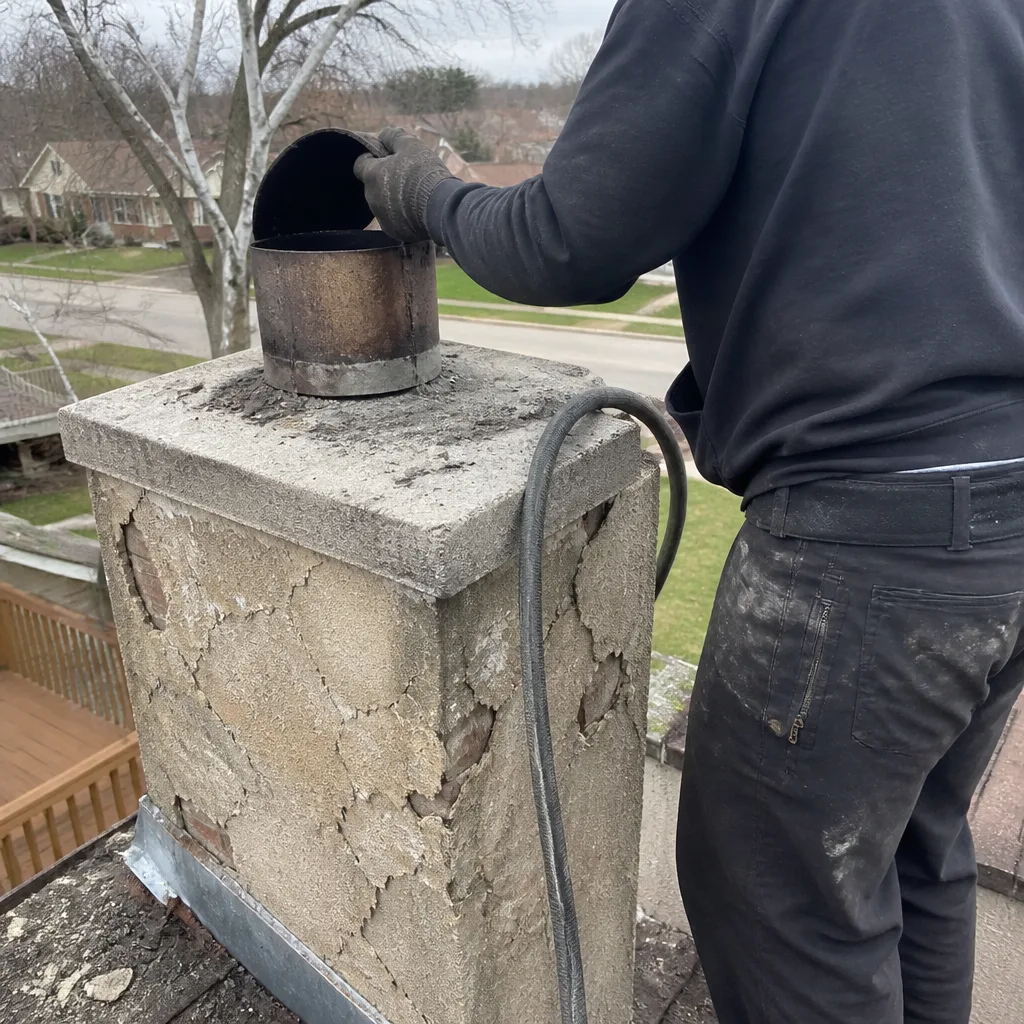 Before
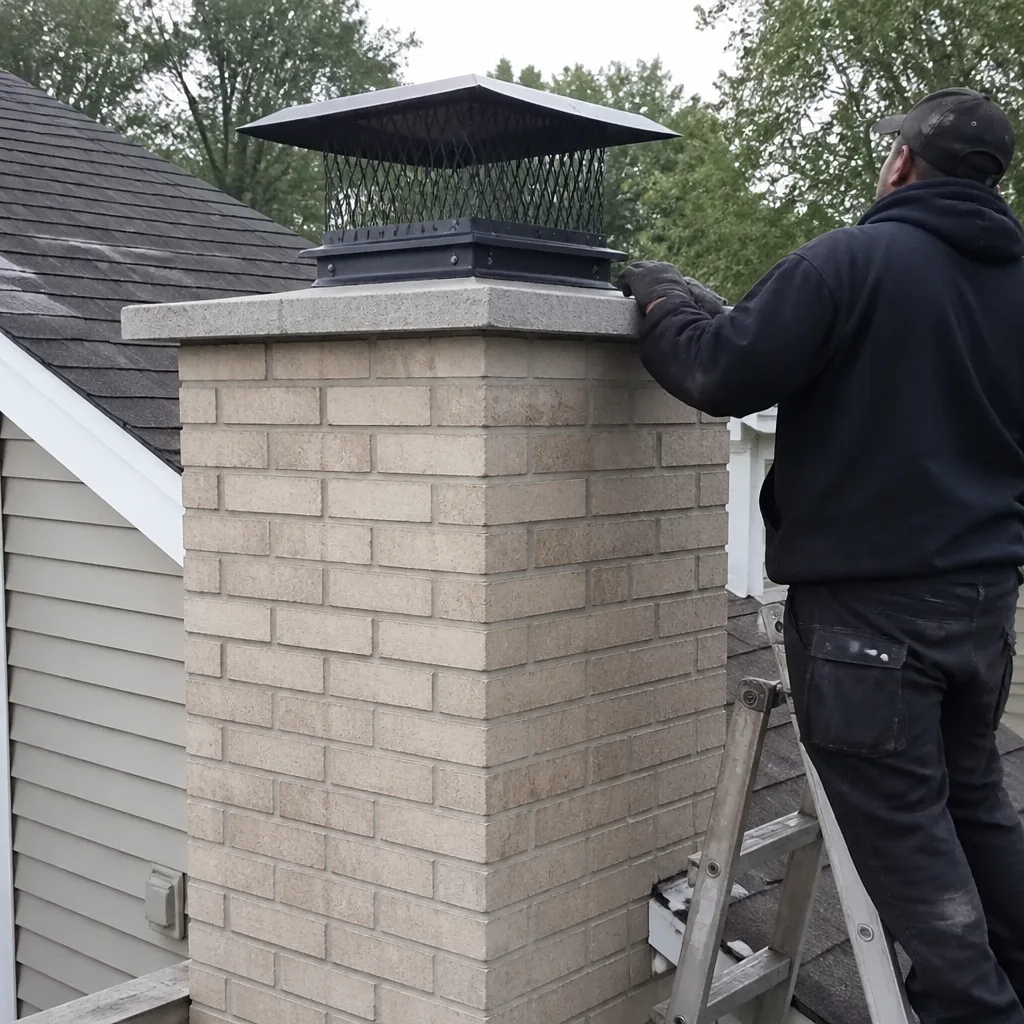 After
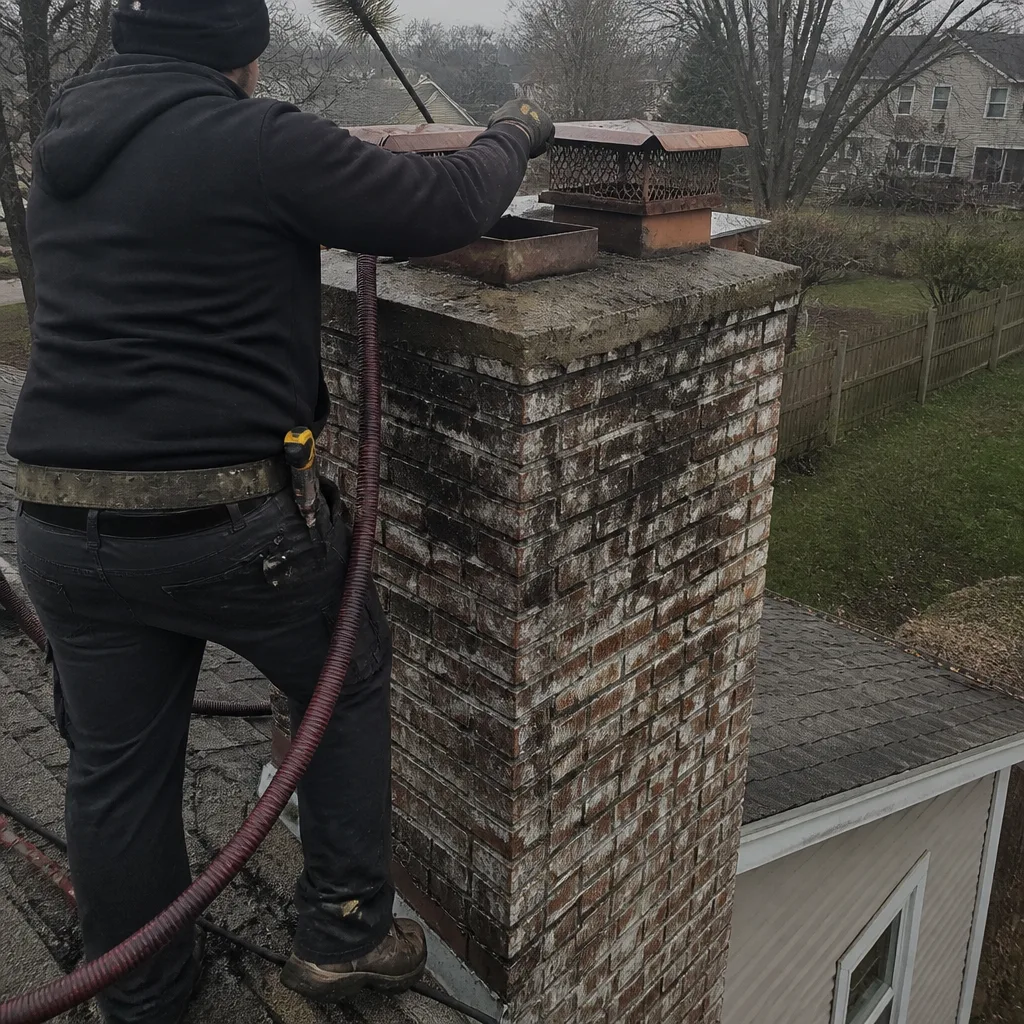 Before
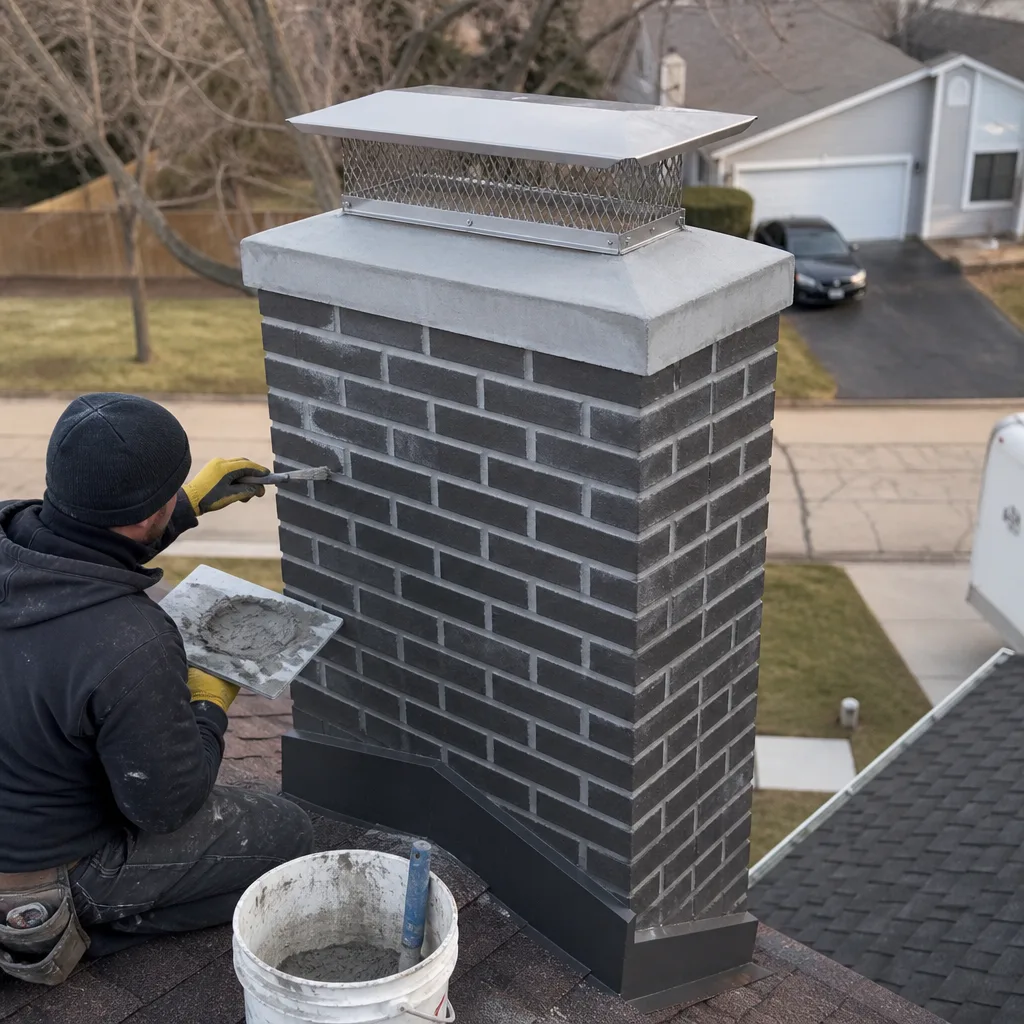 After
When to Call a Professional
You need a qualified professional when a chimney inspection reveals any structural issue that requires a permit: cracked liners, deteriorated crowns, failing fireboxes, or masonry that’s lost structural integrity. You also need a professional for any Level 2 inspection, since the camera equipment and the interpretation of what the camera finds require specialized training. And if a home sale is on your horizon, a Level 2 inspection before listing is the single most effective way to avoid the closing-table surprises this guide describes. Summit Peak Chimney Sweep offers free estimates in Bolingbrook. Call (855) 382-3714 to schedule a Level 2 inspection and get a documented, camera-verified assessment of your chimney’s condition before it becomes a transaction problem.
Frequently Asked Questions
A standard chimney sweep and Level 1 inspection in Bolingbrook typically costs between $180 and $320, depending on the chimney’s size, accessibility, and creosote volume. If a Level 2 inspection with camera scan is needed, expect to add roughly $100 to $200. Call (855) 382-3714 for an exact quote. Estimates are free.
No permit is required to clean your own chimney in Illinois, regardless of whether you do it yourself or hire a professional. Chimney cleaning is routine maintenance with no structural alteration. However, a professional cleaning includes an inspection that may reveal repair needs, and those repairs may trigger permit requirements.
If your buyer’s inspector finds chimney deficiencies during escrow, you’ll be negotiating repairs under a compressed timeline with limited contractor availability. The buyer’s leverage is high, and concessions in Bolingbrook typically run $1,500 to $5,000 for chimney issues. An Chimney Repair in Naperville or Bolingbrook addressed before listing costs far less. Call (855) 382-3714 to schedule a pre-listing Level 2 inspection.
The National Fire Protection Association recommends a chimney sweep and inspection at least once per year for wood-burning fireplaces and stoves. Homes in Bolingbrook that burn frequently during the long Midwest heating season, typically November through March, may need a mid-season sweep if creosote accumulates faster than expected. Gas fireplaces need less frequent cleaning but still require annual inspection of the venting system.
Gas fireplaces still require annual inspection of the venting system, even though they produce no creosote. The vent pipe can deteriorate, become blocked by debris or animal nests, or develop connection failures. NFPA 211 applies to gas venting systems, and Level 1 inspections are recommended annually. Level 2 inspections are required when the appliance is changed or the home is sold, same as wood-burning systems.
While Illinois law doesn’t prohibit a homeowner from pulling their own permit for chimney repairs, the work itself involves structural components, specialized materials, and code requirements that most homeowners aren’t equipped to handle. A liner installation that doesn’t meet NFPA 211 clearance or sizing requirements creates a fire risk that no permit savings justifies. And unpermitted work of any kind, whether DIY or contractor-performed, creates the closing-table liabilities described in this guide.
The Bottom Line
Chimney cleaning in Illinois requires no permit, but the repairs that cleaning reveals almost always do. Knowing which side of that line you’re on determines whether you’re creating a documentable safety improvement or a future disclosure problem. The permit process in Bolingbrook, whether through DuPage or Will County, is straightforward and inexpensive compared to the alternatives. NFPA 211 provides clear technical standards that competent contractors meet as a matter of routine. Get the Level 2 inspection, pull the permit when the work warrants it, and keep the paperwork. Your chimney will be safer, and your home sale will be cleaner. Summit Peak Chimney Sweep home provides documented, camera-verified inspections with straightforward recommendations. Call (855) 382-3714 for a free estimate.
Written by the team at Summit Peak Chimney Sweep, serving Bolingbrook since 2018.