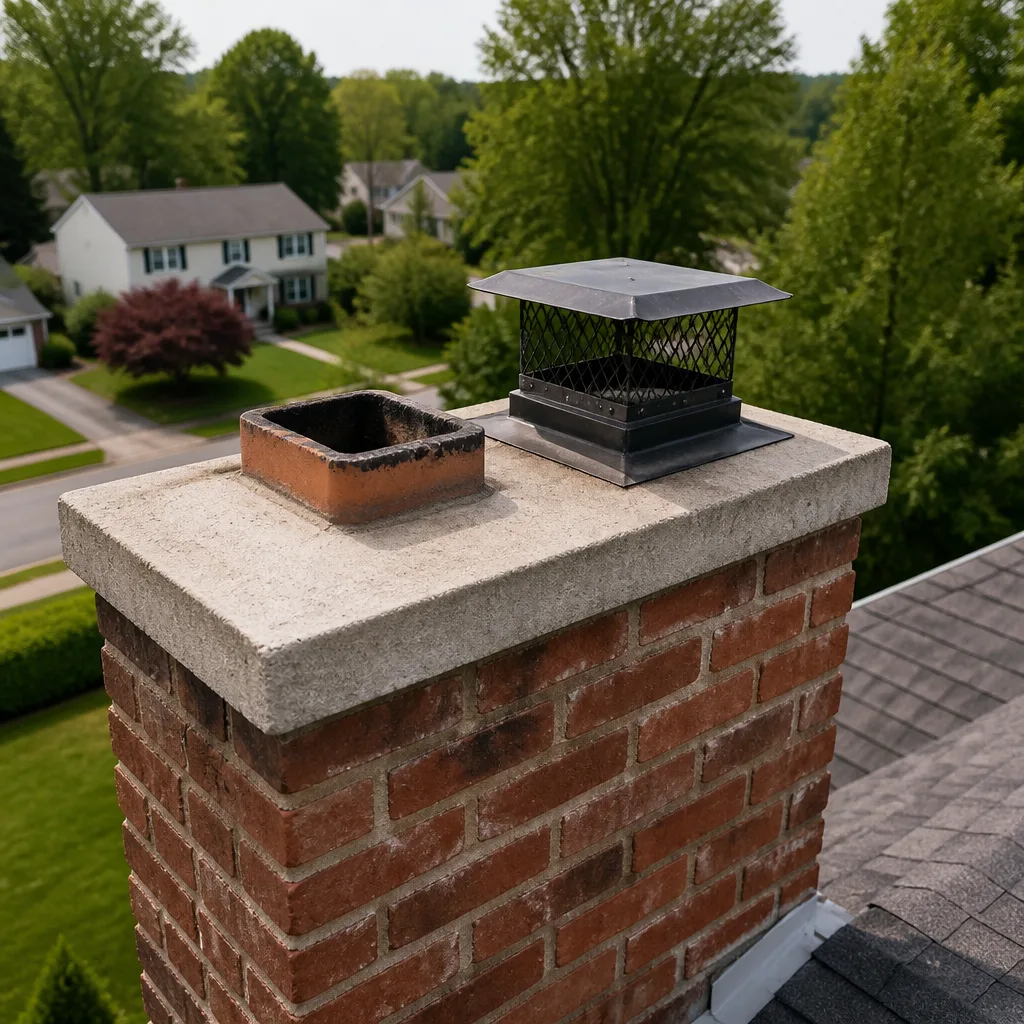
 Sweep & inspection
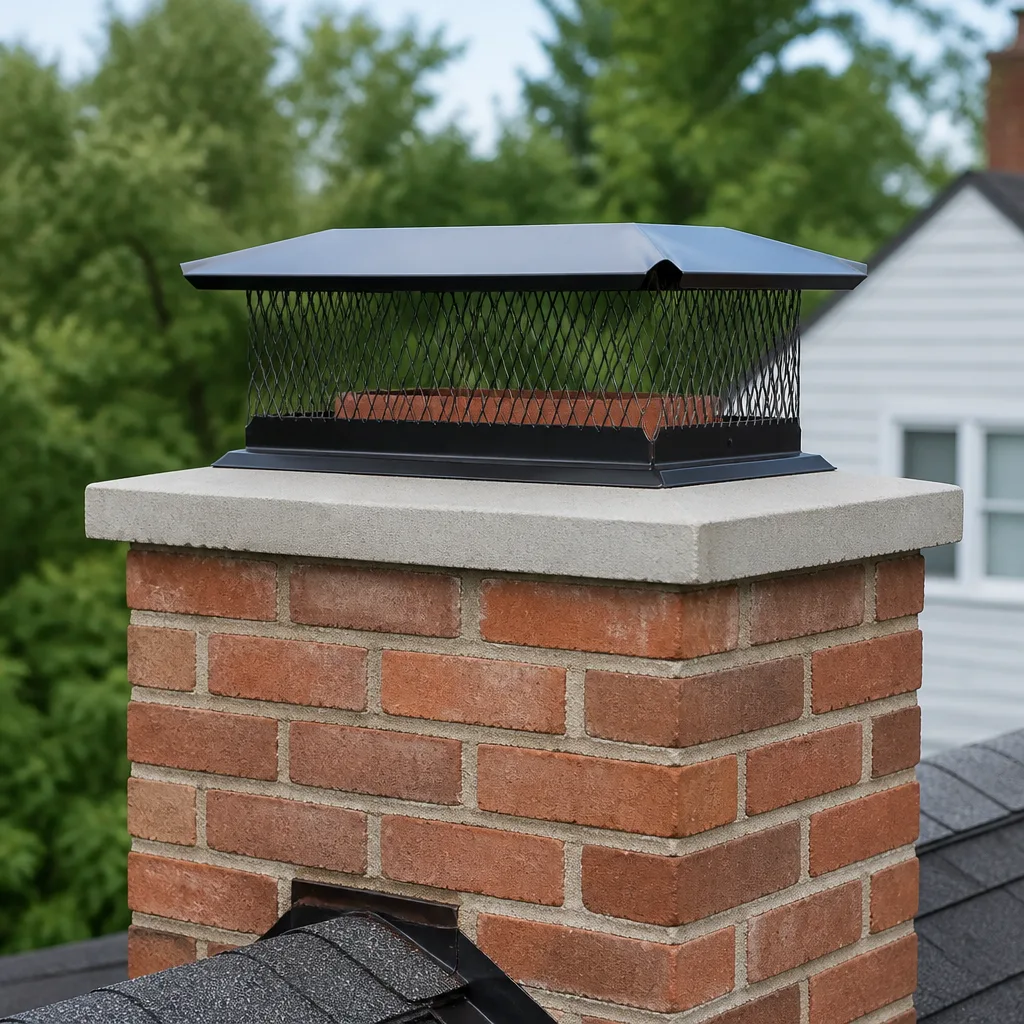 Caps & crowns
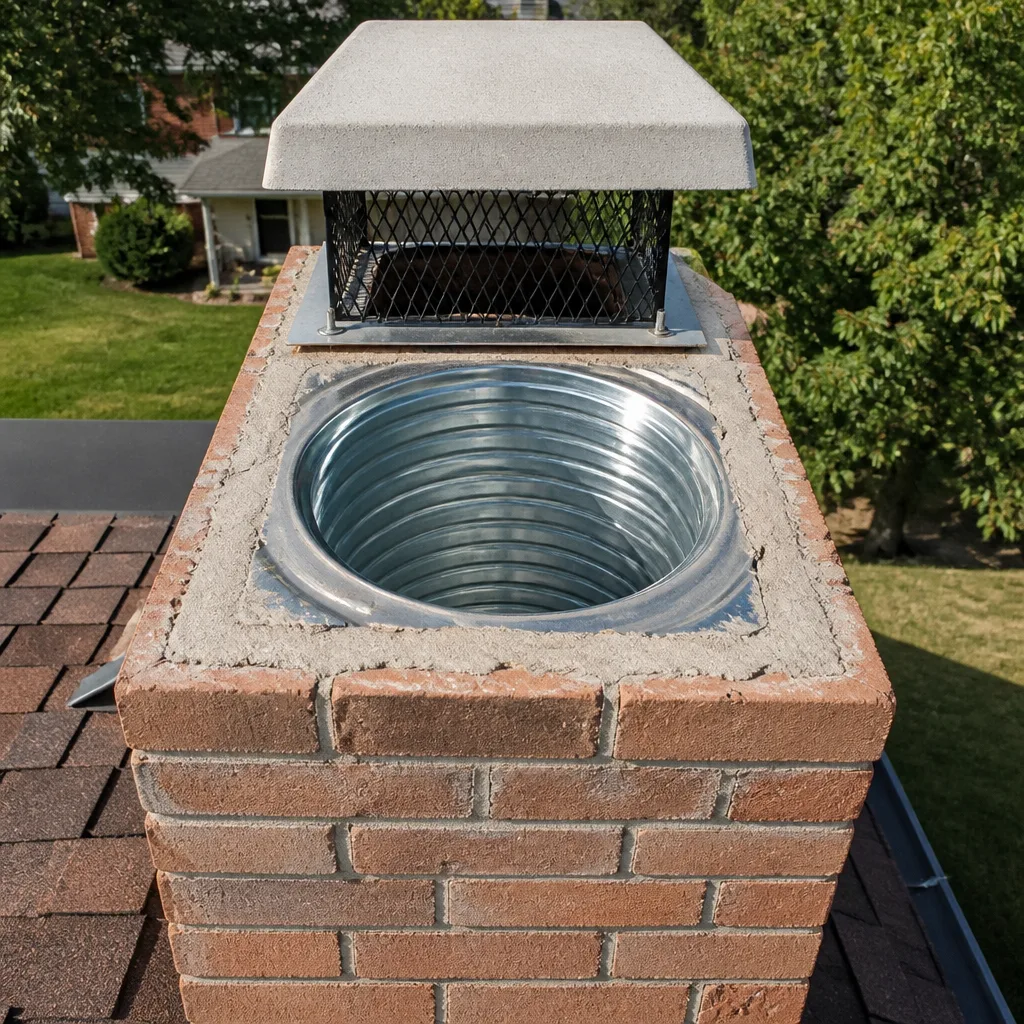 Flue relining
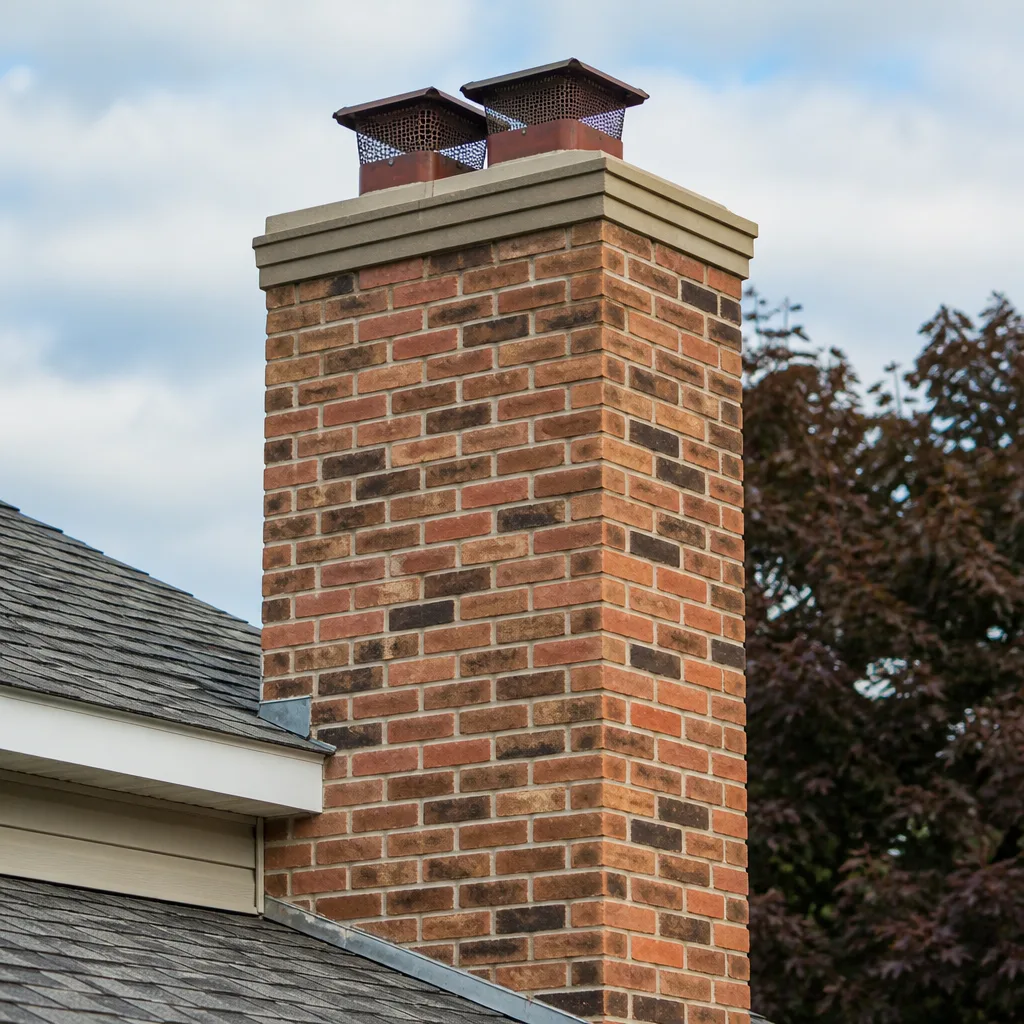 Masonry repair
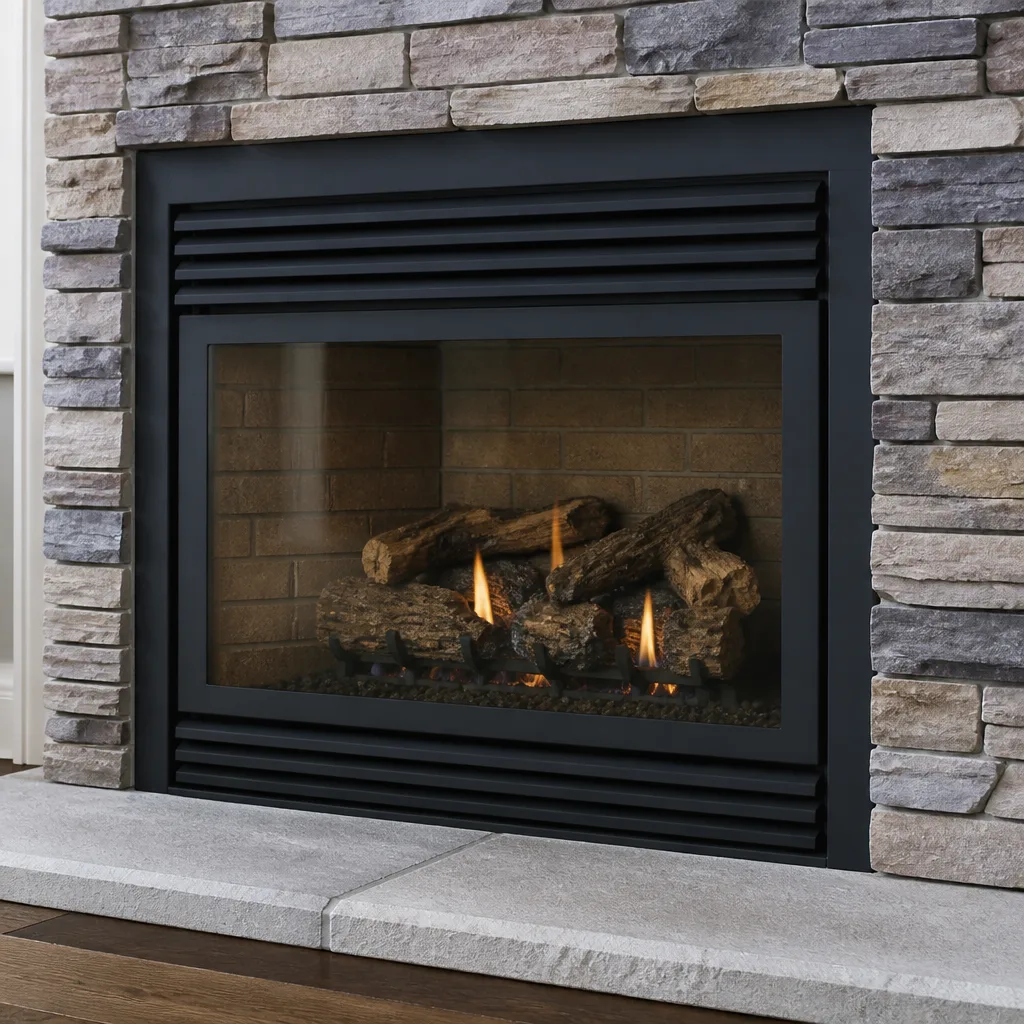 Gas fireplace service
Level 1 sweep and inspection to the NFPA 211 annual standard - flue, crown, cap, and flashing checked and photographed
Chimney sweep logs do not sweep chimneys. They loosen some creosote - which then falls where a brush and vacuum still have to collect it.
Why Bolingbrook Homeowners Choose HeatShield Chimney Cleaning
Summit Peak Chimney Sweep provides independent HeatShield repair in Bolingbrook, Illinois, specializing in the HeatShield refractory resurfacing system for fireboxes, smoke chambers, and crowns. We’re not affiliated with or authorized by HeatShield, but we’ve hand-troweled their materials across hundreds of Bolingbrook fireplaces and know exactly where the product saves a chimney and where it cannot. If your firebox is spalling or your smoke chamber is glazed over, call (855) 382-3714 and we’ll tell you straight whether HeatShield is the right fix.
Most Bolingbrook chimneys we open up fall into one of two camps: either the firebox brick looks tired but still has structural integrity, or it’s too far gone for any resurfacing product to bond. HeatShield sits between those two outcomes, and knowing which side of the line your fireplace falls on is the whole job. A clean flue is the whole job – everything else is just finding out why it isn’t.
Why Trust Summit Peak Chimney Sweep for Your HeatShield Chimney Cleaning?
HeatShield is a refractory mortar system, not a paint. It cures hard, bonds to properly prepared masonry, and handles the thermal cycling of a working fireplace. But it fails fast when someone skips the prep work. We’ve seen HeatShield delaminate inside a single heating season because a previous contractor troweled it over glazed creosote or loose, spalling brick. That’s not a product failure. That’s an application failure.
Norm Bledsoe, owner of Summit Peak Chimney Sweep, has spent the better part of two decades working chimneys across the southwest suburbs, including HeatShield repair in Romeoville, and Bolingbrook has been home base the whole time. He grew up near Springbrook Prairie Forest Preserve and still walks those trails when the season slows down. His diagnostic background from Joliet Junior College gave him a grounding in how masonry structures actually behave before he ever touched a flue brush, and that’s what separates a HeatShield job that lasts from one that peels within a year. We know the product’s cure times, its substrate requirements, and its failure modes because we’ve been the crew called in to fix someone else’s bad application more than once.
Styles & brands we work with
Common HeatShield Chimney Cleaning Problems We Fix in Bolingbrook
Bolingbrook’s housing stock works against chimney masonry. Thousands of split-levels and colonials built from the late 1950s through the 1980s sit along the DuPage River corridor with original 8×8 or 8×12 clay flue tiles and masonry fireboxes never designed for modern heating demands. Freeze-thaw cycles from November through March push moisture into the mortar joints, and by the time we open a firebox, the damage has usually been underway for years. Here’s what we routinely correct before or during HeatShield application:
- Spalled firebox brick with eroded mortar joints. Original firebox brick in 1960s and 1970s Bolingbrook homes takes decades of direct flame, and the mortar joints erode faster than the brick face. Once joints wash out, brick edges start to pop and flake. HeatShield base coat won’t bond to loose, spalling brick without mechanical prep. We grind or wire-brush the surface back to sound substrate before troweling anything on.
- Glazed creosote in offset smoke chambers. The corbeled smoke chamber above the firebox catches creosote in ways a straight flue doesn’t. Bolingbrook homes with decades of wood burning often have a hard, glassy glaze on the chamber walls. HeatShield smoke chamber parging compound will not adhere to that glaze. We chemically degrease the chamber first, then manually remove what the chemical loosens, then trowel the parging material. Skip any of those steps and the coating sloughs off before spring.
- High-lime mortar that delaminates under refractory coating. A lot of original Bolingbrook masonry used high-lime mortar, which is softer and more porous than modern Portland mixes. When you trowel a dense refractory material like HeatShield firebox restoration over high-lime mortar, the two materials expand and contract at different rates. The HeatShield can delaminate from the base mortar after a single heating season. We check the mortar composition before we recommend resurfacing, and if the base is too soft, we tell you what a rebuild looks like instead.
- Cracked, settled crowns that shrug off HeatShield Crown Coat. Bolingbrook’s freeze-thaw cycles beat crowns relentlessly. A crown that has settled or cracked into sections isn’t going to hold a refractory crown coat, because the coat just bridges the gaps and cracks again within a year. We rebuild or re-point the crown substrate before applying Crown Coat, and if the crown has lost too much mass, we pour a new one and then coat it.
- Smoke-back caused by a failing firebox and chamber, not a flue blockage. This is the one that surprises Bolingbrook homeowners. They assume smoke in the living room means a blocked flue, and sometimes it is. But when the firebox has lost so much surface area to spalling and the smoke chamber is offset and glazed, the draft stalls before it reaches the flue. A routine sweep doesn’t fix that. HeatShield restoration of the firebox and smoke chamber often does, and we see the smoke issue disappear the same day we finish the final coat.
HeatShield Parts & Our Repair-vs-Replace Approach
For HeatShield work, we use genuine HeatShield refractory materials. You can’t substitute generic mortar on a resurfacing job and expect it to survive the firebox thermal cycle. Hardware-store refractory mix cures differently, bonds differently, and fails faster. We’ve seen homeowners pay twice because someone tried to save money with a bucket of off-brand fireclay mortar.
That said, HeatShield isn’t always the answer. Our honest stance is this: HeatShield restores most Bolingbrook fireboxes and smoke chambers at roughly half to two-thirds of a rebuild cost. But if the brick is structurally loose, or the chamber is badly offset, or the firebox has shifted away from the hearth, we tell you a rebuild is the real answer rather than selling a coating that will fail. We don’t make money recommending unnecessary coatings, and we don’t need to. Half the homes we service have work that genuinely needs doing.
If you’ve been told your firebox needs a full rebuild and you want a second opinion from someone who actually works with HeatShield, call (855) 382-3714. We’ll open up the firebox and show you what’s really going on with the brick and mortar, not just hand you an estimate.
Our HeatShield Service Process – Step by Step
Every HeatShield job follows the same sequence, with one hard rule: we don’t trowel anything until the substrate is clean, sound, and dry. Here’s how a typical Bolingbrook restoration runs.
- 1
Diagnosis. We inspect the firebox, smoke chamber, and crown, and we run a camera up the flue if the flue is in question. We’re looking for what’s actually failing: spalling brick, washed-out mortar joints, glazed creosote, cracked crowns, or flue-tile damage behind the chamber. The diagnosis tells us whether HeatShield can save the chimney or whether you need a rebuild.
- 2
Mechanical and chemical prep. If we’re restoring a firebox or smoke chamber, we remove loose brick faces, grind back spalled surfaces, and excavate eroded mortar joints. Heavy creosote glaze gets chemically degreased and manually scraped. This is the step that determines whether the HeatShield will hold for five years or peel off in one. We don’t rush it.
- 3
HeatShield application. Depending on the job, we trowel Firebox Restoration material onto the prepared brick, parge the Smoke Chamber Repair compound into the corbeled chamber, or apply Crown Coat over a crown that has been repaired or rebuilt first. Each layer goes on at the specified thickness and cure interval. HeatShield doesn’t cure like paint; it sets in stages, and rushing the coats ruins the job.
- 4
Testing. Once the material has cured, we light a small fire if conditions allow and watch the draft. We’re looking for proper draw and no smoke spillage into the room.
- 5
Warranty and follow-up. We tell you what we did, why we did it, and when to call us back. The next season, we like to take a look during your annual sweep and confirm the surface has held through the winter.
See the difference
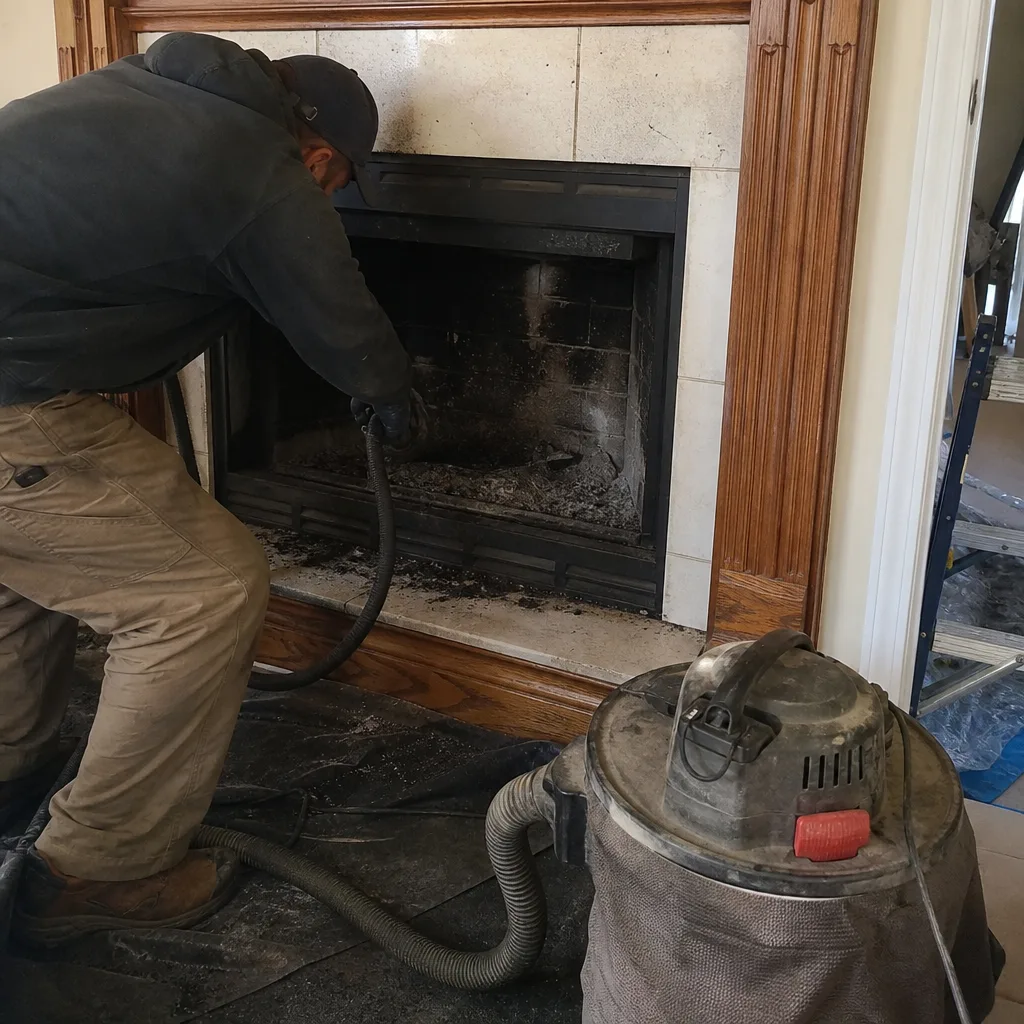 Before
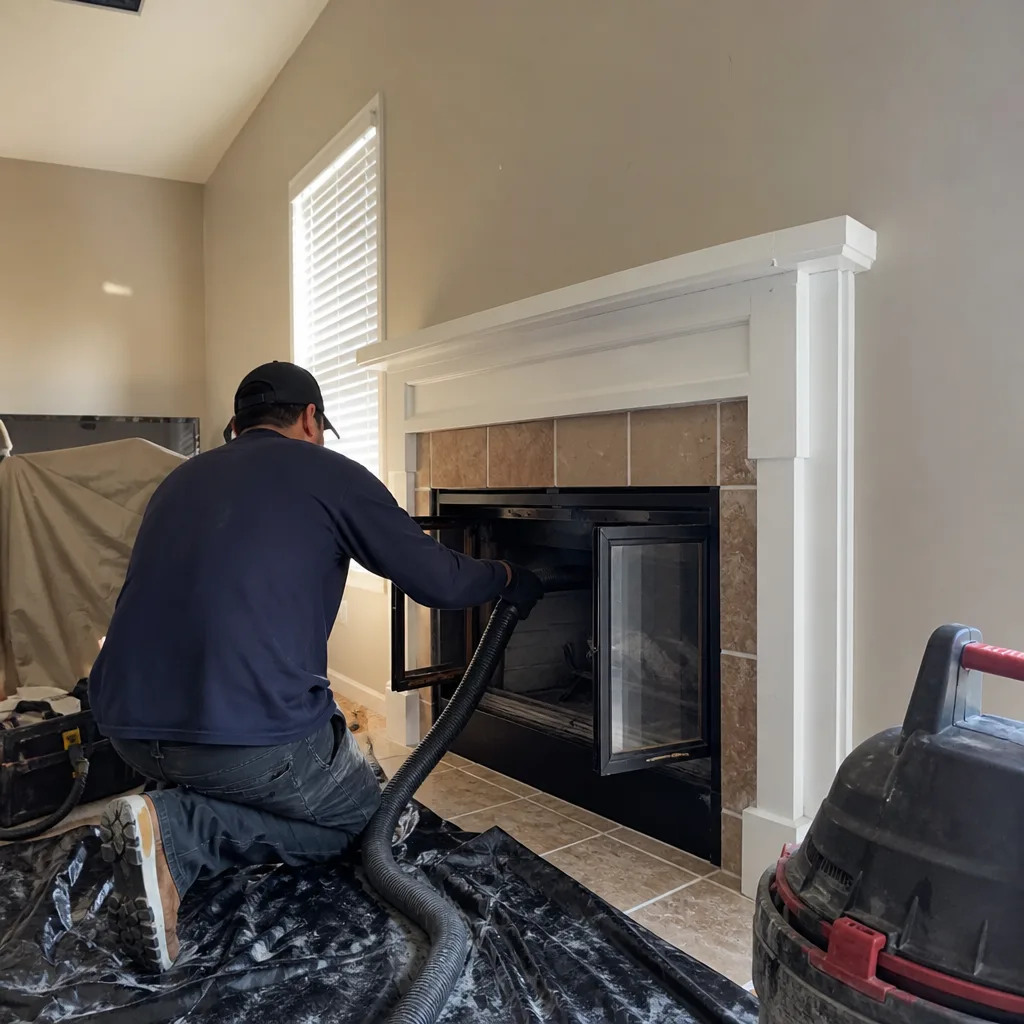 After
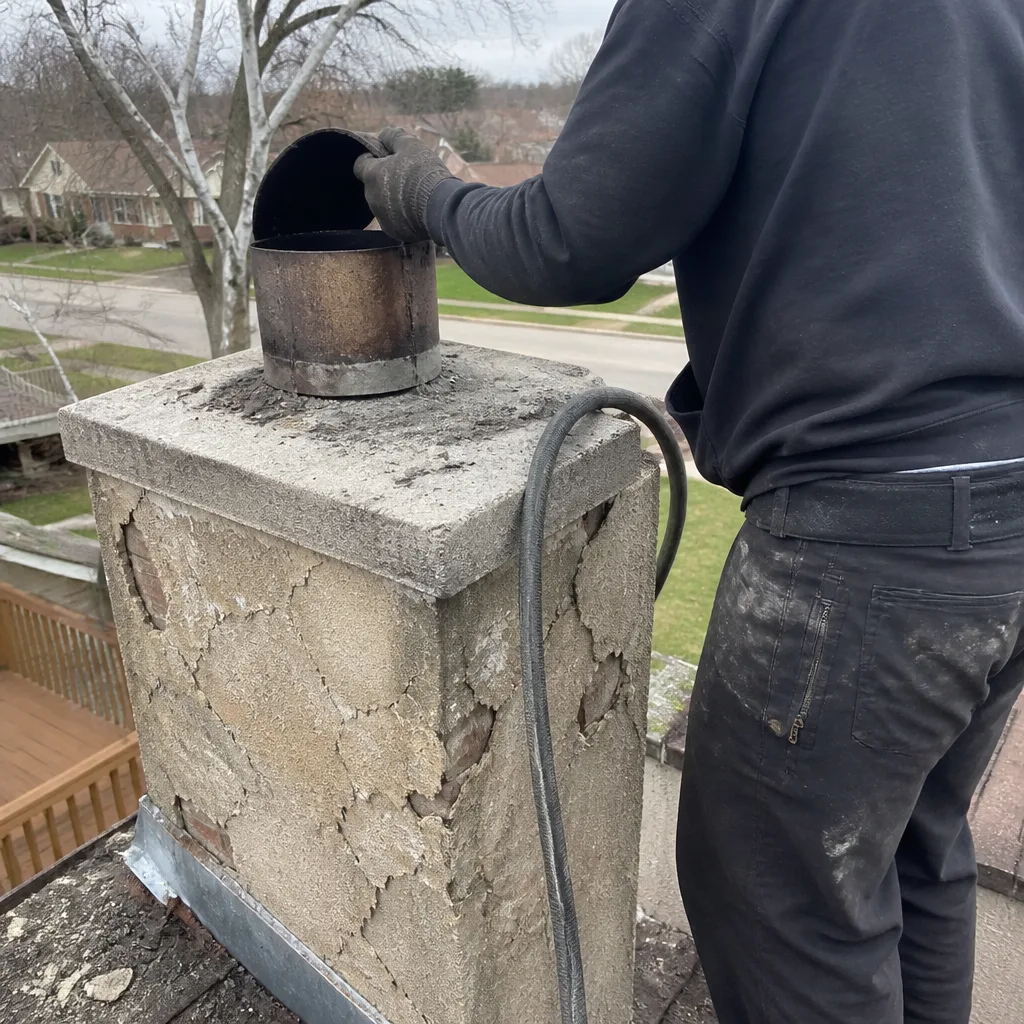 Before
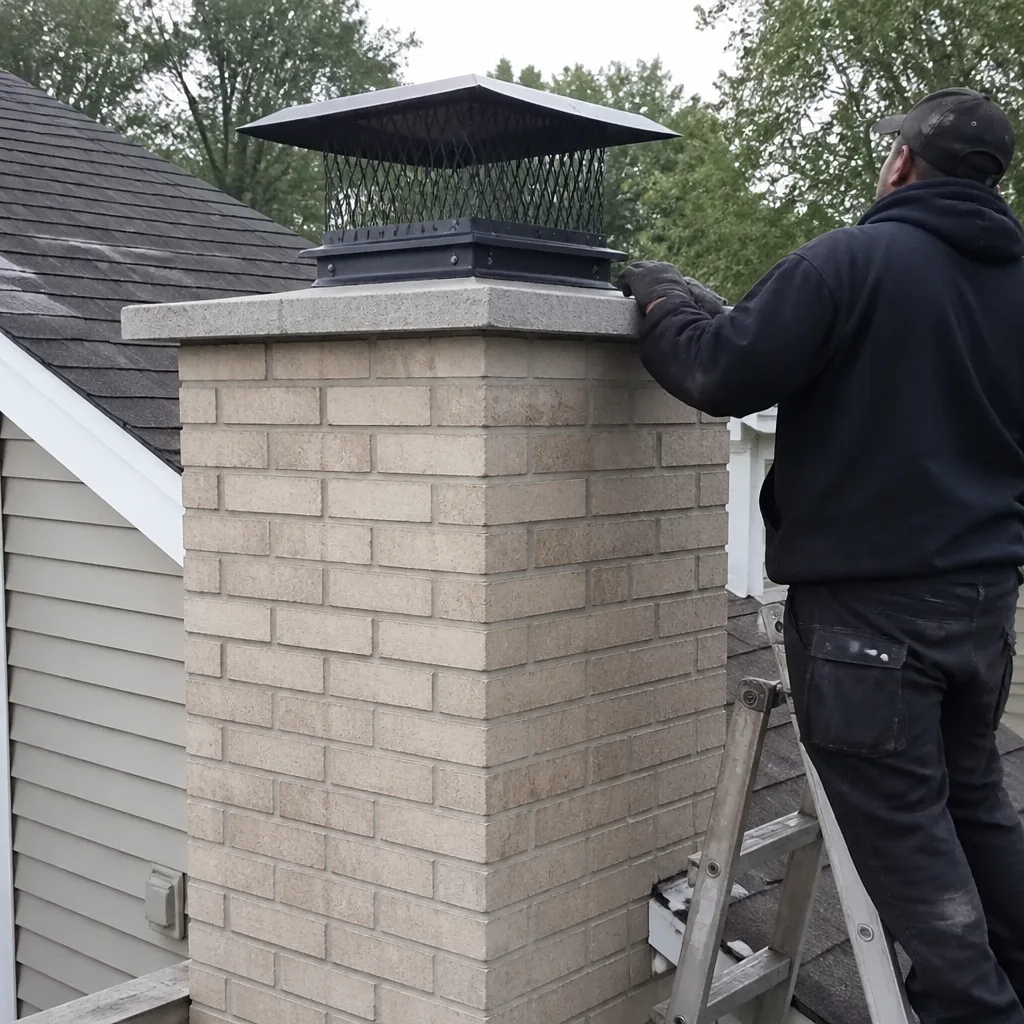 After
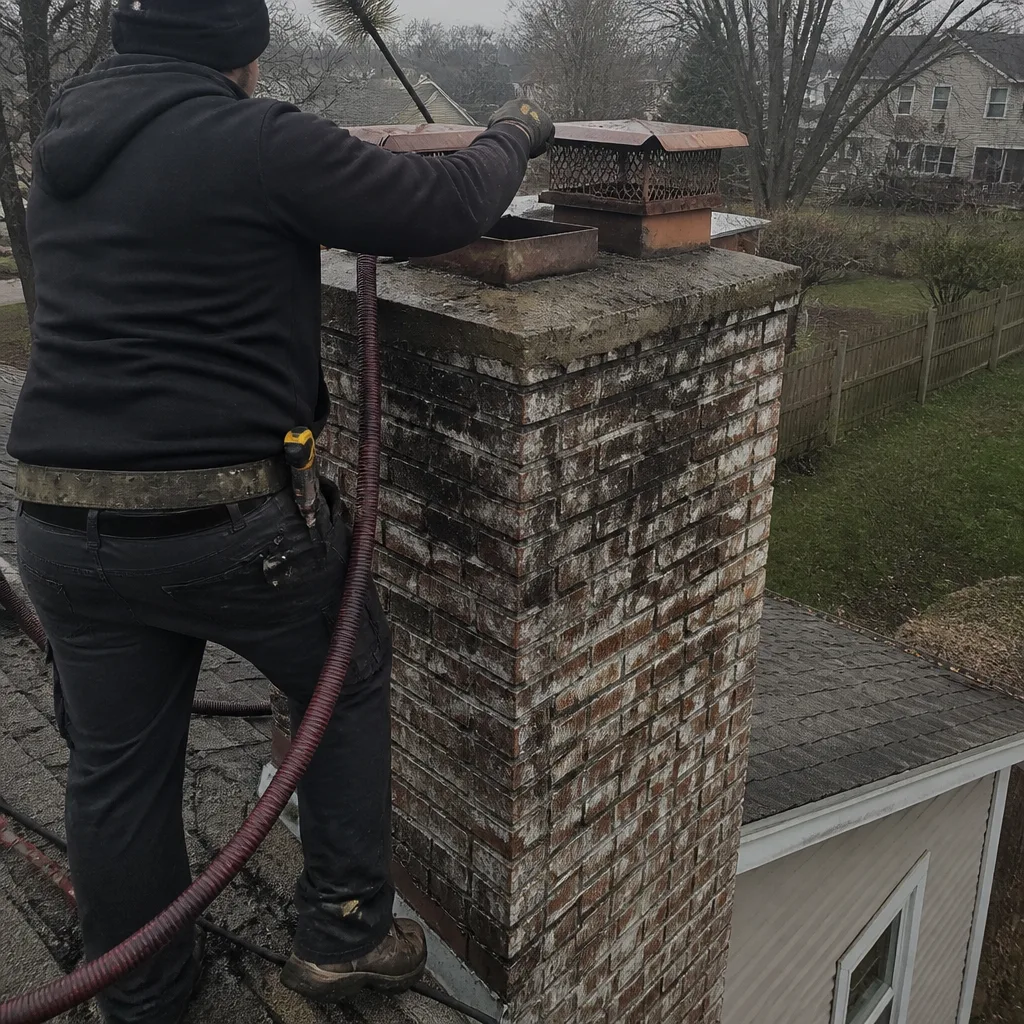 Before
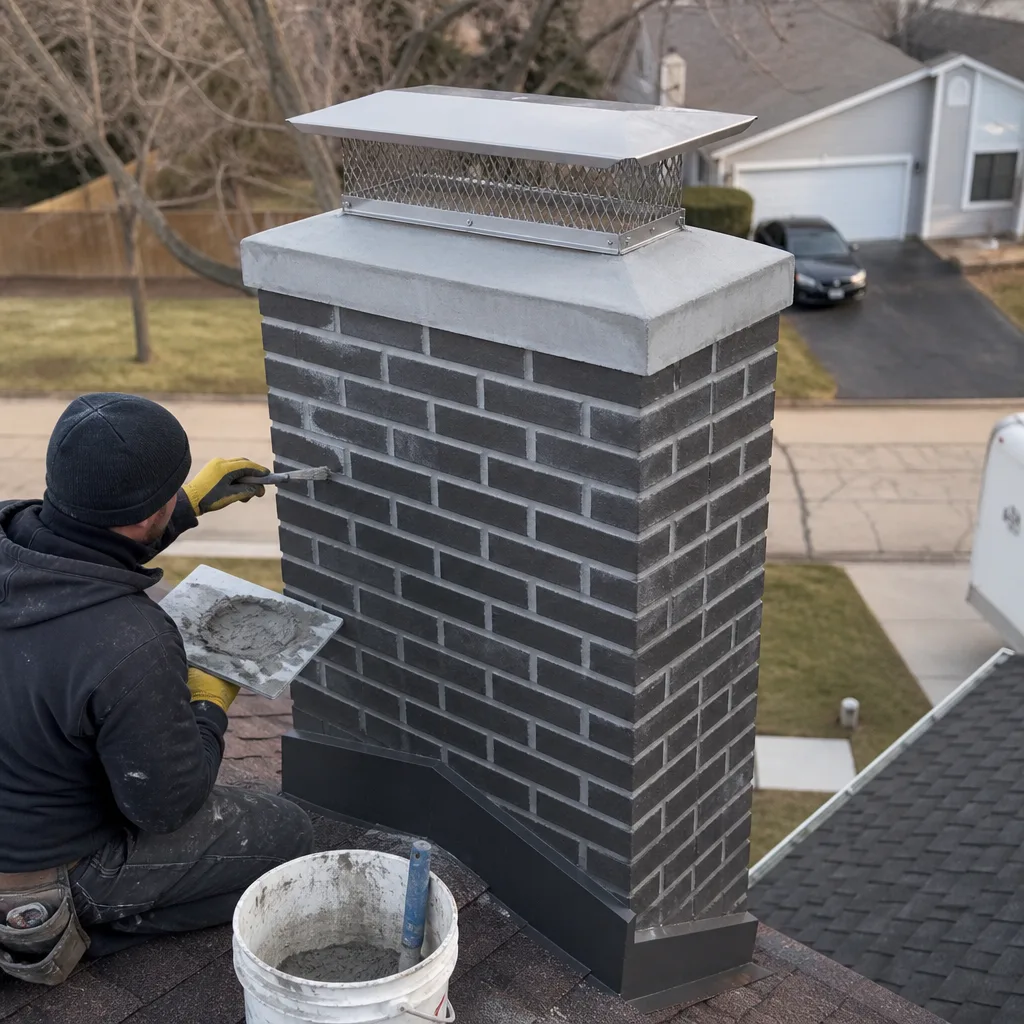 After
HeatShield Products We Service & Install in Bolingbrook
We work with the full HeatShield chimney restoration line: Firebox Restoration for spalled firebox interiors, Smoke Chamber Repair for parged corbeled chambers, Crown Coat for resurfaced and rebuilt crowns, and Flue Sealant for mortar-joint and crack sealing through the flue. We also handle HeatShield service in Woodridge, and we stock the common material quantities for typical Bolingbrook fireboxes and chambers, and we order job-specific quantities when the scope calls for it. If you’ve got an existing HeatShield application that’s cracking or delaminating, we’ll diagnose whether it was a prep failure, a substrate failure, or simply age, and tell you what repair looks like.
We Also Service These Brands
HeatShield restores masonry that’s already in place. When a Bolingbrook chimney needs a new liner system instead, we install DuraFlex flexible liners for older or offset chimneys, and we use Gelco products for caps, chase covers, and other sheet-metal work where the job calls for it. We carry what the job actually needs, not whatever fits in the van.
FAQs – HeatShield Chimney Cleaning Service in Bolingbrook
HeatShield is a real refractory mortar system, not paint. It’s a cementitious material that bonds to prepared masonry, cures to a hard surface, and withstands the thermal cycling of a working fireplace. A firebox paint or thin coating is cosmetic and fails quickly under direct flame. HeatShield restores the firebox surface so it can take heat again, but it only performs when the substrate is properly prepped and the material is applied at the correct thickness. If someone tells you HeatShield is “like paint for your firebox,” they don’t understand the product.
No. HeatShield smoke chamber parging compound will not bond to glazed creosote. The glaze has to be chemically degreased and manually removed before any refractory material goes on. In Bolingbrook homes that have burned wood for decades, the smoke chamber often has a hard, glassy creosote layer that resists scraping. We break that down with a chemical degreaser first, then remove what’s loosened, then trowel the HeatShield. Skipping that step is the most common reason HeatShield delaminates after one season, and we see it on jobs where someone rushed the prep.
It depends on how much sound brick is left. HeatShield bonds to a clean, stable masonry surface. If the brick faces are popping but the brick bodies behind them are still solid, we can mechanically prep the surface back to sound substrate and trowel the HeatShield over it. If the brick has lost so much material that the firebox wall is compromised, or the brick is loose enough to move under hand pressure, HeatShield will not save it and we’ll tell you a rebuild is the honest fix. We don’t coat fireboxes that are structurally gone. Call (855) 382-3714 and we’ll assess the brick before recommending anything.
We use HeatShield Crown Coat when the crown has been repaired or rebuilt to a sound state first. A crown that’s already cracked and settled will crack through any coating within a year, because the coating bridges the voids rather than fixing them. In Bolingbrook, where freeze-thaw cycles work on crowns all winter, we often rebuild or re-point the crown substrate, then apply Crown Coat as the finished refractory surface. If the crown has lost too much mass, we pour a new crown and coat that.
Often, yes, when the smoke issue is caused by a degraded firebox or an offset, glazed smoke chamber rather than a blocked flue. A spalled firebox and a glazed chamber disrupt airflow and stall the draft before it reaches the flue. Once we restore the firebox and smoke chamber surfaces with HeatShield, the draft picks back up and the smoke stops spilling into the room. The catch is that HeatShield only addresses the surfaces, not a collapsed flue liner or a blocked flue. A HeatShield service in Naperville homeowner called us after a 1990s wood-burning fireplace started smoking into the room. Our tech found a badly spalled firebox with eroded joints and a glazed, offset smoke chamber. We swept and chemically degreased the chamber, mechanically prepped the firebox brick back to sound substrate, then hand-troweled HeatShield firebox and smoke-chamber material. The smoke issue disappeared that same visit. If your fireplace is smoking, call (855) 382-3714 before you assume the flue is blocked.
HeatShield restoration cost depends entirely on what’s being restored and how much prep the substrate needs. A firebox resurfacing on a typical Bolingbrook split-level fireplace runs roughly half to two-thirds of what a full firebox rebuild would cost, but the actual number shifts based on square footage, prep time, and whether the smoke chamber and crown also need work. A simple HeatShield smoke chamber parge on a clean chamber costs less than a full firebox restoration. The only way to get an accurate figure is to have us inspect the firebox and chamber in person. Call (855) 382-3714 for a free estimate, and we’ll show you exactly what you’re paying for.
Book Your HeatShield Service in Bolingbrook, IL
If your Bolingbrook firebox is spalling, your smoke chamber is glazed, or your crown is cracked and you want to know whether HeatShield can restore it or you need a rebuild, we’ll give you a straight answer. Call (855) 382-3714 for a free estimate, and Norm will put eyes on the masonry before anyone picks up a trowel.
Written by Norm Bledsoe, Owner at Summit Peak Chimney Sweep, serving Bolingbrook since 2015.